Update 29 Oct 2026, 20:36 UTC:
Wallenius Wilhelmsen has announced an expansion of its fleet renewal program, evidenced by the order of up to 12 dual-fuel car carriers. The transaction, with a projected value of around $1.5 billion, consists of an initial order for four new pure car and truck carriers (PCTCs) with options for eight additional vessels. Deliveries are slated to begin in mid-2030.
The Order Details
The agreement has been reached with Jinling Shipyard (Jiangsu) for the construction of vessels designed to accommodate a total of 9,900 car-equivalent units (CEUs). In addition to the four confirmed orders expected in 2030, Wallenius Wilhelmsen has options for further deliveries in 2031 and 2032 that could significantly enhance its operational capacity.

Strategic Fleet Expansion
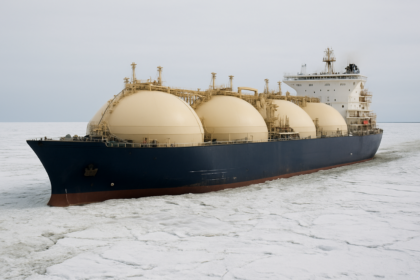
The newly ordered vessels will be equipped with dual-fuel LNG engines and built according to Wallenius Wilhelmsen’s Shaper Class design, known for its innovative features such as hoistable decks, heavy-duty ramps, and cargo spaces that can adapt to various rolling equipment, including passenger vehicles and trucks. This strategic move is part of a broader initiative that aims to renew 26 vessels in total, emphasizing the company’s commitment to maintaining flexibility and operational efficiency as it prepares for projected demand in the upcoming decades.
Xavier Leroi, chief operating officer of shipping services, highlighted the advantages this expansion will provide for the company’s customer base, ensuring adequate maritime capacity and operational readiness aligns with market trends. The dual-fuel LNG propulsion system is expected to reduce emissions when compared to conventional marine fuels, contributing to the company’s sustainability goals while adapting to changing regulatory frameworks.
Market Implications
This order follows a recent private placement aimed at securing long-term capital for fleet enhancements. With a current fleet of approximately 130 vessels operating across 15 trade routes, Wallenius Wilhelmsen is strategically positioning itself to respond effectively to evolving demands in the automotive and heavy-duty equipment sectors.
The evolution toward alternative-fuel capabilities reflects broader industry trends focused on reducing carbon footprints. Although LNG is recognized for its potential to lower certain emissions, continuous monitoring of methane emissions from the fuel and its sourcing will remain critical in evaluating overall environmental impact.
Behind the Headline
The expansion of Wallenius Wilhelmsen’s fleet through the order of LNG-powered vessels highlights significant trends in the maritime industry. As demand for flexible and efficient shipping solutions grows, the investment in dual-fuel technology positions the company to meet future challenges. Ship operators must stay alert to emerging market dynamics and regulatory changes surrounding emissions and fuel alternatives. The global shipping landscape will likely witness an increase in newbuilding programs focused on sustainability, making it essential for operators to adapt swiftly to maintain competitive advantages and operational efficiency.