The ongoing conflict surrounding the Strait of Hormuz has intensified, with the United States confirming actions against Iranian state tankers as part of a reprisal against aggression targeting commercial shipping operations.
Recent Developments
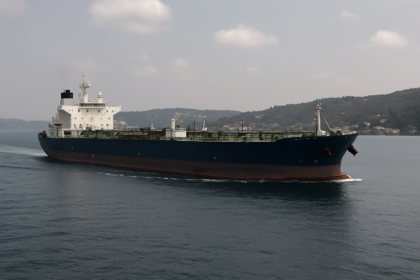
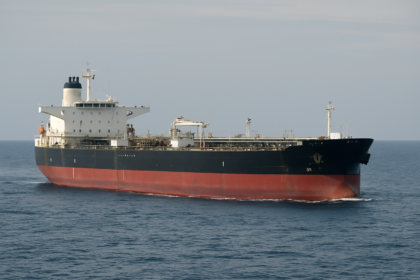
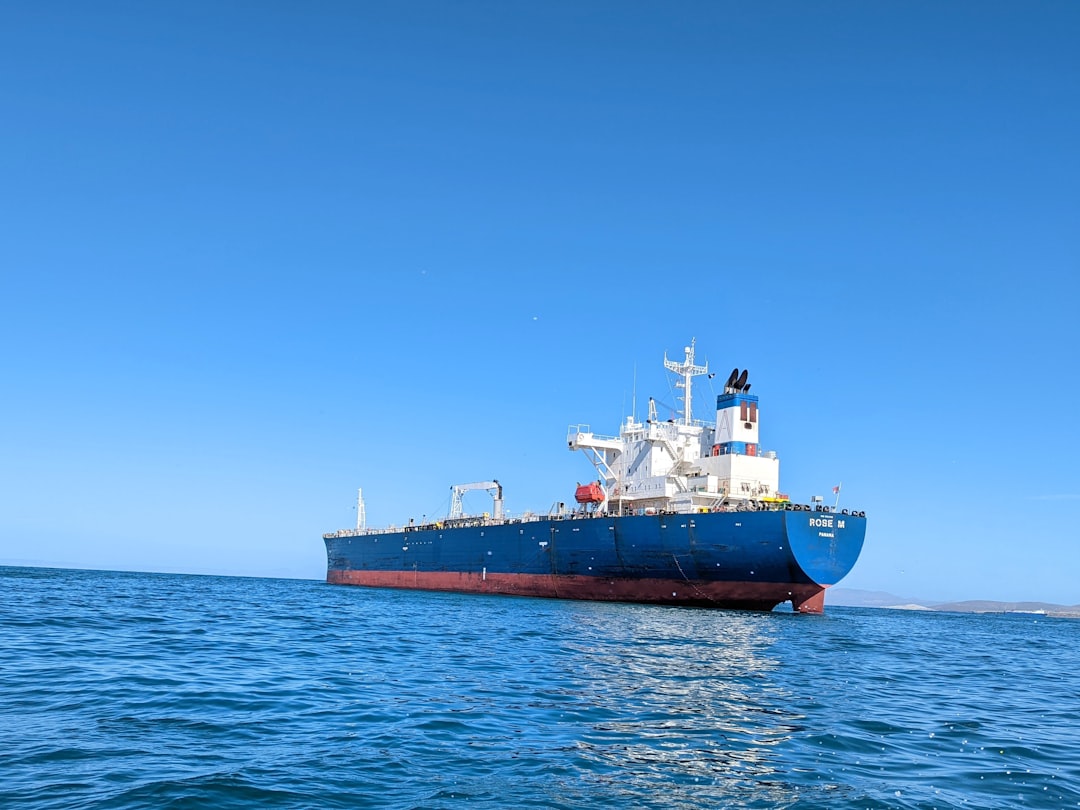
The US military response includes targeting Iranian vessels following documented assaults on commercial tankers in the region. Notably, the Korean-controlled vessel Senegal Prosperity, capable of carrying 320,780 dwt, has been abandoned after being struck by three projectiles, now listing off the coast of Oman. The implications of these developments spotlight the rising stakes for maritime operators transiting this critical area.
Market Implications
The Strait of Hormuz is vital for transporting a significant share of the world’s oil supply, making the security issues particularly alarming for shipping stakeholders. With the escalation of military actions, operators face increased risks and potentially higher insurance premiums, influencing overall trade costs. Operators might reconsider navigation strategies to minimize exposure to conflict states, with implications for trade durations and laytime calculations.

Global Reactions
Global shipping companies and organizations are closely monitoring the evolving scenario, as the threat to commercial shipping could disrupt freight rates and market confidence in oil transit. Continuous reassessment of operations is essential for mitigating risks associated with this volatile environment, with some companies already signaling adjustments in their trading patterns.
Behind the Headline
The escalation of military engagements in the Strait of Hormuz underlines a critical junction for maritime operations, especially for those handling vulnerabilities associated with geopolitical tensions. For shipping lines and charterers, adapting to such rapid changes is paramount, as the risk of demurrage and operational disruptions looms large. Attention must also turn to implications for future trade agreements and potential sanctions that could further limit operational flexibility in this vital region.