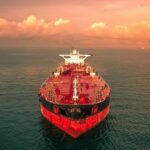
Himalaya Shipping has secured a long-term charter for its dual-fuel LNG Newcastlemax vessel, Mount Ita, extending its operational capabilities in the dry bulk sector. The agreement is set to last for up to 23.5 months, commencing on March 1, 2027, positioning the company to better navigate the evolving maritime market.
Details of the Charter
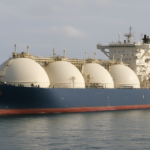
The Mount Ita, boasting a deadweight tonnage of 210,000 dwt, has been fixed to a long-term contract, reinforcing Himalaya’s commitment to maintaining a modern and efficient fleet. This charter arrangement is expected to provide consistent revenue flow while optimizing the utilization of the vessel in a highly competitive shipping market.
Market Implications
Securing a long-term charter for the Mount Ita is indicative of Himalaya Shipping’s proactive approach to market fluctuations and demands. By locking in contract terms well in advance, the company mitigates risks associated with short-term volatility in charter rates and ensures operational stability. The focus on LNG dual-fuel technology also reflects the industry’s shift towards greener solutions, aligning with increasing regulatory pressure for emissions reductions.

Behind the Headline
This latest charter for Mount Ita illustrates a significant trend towards long-term planning in the shipping industry, where operators are increasingly focused on stable income streams amid fluctuating freight rates. For Himalaya Shipping, this strategy not only enhances immediate financial health but also positions the company favorably within a market that values eco-friendly vessels. As the shipping sector continues to grapple with decarbonization challenges, the commitment to dual-fuel technology will likely serve as a competitive advantage. Stakeholders should monitor the developments of LNG supply and demand, as these factors will influence operational costs and chartering strategies moving forward.