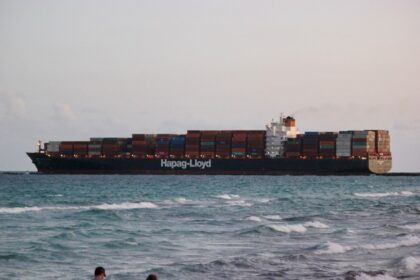



New regulations set by the International Maritime Organization (IMO) are poised to transform the approach to pilot transfer safety, shifting the focus from rigging practices to the structural requirements of vessels. This change is expected to compel ship owners to make substantial modifications to ensure compliance by upcoming deadlines.
The Regulatory Shift
Historically, pilot ladder safety was primarily viewed through the lens of rigging; the emphasis was placed on how effectively the ladders were deployed and secured by the crew. The new regulations introduce a paradigm shift that mandates compliance based on the design and construction of vessels themselves. As per the IMO’s recommendations, ships must be equipped with ladders that adhere to stricter design specifications to ensure the safety of pilots during transfer operations.

Implications for Ship Owners
This regulatory update presents a significant challenge for ship owners. Many vessels currently in service were not built with these enhanced design standards in mind, potentially leading to the necessity for costly retrofitting and modifications. Owners are urged to assess their fleets regarding compliance with these new requirements, which may involve redesigning existing systems or even undertaking new builds.


Pressure to Comply
Compliance deadlines for these regulations are approaching, adding urgency to the need for ship owners to act. The transition to a design-based compliance model underscores the broader trend towards enhancing safety in maritime operations. Non-compliance could lead not only to fines but also to operational delays and increased liabilities.
Why It Matters
The implementation of these stringent pilot ladder regulations reflects a heightened commitment to safety in maritime operations, recognizing the risks associated with pilot transfers. For operators, this means a deep reevaluation of both existing vessels and future projects. As compliance deadlines loom, proactive measures will be essential to avoid disruptions in operations. All stakeholders, from regulatory bodies to shipbuilders and owners, must adapt swiftly to align with evolving safety standards that ultimately aim to reduce accidents and enhance vessel performance on a global scale.