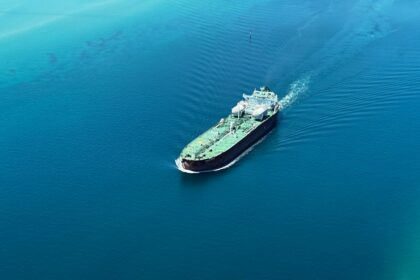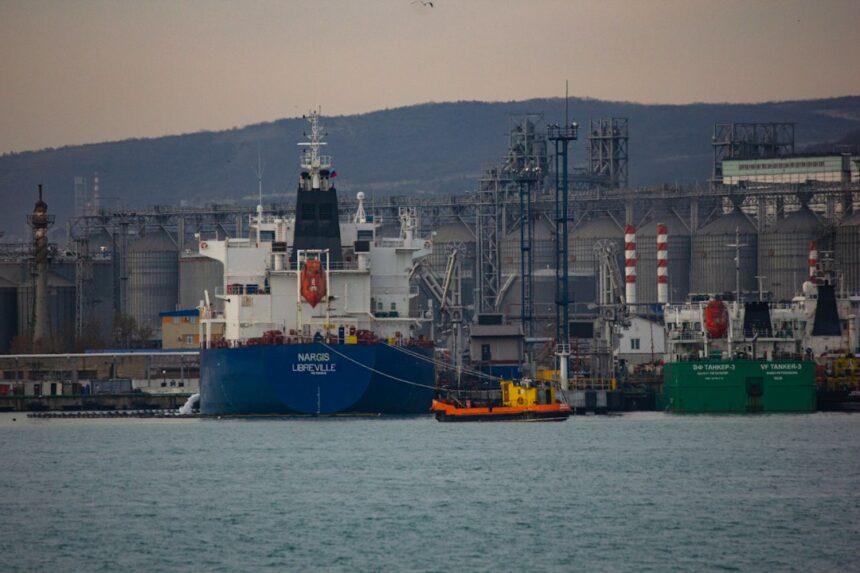
On October 13, the Japanese Cabinet approved significant measures to bolster the nation’s protection and indemnity (P&I) insurance framework for the maritime transport of crude oil, liquefied natural gas (LNG), and petroleum products. This proactive legislative shift comes amid escalating geopolitical tensions in the Middle East, which have raised concerns about Japan’s energy security.
Expanded Insurance Coverage
The initiative, highlighted by a senior official from the Ministry of Economy, Trade and Industry (METI), involves revisions to existing maritime law to broaden the scope of insurance coverage. Previously limited to crude oil, the updated regulations will now encompass liquefied natural gas and a range of petroleum products, including naphtha. This expansion is aimed at providing enhanced protection for shipping companies operating under the new realities of global energy markets.
Recognizing the potential gaps in marine insurance, particularly in cases where reinsurance from foreign entities may no longer be available, the government is establishing mechanisms that will allow for partial compensation of claims on hull and cargo insurance. By targeting non-life insurance companies, the initiative strives to create a safety net that ensures the uninterrupted shipment of vital energy resources.

Strategic Frameworks and Historical Context
This approach is a continuation of Japan’s efforts to secure its energy supply chain amid shifting global dynamics. The Cabinet also approved additional bills aimed at rationalizing the use of designated sea lanes for more effective energy transport and securing the fulfillment of specified cargo and hull insurance contracts. This legislative suite is rooted in Japan’s previous efforts in 2012 to create a sovereign guarantee for P&I cover pertinent to tankers carrying Iranian oil, underscoring the ongoing evolution of maritime regulations in response to international sanctions and changing market conditions.
METI Minister Ryosei Akazawa emphasized the necessity of diversifying energy sources to enhance stability in procurement processes. “In light of structural changes happening globally, it is crucial to strengthen the resilience of Japan’s energy supply and demand structure,” he noted.
Why It Matters
The expansion of insurance cover for maritime transport of crude oil, LNG, and petroleum products signals a significant shift in Japan’s approach to energy security. By addressing potential shortfalls in reinsurance coverage and modifying existing laws, Japan aims to avert disruptions in energy shipments. This legislation will have direct implications for shipping operators, who will be assured of financial support even in volatile conditions. As geopolitical tensions continue to evolve, stakeholders in the maritime and energy sectors should closely monitor these developments, as they may influence future shipping routes and insurance models within the region.