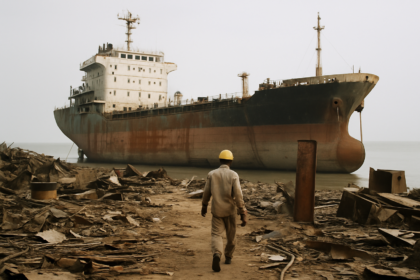
Seven workers have tragically lost their lives following a toxic gas leak at Ferdous Steel Ship Recycling Industries in Bhatiyari, Sitakunda, Bangladesh. The accident occurred on Friday morning, with reports indicating that two workers died at the scene before others succumbed to the effects of the toxic exposure.
Background of the Incident
The Ferdous Steel facility is recognized as one of the ship recycling yards authorized under the International Maritime Organization’s (IMO) Hong Kong Convention, which aims to ensure safe and environmentally sound recycling of ships. However, this incident starkly highlights the persistent safety challenges faced by workers in the shipbreaking industry, particularly in Bangladesh, which is known for its extensive ship recycling operations.
Regulatory Context
Despite being registered under an international safety protocol, the latest tragedy underscores potential shortcomings in the environmental and workplace safety measures implemented at such facilities. The local news agency, UNB, has reported ongoing investigations to determine the specific cause of the gas leak and the circumstances surrounding the deaths. This event may prompt a review of enforcement mechanisms regarding safety protocols within ship recycling yards.

Industry Implications
Shipbreaking in Bangladesh contributes significantly to the country’s economy; however, it is often accompanied by inadequate safety standards, which have led to numerous accidents over the years. The latest loss of life calls for an urgent reassessment of operational protocols and safety compliance among ship recycling facilities. Stakeholders within the maritime industry should heed these developments as they reflect the broader challenges of ensuring safe working conditions for all personnel involved in ship dismantling.
Why It Matters
The fatalities at Ferdous Steel Ship Recycling Industries illustrate the critical need for enhanced safety regulations and compliance within the shipbreaking sector. For operators and stakeholders in the maritime supply chain, this incident may lead to increased scrutiny of existing practices, fostering a more rigorous approach to safety and worker health. The international community, particularly regulatory bodies, must advocate for more robust oversight to prevent recurrence of such tragedies and to ensure that revenue-generating operations do not compromise human life. Future monitoring and enforcement will be essential to adhere to international safety standards and protect workers in this vital industry.