Update 15 Oct 2026, 16:32 UTC:
The United Kingdom has intensified its sanctions against Russia’s oil industry, targeting two notable energy companies, several shadow-fleet tankers, and various financial networks as part of a broader strategy to curb Russia’s oil revenues.
Announced on October 8, this expansion of sanctions includes measures against Zarubezhneft and INK Capital, effectively bringing over 90% of Russia’s oil production capacity under British restrictions. The UK government highlights that these actions are designed not only to restrict revenue but also to complicate the operations of sanctioned producers attempting to sell crude oil through unlisted companies.

The Current Sanctions Landscape
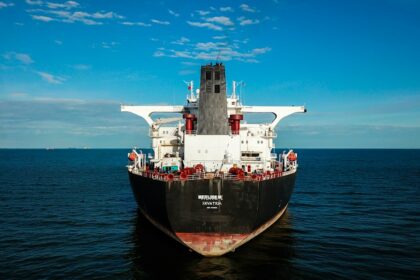
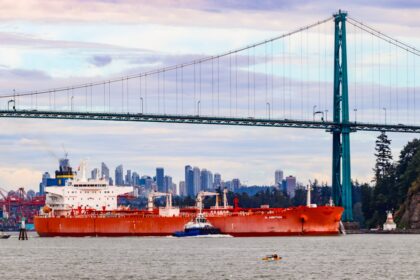
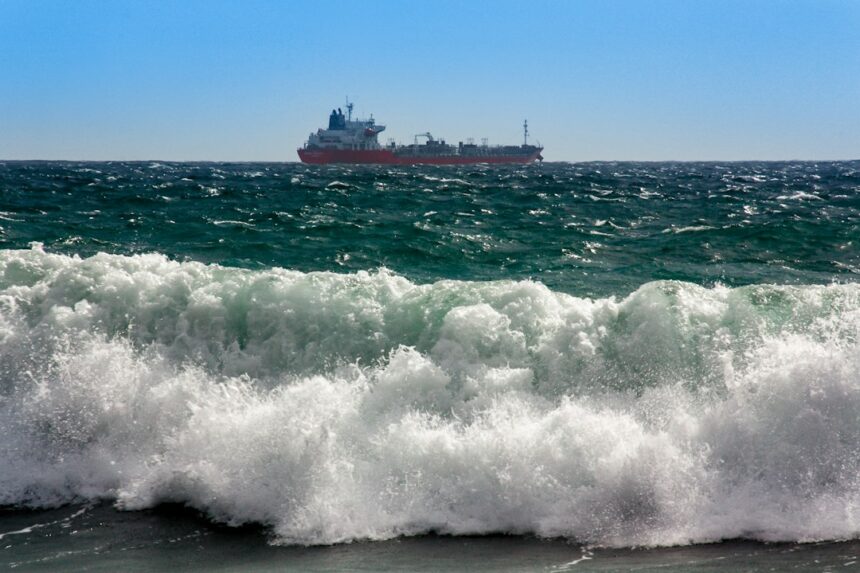
This latest sanctions package includes 12 shadow-fleet tankers that have evaded previous restrictions, raising the total number of sanctioned vessels associated with Russia to more than 600. Among the newly designated vessels is the Dakar, a 22-year-old product tanker currently navigating the Northern Sea Route to serve Asian energy markets.
The UK government provides a clear assertion: while their sanctions cover a significant portion of production capacity, this does not correlate with an equivalent reduction in actual production. Adaptations and evasive measures are evident as Russian oil continues to flow into international markets despite Western restrictions.
Implications for Global Trade
Alongside the shipping measures, the sanctions also target the financial framework aiding Russia’s sanctions evasion efforts. The package identifies three cryptocurrency exchanges, two payment platforms, and numerous individuals linked to significant financial transactions, including a network that reportedly facilitated over $90 billion in transactions last year—an amount equating to a substantial share of Russia’s annual military expenditure.
The recent sanctions expansion is particularly impactful against the backdrop of a volatile global tanker market, where rising freight rates have been attributed to ongoing conflicts in the Middle East. The considerations from Washington regarding the potential easing of restrictions on previously sanctioned tankers to address high freight costs further complicate this situation.
The Operational Read
The operational landscape within the maritime industry is reshaping under the weight of UK sanctions against Russian oil. For shipping operators, the expanded restrictions necessitate greater scrutiny of vessels and cargo origins to avoid unintentional breaches of compliance. With more than 600 vessels now flagged, operators must enhance their due diligence in cargo sourcing, potentially leading to increased operational costs and longer lead times for securing compliant tonnage. Additionally, the appetite for risk in the tanker market will be closely monitored as geopolitical tensions and fluctuating freight rates could further influence shipping routes and operational strategies. Adapting to this new reality remains critical for stakeholders navigating the complexities of global oil logistics.