Update 09 Oct 2026, 14:36 UTC:
Hurricane Isaias has intensified into a major Category 3 hurricane with sustained winds reaching 120 mph, posing a serious threat to life and offshore operations in the northern Gulf Coast. The National Hurricane Center confirmed the upgrade on Friday morning based on data from an Air Force Reserve Hurricane Hunter aircraft, which reported maximum winds and a minimum central pressure of 959 millibars.
The storm was located approximately 240 miles south of Pensacola, Florida, and is moving north-northeast at 15 mph. It is forecasted to make landfall later Friday night or early Saturday. This development has triggered alarm among offshore energy producers, who have already shut down around two-thirds of oil production in the Gulf of Mexico and evacuated personnel from numerous facilities.


Operational Impact on Offshore Energy
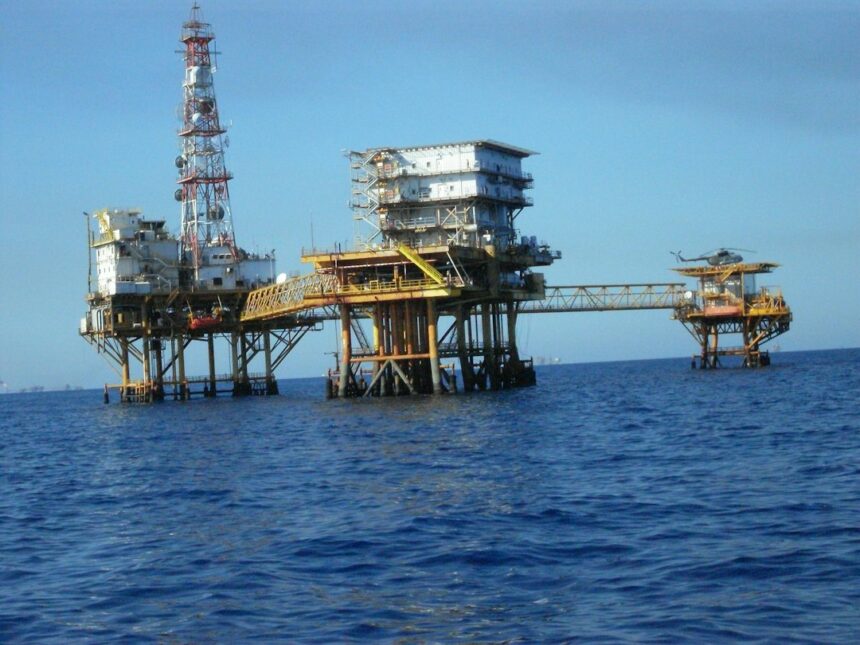
As of Thursday, the Bureau of Safety and Environmental Enforcement stated that roughly 62.9% of oil production in the Gulf, equivalent to 1.28 million barrels per day, has been shut in due to the approaching storm. Additionally, natural gas production has also faced a significant reduction of 57.4%. The evacuations encompass 121 production platforms, which is nearly one-third of the Gulf’s total of 371 manned facilities, and five drilling rigs have been evacuated from their locations. Four dynamically positioned rigs have also repositioned away from the threat zone.
Major offshore energy companies, including Shell, Chevron, and BP, have taken precautionary measures by halting operations and evacuating workers from platforms in the storm’s trajectory. The cascading effects from these production losses are anticipated to exert additional pressure on global oil markets, which are already grappling with shipment disruptions through critical routes such as the Strait of Hormuz amid rising tensions in the Middle East.
Storm Surge Risks and Preparations
The National Hurricane Center continues to issue warnings for potentially severe coastal impacts. A hurricane warning is currently in effect from Ocean Springs, Mississippi, to the Bay/Gulf County line in Florida, while a storm surge warning extends from the mouth of the Mississippi River to the Suwannee River in Florida. Areas along the Alabama-Florida border eastward to Grayton Beach are expected to face the greatest risk for storm surges, with projected water levels reaching 6 to 9 feet above normally dry ground. Other parts of the northern Gulf Coast could experience storm surges of 3 to 7 feet.
Adding to the hazards, hurricane-force winds extend outward up to 30 miles from the center, and tropical-storm-force winds reach as far as 185 miles, creating dangerous conditions across a wide area. Additionally, forecasters predict rainfall amounts of 4 to 8 inches across southern Alabama, the Florida Panhandle, Florida’s Big Bend region, and southwest Georgia, with some localized areas potentially receiving up to 15 inches. The NHC has urged residents in affected areas to finalize hurricane preparations as conditions are expected to worsen throughout Friday.
Behind the Headline
The operational implications of Hurricane Isaias are profound for the offshore oil and gas sector in the Gulf of Mexico. With a substantial portion of production already curtailed, energy companies face not only immediate risks from the storm but also long-term ramifications for supply chains and market stability. This incident highlights the vulnerability of energy infrastructure in the face of severe weather events, underscoring the importance of robust emergency preparedness and response strategies. Continuous monitoring of storm behavior and evaluated readiness for reactivation of production will be essential as the situation evolves.