The availability of bunker fuel across Europe and Africa has tightened significantly, impacting shipping operations and supply chain efficiencies. According to recent data, fuel availability in the Amsterdam-Rotterdam-Antwerp (ARA) region remains constrained, with traders advising buyers to allow 5-7 days for prompt supplies. Insights Global data indicates that ARA’s independently held fuel oil stocks have averaged 5% higher in August compared to the previous month.
Import Trends and Regional Supply
For the ARA region, fuel oil imports have surged to 381,000 barrels per day (b/d) as of mid-August, a significant increase from July’s average of 159,000 b/d. Key sources of this influx include Venezuela (21%), Benin (20%), and Lithuania (10%). Concurrently, the region has imported 129,000 b/d of gasoil by the same date, rising from 119,000 b/d in June, primarily sourced from the United States (26%), the United Kingdom (11%), and France (8%).
In Germany’s Hamburg, fuel availability remains stable, yet buyers are advised to provide five days’ notice for delivery across all fuel grades. In contrast, the situation in Sweden’s Gothenburg and off Denmark’s Skaw prompts longer lead times of 10-14 days due to limited supplier coverage.

Market Conditions in the Mediterranean and Africa
In the Mediterranean, the Gibraltar Strait ports have escalated in demand, with traders recommending lead times of 7-10 days for reliable delivery coverage. Around 12 vessels were reported queuing for bunkering as of Wednesday morning. Spain’s Barcelona allows for supply procurement with at least a seven-day notice, but Las Palmas is also grappling with tight fuel availability, pushing delivery times out by approximately 10 days.
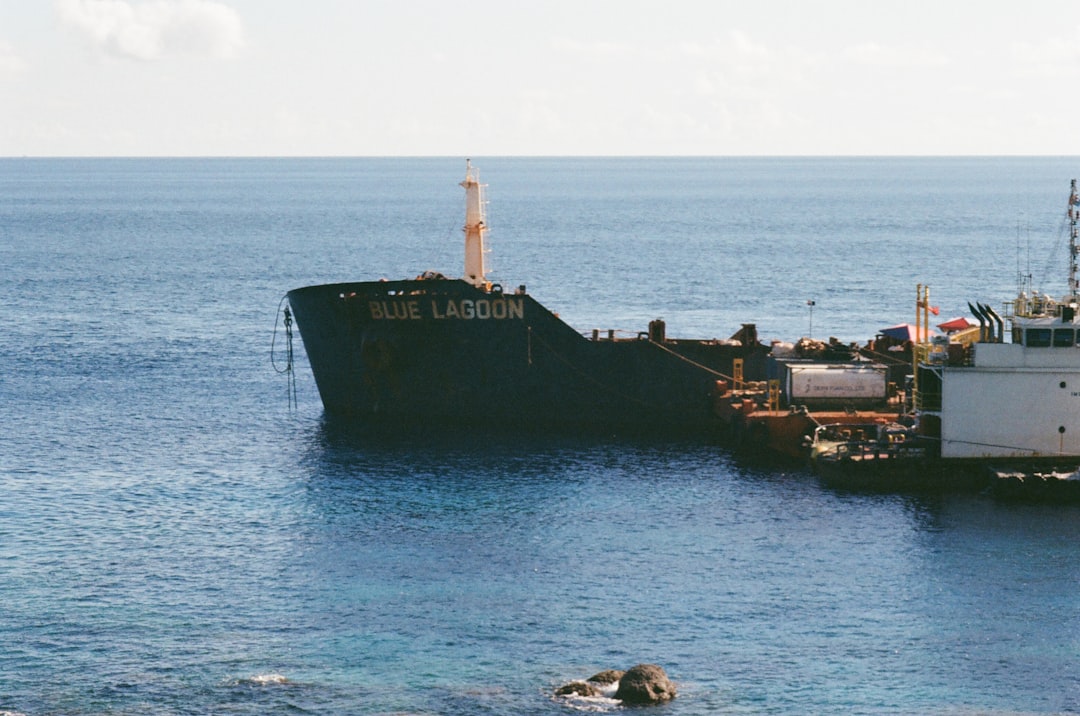
In Africa, the Senegalese port of Dakar has good availability for VLSFO and LSMGO, contrasting with the limitations experienced in Togo’s Lome, where buyers are facing tight supplies of both fuel grades. Furthermore, Walvis Bay in Namibia has a 5-7 day lead time for deliveries, a timeframe compounded by ongoing weather issues that could hinder offshore operations. VLSFO deliveries in the Lagos anchorage similarly necessitate a lead time of 5-7 days.
Meanwhile, Angola’s Luanda indicates a lead time of 4-5 days for VLSFO and LSMGO supplies, while Algoa Bay also reports tight availability that requires at least a week’s notice. Notably, Port Louis in Mauritius is experiencing severe supply constraints, with delivery dates being quoted for September at the earliest.
Behind the Headline
The tightening of bunker fuel availability in Europe and Africa illustrates challenges facing the maritime fuel supply chain. Increasing lead times of 5-14 days across various ports can significantly impact operational schedules for vessels. Operators must strategize their bunkering plans to mitigate risks of delays and interruptions. The rise in fuel imports into ARA plays a vital role in balancing supply and demand dynamics, although fluctuations and external factors such as weather conditions may further complicate these logistics. Stakeholders should closely monitor evolving market conditions to adapt their operational strategies accordingly.