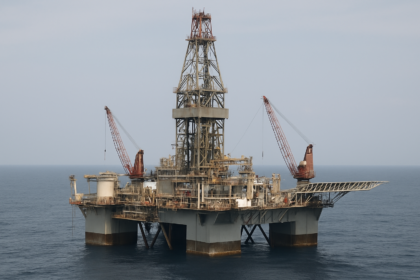
The U.S. Department of the Interior has completed its first-ever offshore lease auction for critical minerals, signaling a significant policy shift aimed at strengthening domestic mineral supply chains. The auction, held on Thursday, resulted in over $6 million in high bids for more than 31.5 million acres of seabed off American Samoa.
Details of the Lease Sale
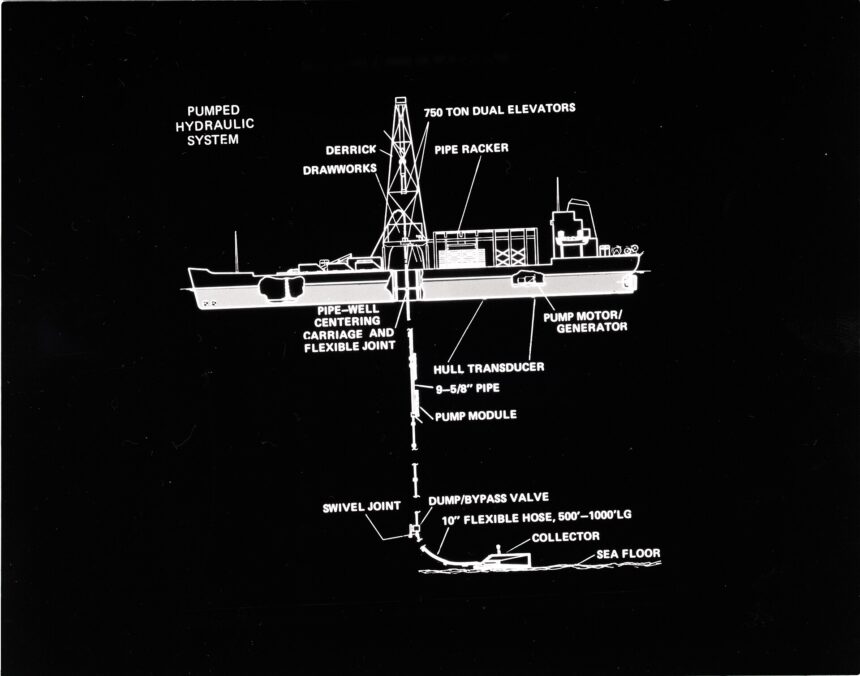
Two specific lease areas located approximately 150 to 240 miles east of Pago Pago were put up for auction by the Marine Minerals Administration (MMA). The waters surrounding these areas range from 4,630 to 20,100 feet deep. This sale, which achieved bids at the minimum asking price of $3 million per area, reveals the administration’s push to tap into domestic critical mineral resources such as those found in polymetallic nodules and ferromanganese crusts.
Environmental Concerns
This historic lease auction did not occur without controversy. Just three days prior, a federal judge in Hawaii ruled that the National Marine Fisheries Service had violated the Endangered Species Act in its review process of the proposed sale. Despite legal challenges, the Interior Department proceeded with the auction, a decision criticized by environmental advocates. Julia Singer, Oceana’s defense campaign manager, stated that the sale prioritizes corporate interests, risking damage to marine habitats and ecosystems.

Opposition to deep-sea mining is prominent among local stakeholders, including American Samoa Governor Pulaali’i Nikolao Pula, who has expressed concerns about potential ecological impacts in the territory’s waters. Environmental group Oceana emphasized that over 76,000 public comments were submitted opposing the mining initiatives.
Future Production and Regulatory Landscape
While the completion of the auction marks a progressive step in U.S. energy policy, the issued leases do not permit immediate mining activities. They provide limited rights for preliminary exploration and require further environmental evaluations and regulatory approvals before any commercial extraction can take place. The leases are set for a primary term of 20 years, with royalties starting at 2% of production value that will escalate to 5% after the initial five-year period of commercial production.
The administration has outlined a strategy focused on bolstering domestic manufacturing and national security by reducing reliance on foreign mineral suppliers. With additional offshore mineral leasing proposals expected in regions like the Northern Mariana Islands, attention will remain on the environmental implications of such developments.
Behind the Headline
The recent deep-sea mining lease sale by the U.S. highlights the tension between advancing domestic mineral resources and protecting marine environments. As the industry anticipates exploratory activities in sensitive ecological zones, operators must navigate complex regulatory frameworks and growing public opposition. Stakeholders are advised to monitor developments closely, especially as any future mining projects will require comprehensive environmental assessments and community engagement. The implications of these leases extend beyond immediate economic benefits, warranting careful consideration of the potential ecological footprint.