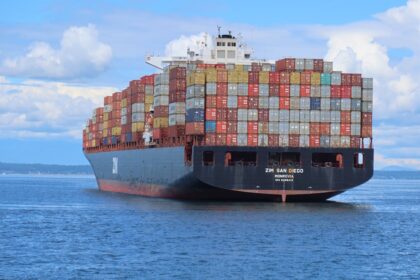


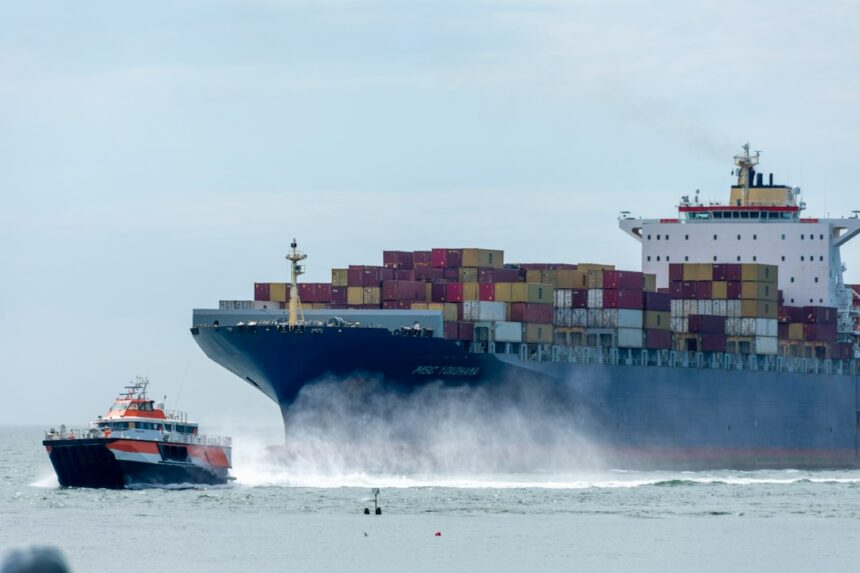
On 13 and 14 October 2026, the Singapore-registered container vessels GFS PRIDE and GFS GISELLE were struck by unknown projectiles while transiting the critical Strait of Hormuz, highlighting a disturbing trend in maritime security for the region.
The Incident
The attack on GFS PRIDE resulted in significant damage and a subsequent fire that led to the vessel sinking. Fortunately, all 21 crew members were evacuated safely, with no injuries reported. In contrast, GFS GISELLE sustained hull damage but managed to navigate to a safe anchorage under its own propulsion, where its 22 crew members were reported safe.
The Maritime and Port Authority of Singapore (MPA) has expressed deep concern over these attacks, emphasizing their unprovoked nature and violations of international law. The MPA has reaffirmed that all maritime operations must adhere to the United Nations Convention on the Law of the Sea to ensure the safety of vessels and crew.

Market Impact
These incidents come amid rising tensions in the Strait of Hormuz, a significant chokepoint for global oil and cargo shipments. The attacks raise concerns about the safety and security of maritime operations in the region, prompting shipping companies to evaluate risk management strategies, potentially affecting insurance premiums and operational protocols. As shipping routes face growing threats, the industry must anticipate adjustments in vessel routing and increased security measures during transit through politically volatile areas.
Operator Response
In light of the recent incidents, operators in the region are urged to enhance security measures, including employing vessel tracking technologies and adjusting operational routes to mitigate risks. The MPA continues to communicate with the management team of the affected vessels to ensure ongoing support and monitoring. Stakeholders will likely engage in discussions to address maritime security, with a focus on protecting seafarers and ensuring compliance with international maritime regulations.
The Operational Read
The recent attacks on the GFS PRIDE and GFS GISELLE demonstrate the critical need for maritime operators to reassess their risk exposure in the Strait of Hormuz. Given the area’s strategic importance for international shipping, operators must strengthen their defensive protocols, including the possible implementation of convoy systems and real-time intelligence gathering on potential threats. Additionally, the industry’s reliance on reliable insurance coverage may prompt insurers to reevaluate risk assessments, possibly influencing operational costs. The long-term impact of these incidents will hinge on the resolution of regional tensions and the effectiveness of industry responses to safeguard commercial shipping interests.