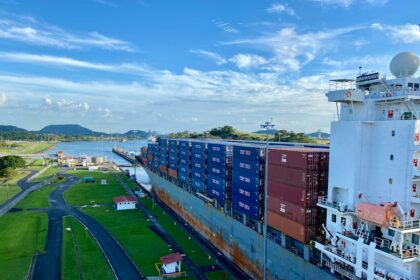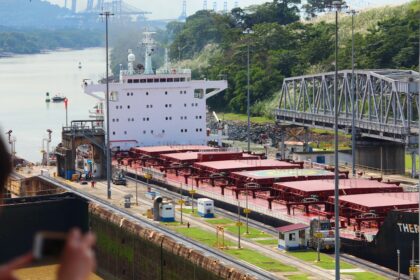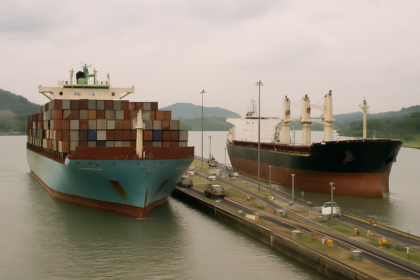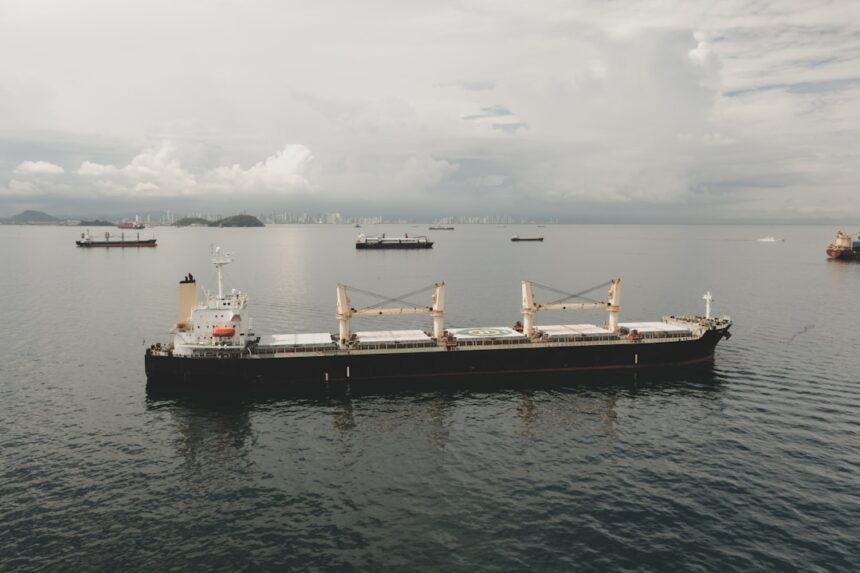
The Panama Canal Authority (ACP) announced a temporary relaxation of its booking rules for Neopanamax vessels amid increasing vessel demand and challenging water supply conditions. Effective August 30, shipping companies will have more flexibility in securing transit slots, allowing them to obtain multiple reservations for the same booking date and to reserve slots on consecutive dates.
This adjustment comes as the canal prepares for a significant reduction in transit capacity due to disappointing rainfall levels in the watershed, which have necessitated operational changes to maintain efficiency and service levels.
Changes to Slot Allocation
The ACP will offer a total of 63 Neopanamax reservation slots each week, which include allocations from existing programs such as the Long-Term Slot Allocation (LoTSA) and NetZero initiatives. The new booking parameters are designed to ensure a fair distribution of available capacity among different vessel types while promoting the efficient use of water resources. Notably, full containerships will be guaranteed a minimum of five slots per booking date, while LPG carriers will receive at least three. LNG vessels and various other types of carriers will also have minimum slot allocations, emphasizing an approach that rewards efficiency in cargo transport.

Furthermore, the ACP is implementing a Transit TEU Allowance (TTA) capacity measure that will calculate slot distributions based on the cargo carried relative to water used during the transit, echoing Administrator Ricaurte Vásquez’s call for enhanced cargo consolidation among operators.

Market Impact and Operational Considerations
The recent rule changes come in light of increasing competition for transit slots, with the share of vessels arriving without reservations rising from approximately 10% to between 20% and 25%. As more vessels compete for limited slots, auction prices have surged, with a recent record bid hitting $5.3 million. This dynamic puts additional pressure on both shipping lines and the canal’s operational capabilities.
To further enhance flexibility, the updated regulations allow for the swapping or substitution of vessels post-reservation, provided the replacement vessel meets or exceeds the initial TTA capacity. Alliance partners may also participate in these transactions, expanding the scope for operational adjustments according to real-time market demands.
Behind the Headline
The recent operational shifts at the Panama Canal reflect a growing awareness of resource constraints and the need for strategic management in the face of increasing vessel traffic. These changes highlight the canal’s commitment to balancing demand with environmental considerations, an essential aspect for operators reliant on this vital global chokepoint. Ensuring that vessels operate with maximum efficiency can alleviate some of the strain on resources. The canal’s actions may not only help mitigate congestion but also enhance overall market fluidity as operators adapt to evolving conditions. Observers will closely watch auction trends and scheduling practices as they affect shipping costs and transit times going forward.