

Commercial shipping activity along Russia’s Northern Sea Route (NSR) has gained considerable momentum in 2026, with transits exceeding the total recorded for all of 2025 by the end of September. The Centre for High North Logistics (CHNL) identified 104 confirmed transit voyages, compared to 103 for the entire previous year, and further estimates suggest that the total number could approach 150 by the close of this year.
Record Cargo Volumes
According to CHNL’s analysis, estimated transit cargo volumes reached 3.7 million metric tons as of September 30, marking a 15% increase from the 3.2 million tons recorded for the entirety of 2025. The combined deadweight tonnage of the vessels that completed transits in 2026 reached approximately 7.8 million tons, 26% higher than the 6.2 million tons seen in the previous year.
The significance of the NSR is particularly evident in its role as a thoroughfare for crude oil and other cargoes. Tankers constituted the largest segment, with 22 eastbound voyages moving an estimated 2.1 million tons of crude oil from Baltic ports to Asian markets. Key ports such as Murmansk, Primorsk, and Ust-Luga served as primary departure points, underscoring the route’s importance in the international oil trade.


Diverse Cargo Activity
Bulk carriers also demonstrated substantial activity, with 13 eastbound voyages transporting around 1.1 million tons of cargo. In the opposite direction, 27 westbound voyages indicated an ongoing repositioning of vessels towards Baltic and other western destinations. The NSR is proving to be not just a route for cargo but an effective pathway for the seasonal repositioning of commercial tonnage.
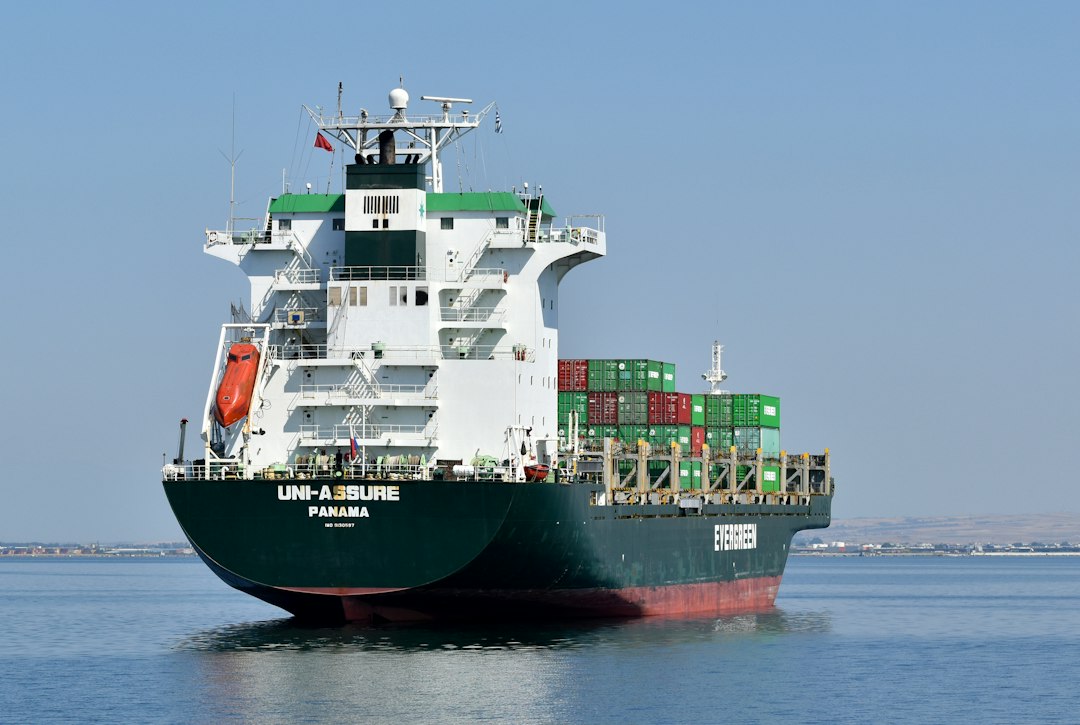
Container shipping activity has notably increased as well, with CHNL documenting 13 container ship transits by the end of September. This marks a significant shift, as only one international Asia-Europe transit was recorded in the entire 2025 season. Among these were the Panstar Acro and Dubai Tower, which made successful voyages from South Korea and China to the United Kingdom.
The management of ice conditions played a crucial role in this year’s navigation success. Early August saw diversions of significant traffic north of the Severnaya Zemlya archipelago, departing from the conventional Vilkitsky Strait route. Improved ice conditions later in the month allowed traffic to shift back toward traditional routes, yielding a continuous open-water corridor by early September—an improvement over the previous two years.
Implications for Future Navigation
The favorable weather and ice conditions experienced throughout much of the 2026 navigation season have set a precedent for future Arctic shipping activities. Open-water conditions have allowed multiple vessels to navigate the NSR well past September 30, although the onset of seasonal freeze-up is anticipated to limit operations for vessels lacking ice-class capabilities in the coming weeks.
Behind the Headline
The significant increase in transit volumes through the Northern Sea Route reflects growing commercial interest in Arctic shipping corridors as alternatives to established routes. For operators, this presents opportunities for efficiency and cost savings; however, it also brings challenges related to navigation safety and environmental implications. The trends noted in cargo diversity—from oil to bulk and container shipping—highlight a dynamic shift in how shippers approach Arctic routes, aligning with broader global trade patterns. Stakeholders should monitor ice conditions and their impact on future shipments, as well as regulatory developments that may arise as interest in Arctic navigation continues to grow.