Update 30 Oct 2026, 22:33 UTC:
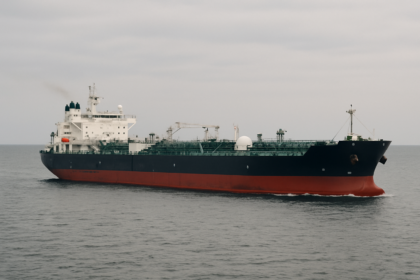
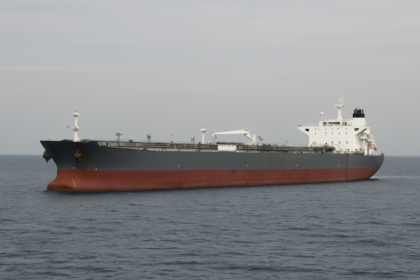
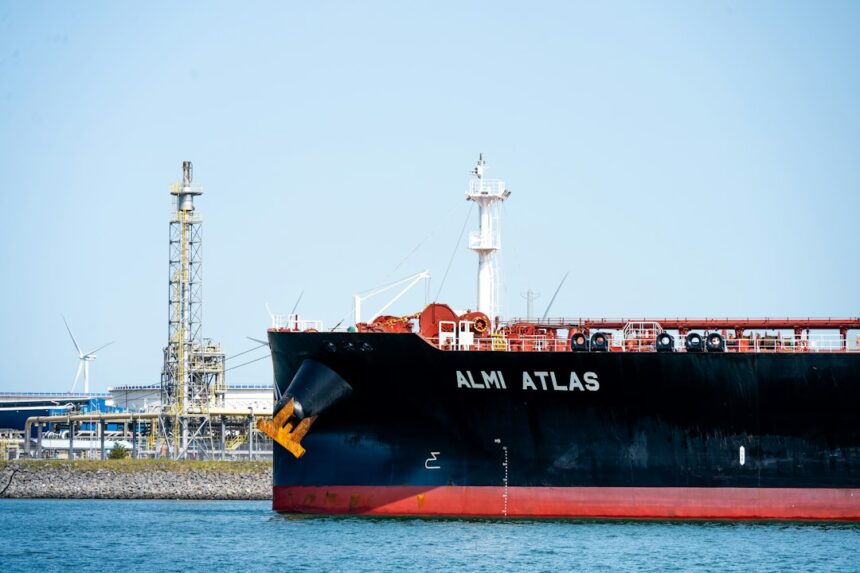
Three Iranian-flagged tankers, including the CELESTIAL SEA, have recently exhibited unusual maneuvering behavior in the Gulf of Oman, coinciding with increasing threats from the Islamic Revolutionary Guard Corps (IRGC). Observations made on October 14 revealed CELESTIAL SEA drifting in a loop and subsequently going dark for 86 hours near the 2Africa undersea cable corridor. Such activities have raised alarm among maritime security experts.
The Incident
On October 14, CELESTIAL SEA drifted off the coast of Sohar, Oman, for several hours before disappearing from tracking systems. The tanker reappeared on October 19, after executing a U-turn within the vicinity of the 2Africa and Bay of Bengal Gateway (BBG) undersea cable routes. Throughout this period, it remained in ballast, indicating it was carrying no cargo. Meanwhile, another U.S.-sanctioned very large gas carrier (VLGC) nearby altered its route from Malaysia, subsequently loitering before going dark itself.


Additionally, an Iran-flagged very large crude carrier (VLCC) loitered for approximately ten days within Iran’s Exclusive Economic Zone, frequently disappearing from tracking systems. This combination of behavior among the three vessels suggests a coordinated effort to navigate around heightened surveillance and potential enforcement measures.
Regional Implications
The waters off Oman contain one of the highest densities of undersea cables in the world, facilitating communication between multiple nations, including Oman, the UAE, Saudi Arabia, and several others. Damage or disturbance to these cable systems due to maritime operations could have repercussions extending beyond the immediate region, potentially impacting global connectivity.
The vessels involved are not without substantial ties to sanctioned entities. CELESTIAL SEA was sanctioned by the U.S. Treasury in April 2025 for its association with Iran’s National Oil Company and military. The operational practices of these vessels have highlighted the ongoing challenges in monitoring Iranian maritime activities amidst increasing regional security tensions.
The Operational Read
The recent incidents involving IRGC-linked tankers demonstrate the complexities of maritime operations in geopolitically sensitive areas. Shipping operators in the Gulf of Oman must now remain vigilant, as the changes in navigational patterns can indicate broader strategic moves that may lead to increased risks. The potential for disruption of communication infrastructures reinforces the necessity for robust maritime security measures. Close monitoring of vessel movements and adherence to international sanctions remain crucial for operators navigating these waters. It will also be essential to observe any subsequent actions taken by maritime authorities in response to these developments.