Update 13 Nov 2026, 08:35 UTC:
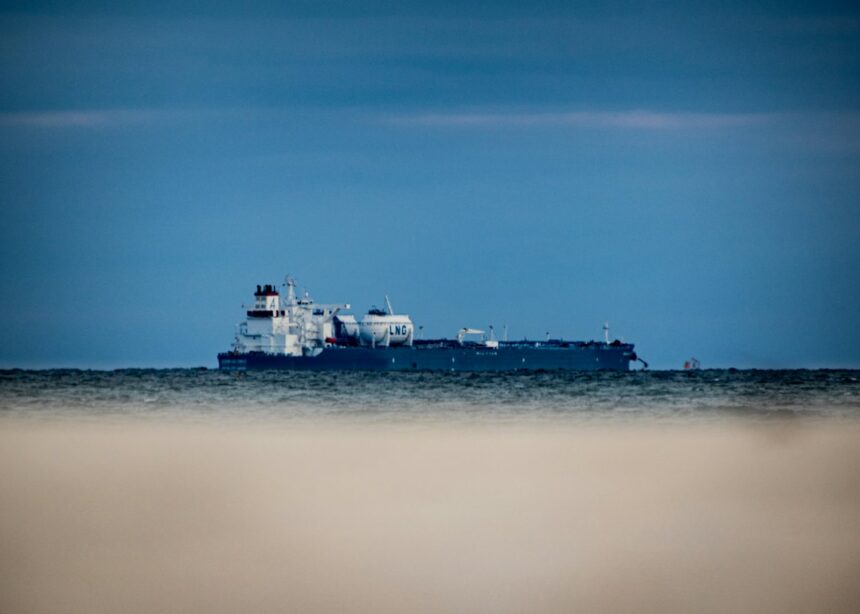
A landmark legal battle concerning the Very Large Crude Carrier (VLCC) freight benchmark has concluded in London, as the Baltic Exchange and commodities trader Mercuria await a High Court ruling. This case centers around whether the freight index should have remained operational following the outbreak of conflict in the Middle East.
The Trial Proceedings
The three-week trial, which wrapped up recently, explored the implications of geopolitical tensions on freight rate calculations. It raises critical questions about the stability of shipping benchmarks during periods of uncertainty and how they impact market operations.


Potential Market Implications
The ruling has the potential to reshape the operational framework of VLCC freight pricing, which is vital for global oil trade. If the court sides with Mercuria, it might set a precedent for allowing the continuation of benchmarks despite escalated conflicts, thereby influencing chartering strategies and risk assessments among operators.
Anticipating the Verdict
The timeline for a judgment remains uncertain, with the court expected to take several months to deliver its verdict. Stakeholders across the industry are now evaluating potential adjustments to their operational strategies in preparation for the outcome of this significant trial.
Behind the Headline
The resolution of this case could have far-reaching consequences for the shipping sector, particularly in how freight benchmarks are maintained during geopolitical tensions. If allowed to continue during crises, this could alter risk management practices, encourage greater investor confidence, and invite a re-evaluation of charters during unstable conditions. Stakeholders should monitor developments closely for indications of how these legal interpretations might affect future contracts and market stability.