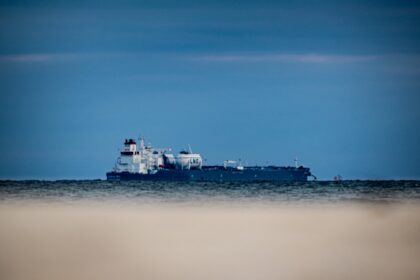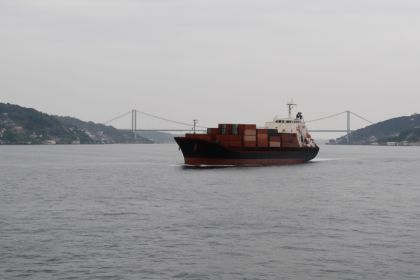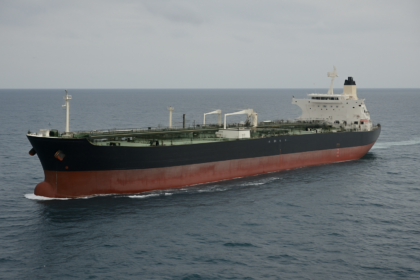


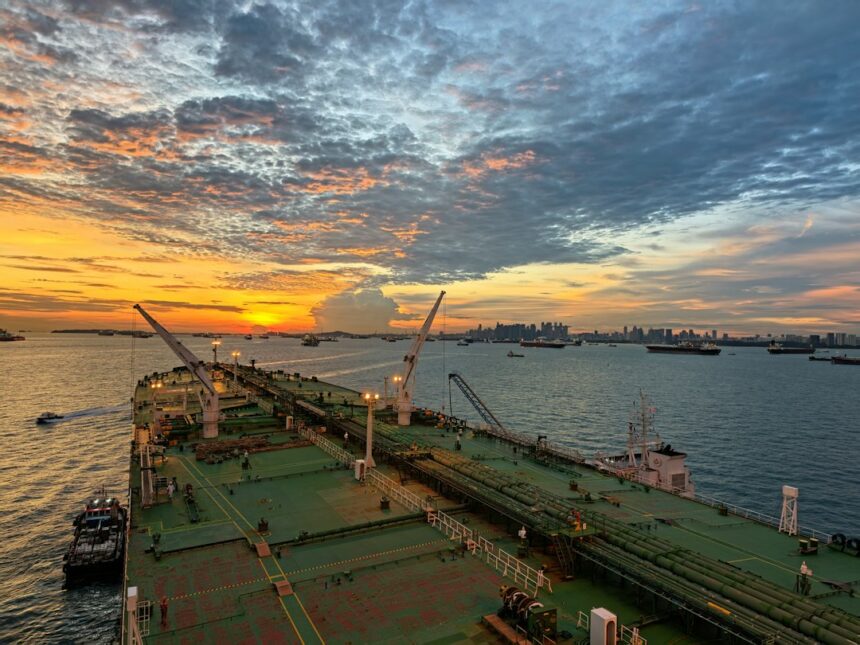
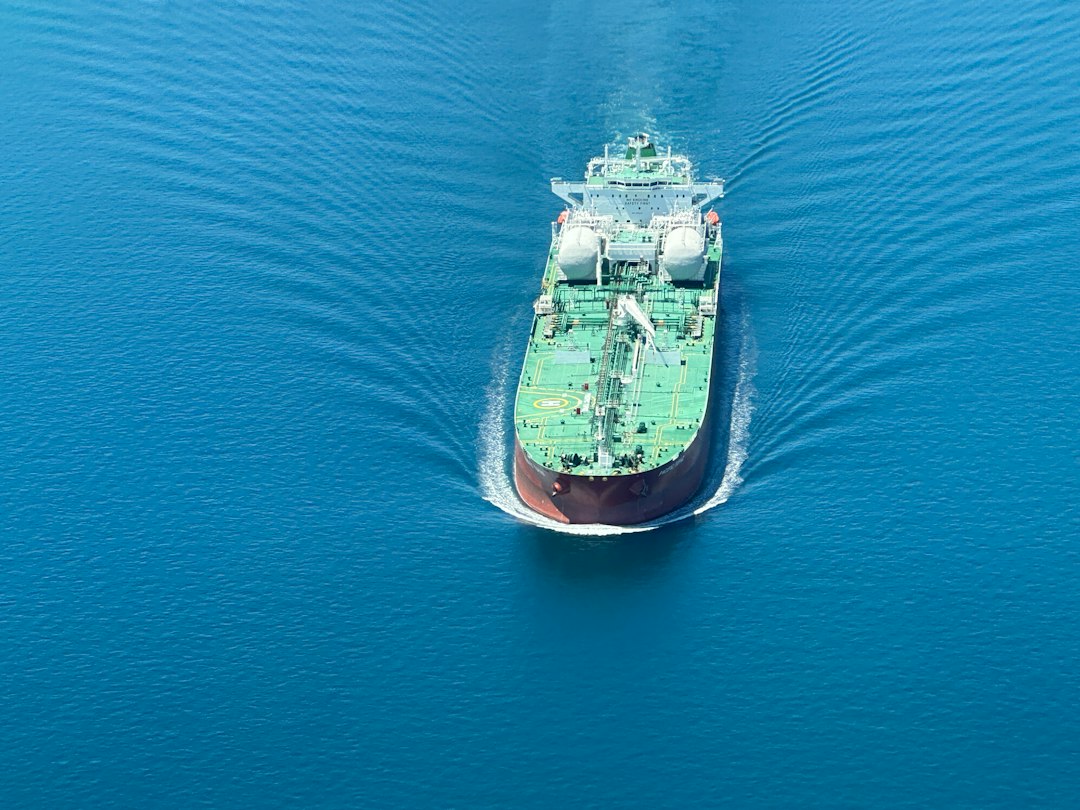
A Qatari liquefied natural gas (LNG) carrier is currently navigating the Red Sea, a decision that could expedite delivery to Poland, thus addressing European gas supply concerns amidst heightened geopolitical tensions. The carrier, which loaded its LNG cargo in Qatar back in August, is reportedly signaling Poland as its next destination, as per ship-tracking data.
Strategic Importance of the Journey
The cargo is linked to a long-term supply agreement between Poland’s Orlen SA and QatarEnergy. However, shipments under this contract had previously been halted due to drone strikes that targeted the Ras Laffan LNG facility in March. As Europe grapples with significant gas shortages—reportedly at their lowest seasonal levels in over a decade—this shipment becomes critically important as the continent prepares for a challenging winter.
European natural gas prices are surging, hitting their highest levels in nearly four years, indicating strong market pressures due to supply constraints. This has prompted suppliers, including Qatar, to seek alternative transportation routes, such as through the Red Sea, an area noted for its increased risk from regional conflicts.

Security Concerns in the Red Sea
Despite the logistical advantages of a direct route, recent reports from UK Maritime Trade Operations highlight the risks involved. On Saturday, an LNG tanker, identified through ship-tracking sources as the one bound for Poland, faced gunfire from an approaching skiff southeast of the Yemeni port of Al Mukalla. In response, the tanker’s onboard security team returned fire, underscoring the precarious nature of maritime operations in these waters.
In light of these incidents, it is increasingly common for commercial vessels to take longer detours around Africa’s Cape of Good Hope to avoid the Red Sea altogether. Such rerouting typically prolongs journeys by up to two weeks and incurs additional costs, making this direct transit notable.
Market Implications
This unprecedented journey through the Red Sea raises questions about the operational strategies of LNG suppliers amidst market volatility. The combination of high European demand and regional insecurity necessitates flexible routing for Qatari carriers, which have historically relied on stable maritime routes.
Furthermore, continued disruptions, especially near critical chokepoints like the Strait of Hormuz, could further strain global supply chains. As gas inventories dwindle, the implications for pricing, availability, and supply contracts become significant—not just for Qatar, but for energy markets surrounding Europe and beyond.
The Operational Read
The decision to navigate the Red Sea reflects a critical operational pivot in response to both market demands and geopolitical realities. Operators must weigh the risks of regional conflict against the urgency of delivering LNG supplies to Europe. The immediate focus will be on the security measures implemented aboard vessels as they traverse high-risk areas. Additionally, market participants should monitor how QatarEnergy adapges its supply strategy in light of evolving geopolitical landscapes, especially considering potential disruptions caused by regional tensions. Stakeholders in the shipping and energy sectors will need to stay alert to both commodity price fluctuations and the prospects of future shipments under revised security protocols.