Update 13 Oct 2026, 12:34 UTC:
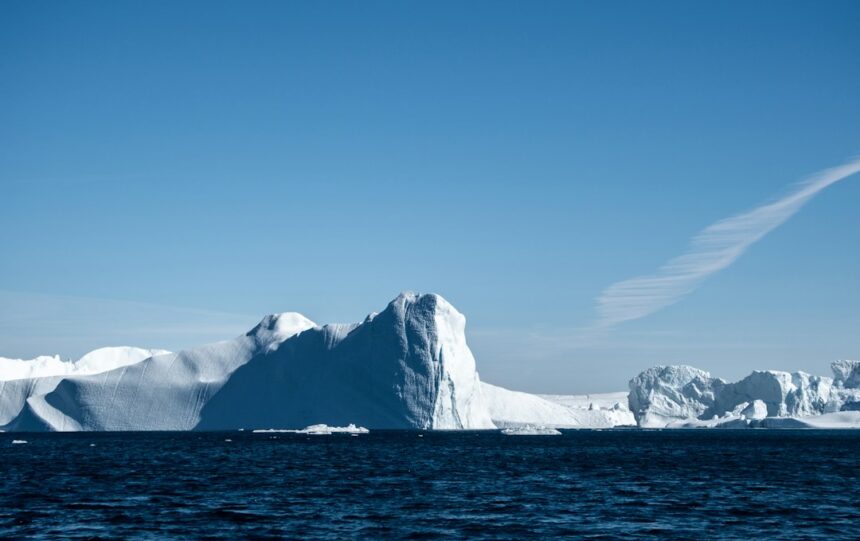
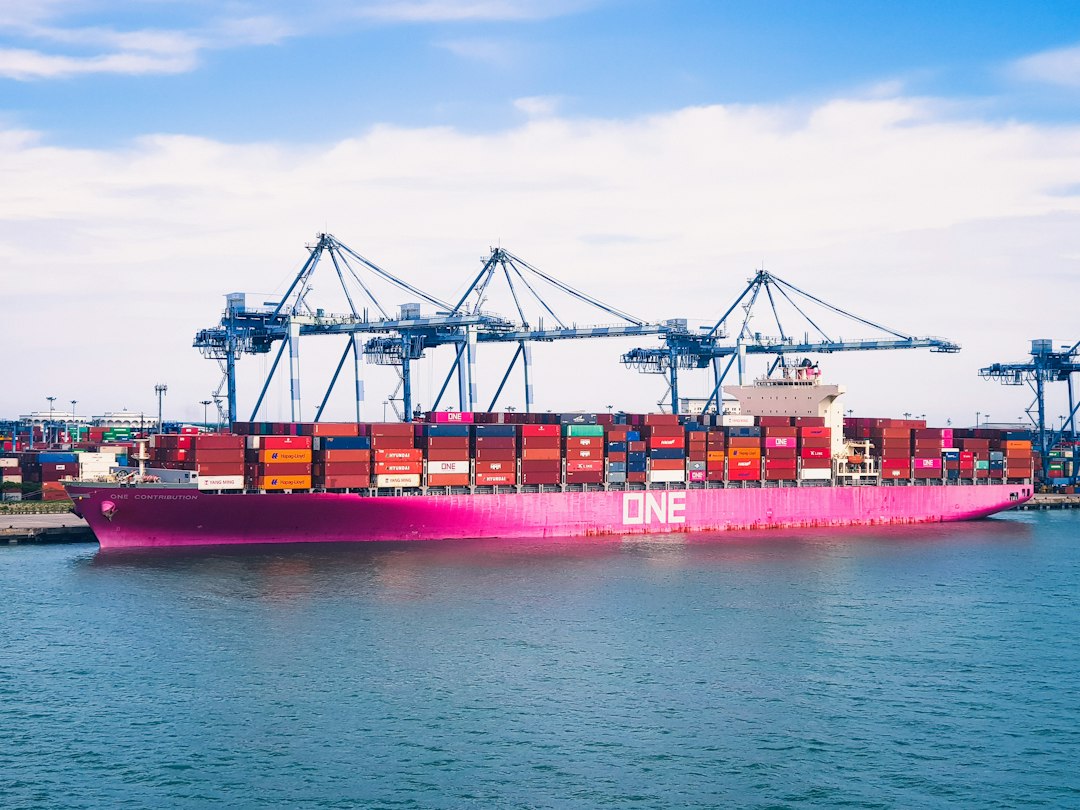
On Sunday, October 10, 2026, the PanStar Acro, a 2,758-TEU container ship, returned to Busan after completing South Korea’s inaugural commercial trial through the Arctic to Europe. The 50-day voyage included stopovers in key ports such as Felixstowe, Rotterdam, and Gdansk, demonstrating the potential of the Northern Sea Route as a viable alternative to traditional shipping lanes.
The Voyage
The vessel’s transit time to Europe was approximately 20 days, roughly one-third faster than the equivalent journey through the Suez Canal, according to South Korean maritime authorities. President Lee Jae Myung, who welcomed the crew upon their return, emphasized the necessity of exploring diversified shipping options in the face of disruptions along existing sea lanes, notably caused by geopolitical conflicts in the Middle East.

President Lee remarked, “The newly opening Arctic route can become another sea lane, another option…to rely on in a crisis,” indicating the strategic value of the route for the South Korean economy.
Economic Considerations
Despite the initial success, the trial highlighted important challenges to the economic viability of the route. The PanStar Acro departed with only 737 TEUs of export cargo, significantly below its target of 1,300 TEUs. On the return leg, it carried 1,743 TEUs of empty containers, indicating a lack of import cargo—a concerning trend for potential commercial operations.
Comments from opposition lawmaker Kang Seung-kyoo underscored these concerns, suggesting that the need for consolidated shipments and operational experience would be essential to lower costs and improve service reliability. Additionally, South Korea’s oceans minister has projected that the route may not become economically sustainable until around 2040.
Geopolitical Implications
The trial voyage also illuminates the diplomatic complexities associated with developing a shipping corridor that traverses Russia’s Arctic coast. Utilization of the Northern Sea Route necessitates Russian authorization, and access to icebreaker escorts is predominantly governed by Rosatomflot, a state-controlled entity subject to Western sanctions.
President Lee assured international partners that South Korea would adhere to sanctions principles, stating, “We will strictly observe international norms,” while expressing a desire to maintain diplomatic channels with Russia, recognizing the importance of balancing national interests with geopolitical realities.
Recent reports have highlighted that South Korea has engaged in significant petroleum product shipments to Russia in the preceding months, raising questions about its compliance with existing sanctions. Officials have clarified that these exports do not violate South Korean laws.
Behind the Headline
The completion of the PanStar Acro’s trial voyage through the Arctic underscores a pivotal moment for South Korean shipping strategies as the nation evaluates alternatives to traditional maritime routes. For operators, the challenge lies in navigating the logistics of securing return cargo while addressing geopolitical implications regarding Russia. As commercial viability remains uncertain, ongoing trials in 2027 will be critical in assessing the future of regular services along the Northern Sea Route. The regulatory landscape will also be key in shaping operational decisions, as shipping lines consider both economic feasibility and diplomatic relations in a rapidly evolving geopolitical climate.