At the recent International Union of Marine Insurance (IUMI) conference held in Rotterdam, IUMI President Frédéric Denèfle addressed the evolving landscape of marine insurance amid increasing global tensions. He asserted that marine insurers are pivotal in managing war risk, advocating for the development of robust tools to support international trade.
The Importance of Adaptability
Denèfle highlighted a common misconception in the maritime industry regarding war insurance cover: the notion that coverage is automatically cancelled when a conflict arises. He clarified that, while some insurers issue a Notice of Cancellation under heightened risk, it does not effectively terminate coverage. Instead, it allows for reassessment and potential reinstatement of the cover on adjusted terms, thereby maintaining a functional relationship between the insurer and assured.
Assessing War Risks
In his remarks, Denèfle outlined the complex considerations for underwriters assessing war risk coverage. Unlike conventional marine insurance, which evaluates factors such as a vessel’s age and trading history, war risk underwriting necessitates detailed information about specific voyages, including the duration spent in high-risk areas. This requirement may pose challenges for cargo owners, who often lack comprehensive knowledge of their vessels’ routes.

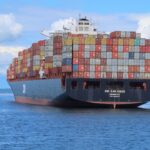
Denèfle also discussed the trend of offering cargo coverage on a per-contract basis within high-risk zones, contrasting with the traditional annual open cover methods many cargo owners have employed. The complexities of this shift necessitate close collaboration between insurers and clients to navigate the intricacies of risk management.
Mitigation Measures and Emerging Risks
Denèfle acknowledged the importance of risk mitigation strategies such as naval escorts provided by nation states. However, he cautioned that reliance on such protections must be tempered with an understanding of their availability and reliability during crucial transits. Furthermore, the risk of confiscation, expropriation, nationalization, or dispossession (CNED) significantly escalates during conflict periods, making it imperative for insurers to have a comprehensive understanding of operational environments.
The Operational Read
The discourse on war risks at the IUMI conference underscores a critical need for marine insurance to adapt to a rapidly changing geopolitical landscape. Insurers must enhance their risk assessment capabilities, considering the dynamic nature of conflicts and the intricate realities of maritime operations. For operators, this shift means potential changes in insurance terms and conditions that could affect operational costs. As tensions rise, it is essential to monitor how the marine insurance industry evolves, particularly in response to emerging geopolitical threats and the necessary adjustments in risk management strategies.