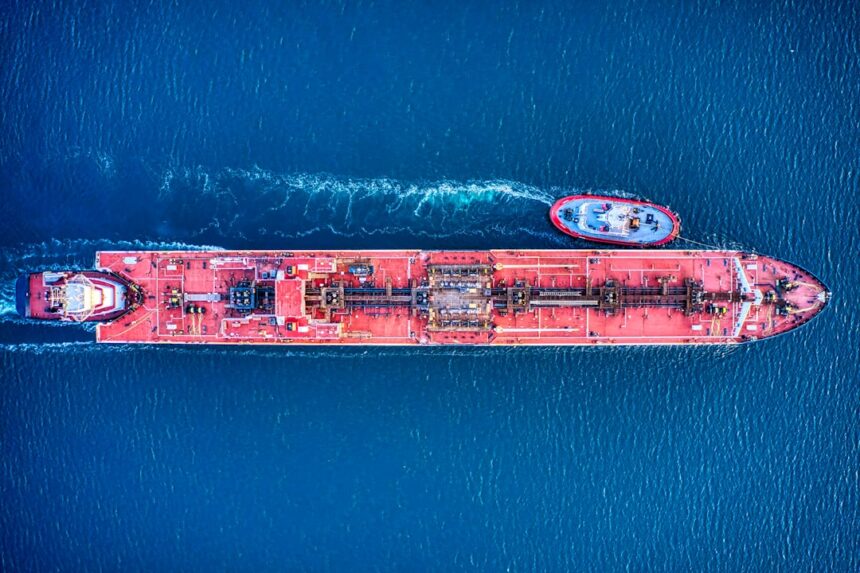
A consortium of maritime industry leaders, including Lloyd’s Register, Seapeak, Kongsberg Maritime, and Tunable, announced a significant initiative to enhance emissions compliance for LNG carriers at Gastech 2026 in Bangkok. The joint development project (JDP) focuses on the validation and deployment of Kongsberg Maritime’s Continuous Emissions Monitoring System (CEMS), integrating advanced gas analysis technology from Tunable.
The project seeks to compare actual CO2 emissions recorded by the LNG carrier’s onboard CEMS against established engine test bed data and default emissions factors. This approach will quantify discrepancies in emissions reporting and evaluate the practical application of direct CO2 measurements in accordance with the International Maritime Organization (IMO) and European Union (EU) emissions reporting frameworks.
The Project’s Scope
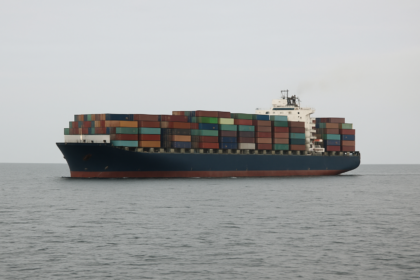
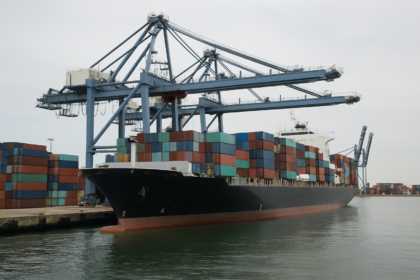
Through this JDP, Lloyd’s Register will function as the independent verifier, monitoring emissions data from a recently constructed LNG carrier scheduled for delivery in early 2027. Data collection and analysis will extend throughout the following year, providing a comprehensive assessment of the performance of Kongsberg’s CEMS under real operational conditions.

Panos Mitrou, Senior Vice President of Shipping Strategy at Lloyd’s Register, stated that the maritime sector currently relies heavily on default emissions factors and test bed data to gauge environmental performance. The new initiative aims to bridge the gap between estimated and actual emissions by providing direct measurements from vessels operating under real-world conditions.
Industry Collaboration
Key partners in this venture emphasize the importance of data-driven solutions for environmental performance. James Cruickshank, Director of Marine & Technical Services at Seapeak, highlighted the goal of using real operational data to refine emissions measurement and reporting. This collaboration aims not only to advance understanding within the industry but also to identify opportunities for further greenhouse gas reductions across fleets.
Eirik Agren, Sales Director at Kongsberg Maritime, noted that most maritime CO₂ reporting relies on fuel consumption estimates, which may not always reflect actual emissions. The insights gained from this project could play a critical role in transitioning to more accurate emissions reporting practices within the sector.
Why It Matters
The ongoing pursuit of precise emissions measurement technologies is crucial as the maritime industry navigates an increasingly stringent regulatory environment. This joint project demonstrates a proactive approach that aligns operational realities with regulatory compliance. By validating continuous emissions monitoring systems, operators can gain a deeper understanding of their environmental impact, which is essential for informed decision-making by shipowners and charterers. The outcomes of this project may enhance the industry’s overall approach to emissions reduction and help in meeting global sustainability standards, reflecting a significant advancement in the maritime sector’s commitment to environmental stewardship.