Update 20 Nov 2026, 14:33 UTC:
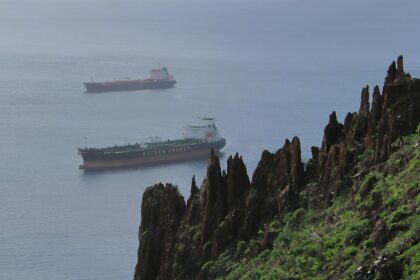
A notable transfer of Iranian crude oil occurred between the US-sanctioned Suezmax tanker Olym and the medium-range Hao Fan in the Persian Gulf this week, posing new challenges for maritime operators in a volatile geopolitical environment. The operation has drawn attention as the US Navy expands its maritime blockade to halt Iranian oil exports.
The Incident
Nonprofit organization United Against Nuclear Iran (UANI) and ship-tracking analytics firm Kpler reported that the oil transfer took place on Tuesday, just south of Iran’s primary oil export facility on Kharg Island. This transfer is significant as it marks the first ship-to-ship operation since the United States reinstated its blockade of Iranian ports in mid-July 2026.

During the operation, both vessels reportedly turned off their transponders, raising questions about accountability and visibility in contested waters. UANI’s analysis, based on satellite imagery and tracking data, suggests that the Hao Fan is spoofing its location to avoid detection. The US military has noted a heightened alert for vessels engaging in this type of illicit practice, emphasizing that any ships transporting cargoes at sea could potentially be targeted.

Market Impact
The implications of such transfers extend beyond immediate operational risks, impacting global oil markets significantly. With the US military’s expanded blockade effectively halting Iranian oil exports, the Islamic Republic faces severe reductions in one of its main revenue streams. While irregular shipments of Iranian liquefied petroleum gas have occasionally made their way from the Middle East since the blockade began, the crude oil loaded onto Hao Fan lacks the volume necessary to justify an economic export voyage.
Charlie Brown, an advisor to UANI, remarked on the unlikelihood of these movements impacting global supply significantly, noting that the quantities involved — around 200,000 barrels — are insufficient for a full export venture. This highlights the ongoing operational and economic challenges Iran faces in trying to maneuver around US sanctions.
Operator Response
Although Iranian authorities are anticipated to pursue multiple avenues to export oil, the combination of US maritime enforcement and Iran’s export limitations presents a precarious situation for international operators. The industry’s response likely involves risk assessment for vessels operating in the Persian Gulf and strategies to enhance navigational safety. Navigating these troubled waters will become increasingly complex as US enforcement extends its reach toward all vessels involved in maritime cargo transfers.
The Operational Read
The ongoing maritime blockade imposed by the United States poses critical operational challenges for shipping companies and charterers in the Persian Gulf. With US military assets on heightened alert, vessels involved in transfers of sanctioned cargoes may face increased scrutiny and operational risk. The situation necessitates a comprehensive understanding of local and international maritime regulations, as well as rapid response protocols for vessels operating in the region. Future developments to watch include potential increases in insurance premiums, strategic rerouting to avoid conflict zones, and adaptations in tanker operations to mitigate exposure to enforcement actions. As the geopolitical landscape evolves, shipping operators must remain vigilant to navigate these complexities effectively.