Update 07 Oct 2026, 22:32 UTC:
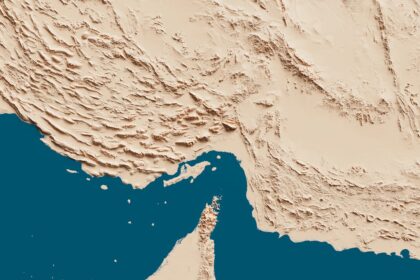
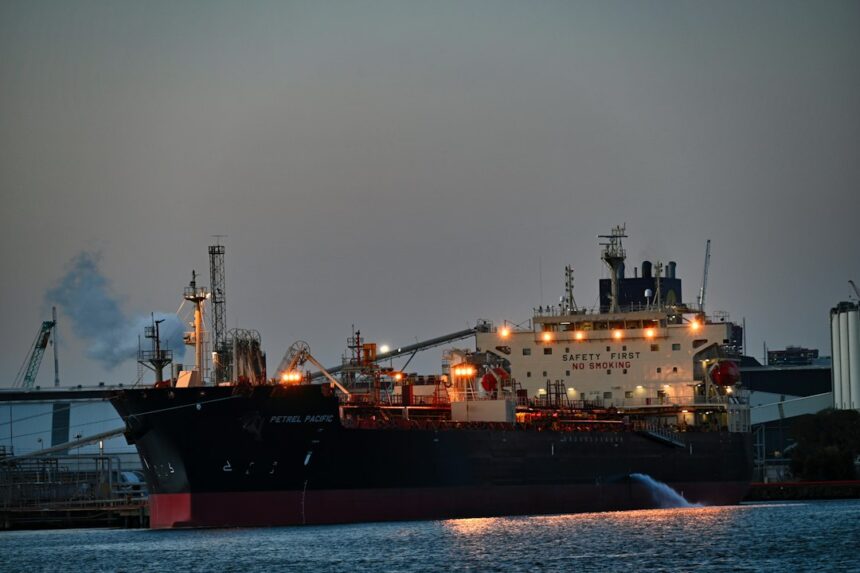
Iran has intensified its attacks on tankers traversing the Strait of Hormuz, creating challenges for the fragile recovery of crude oil exports from the Persian Gulf. Over the past month, nearly 20 commercial ships, primarily tankers, have been targeted while navigating Hormuz, the Gulf, or the coastal waters of Oman, according to data from the Joint Maritime Information Center.
The Incident
The escalating frequency of hostile activities in the strait has prompted analysts to caution against the sustainability of the current oil export rebound. Senior maritime intelligence analyst Michelle Wiese Bockmann, from Windward, noted that Iran attacked approximately two vessels for every 100 that crossed the strait in the third quarter. This highlights a troubling trend as tankers face increasing risks while transporting crude in a region fraught with security threats.

The current oil flows in Hormuz benefit from a major military commitment by the United States, which has been tasked with safeguarding tankers along a designated route parallel to Oman’s coastline. However, the ongoing volatile security situation remains a concern, raising questions about the longevity of the rebound unless a diplomatic resolution is achieved.
Market Impact
While crude oil shipments through Hormuz have seen intermittent recovery, they remain below prewar averages. Data from Kpler indicates weekly shipments at around 10.3 million barrels per day, approximately 23% lower than prewar figures of 13.5 million barrels per day. Windward’s estimates suggest average crude flows through the strait are now between 9-10 million barrels per day, down from a prewar benchmark of 14.5 million barrels per day.
The costs associated with these operations have skyrocketed, largely due to heightened risks for crews and tankers alike. Analysts report that since July, at least nine sailors have lost their lives, with additional casualties among those involved in maritime operations. The financial ramifications are equally concerning, with additional operational costs leading to freight and insurance rates soaring to unprecedented levels. The price of shipping crude oil from the Persian Gulf to China has reached approximately $1 million per day for each tanker, as operators adapt to increased complexity and danger.
Operator Response
In light of the escalating threat environment, operators have adapted their strategies to mitigate risk. Many are employing a shuttle system, where tankers transport crude through the Strait of Hormuz and transfer oil onto other vessels in the Gulf of Oman. While this approach decreases exposure to Iranian attacks, it necessitates a greater number of vessels and consequently inflates operational expenses.
Market analysts acknowledge that despite these adaptations, the situation remains precarious. Richard Meade, editor in chief of Lloyd’s List, emphasized the continued threat to tankers navigating the strait, noting that while more crude is currently exiting Hormuz, the risks associated with shipping operations have not diminished. Brent oil prices hovering near $100 per barrel further complicate the outlook, raising questions about the trade’s viability given the existing geopolitical landscape.
The Operational Read
The current security climate in the Strait of Hormuz presents significant operational challenges for shipping companies. The ongoing risks from Iranian attacks force operators to weigh the increased costs against the potential for oil delivery disruptions. The reliance on the U.S. military for protection against threats highlights the fragility of supply chains in this vital trade corridor. Future developments will likely hinge on geopolitical negotiations and the feasibility of maintaining crucial maritime routes under heightened risk conditions.