Update 23 Nov 2026, 12:33 UTC:
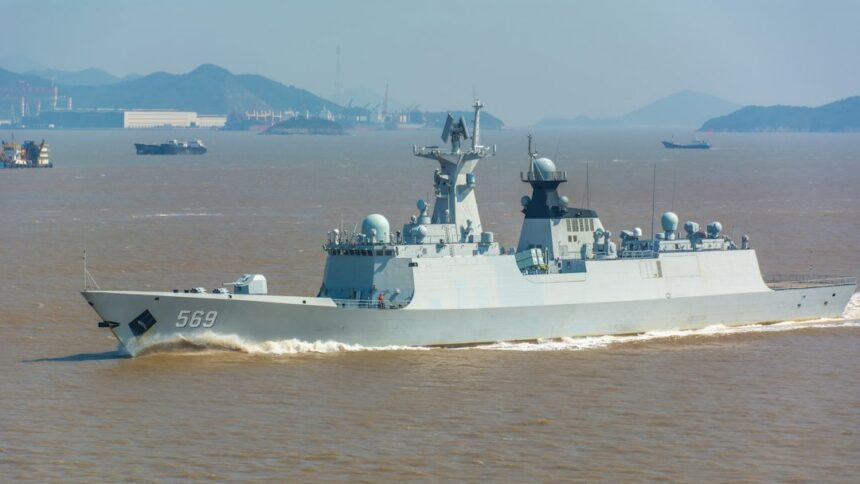
Iran’s assertions of control over the Strait of Hormuz intensified on Sunday against a backdrop of escalating military confrontations in the region. Iranian army spokesman Mohammad Akraminia emphasized Tehran’s sovereignty over this vital maritime corridor, which serves as a major passage for global oil shipments.
The Incident
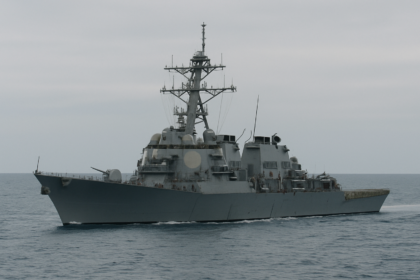
The latest developments follow Iranian claims of strikes on U.S. air defense radars based in Bahrain, allegedly using missiles and drones during a retaliatory operation by the Islamic Revolutionary Guard Corps (IRGC). This operation targeted two Patriot radar systems at al-Riffa and Awali bases, asserting that these actions were responses to previous U.S. incursions into Iranian airspace and attacks on Iranian assets in the Persian Gulf.

While reports from Bahrain confirmed a fire at a civilian facility resulting from these strikes, no injuries were reported. The allied Gulf nations have responded by condemning the attack, reflecting the heightened tensions in the area. Concurrently, Saudi Arabia faced threats from Houthi missile strikes, with a recent attempt to attack Mecca thwarted by a Saudi-led coalition.
Market Impact
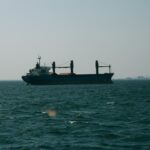
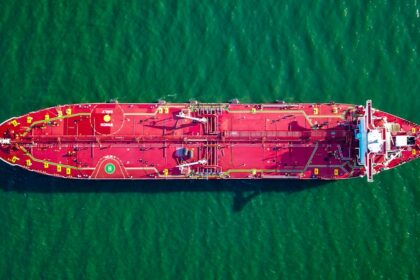
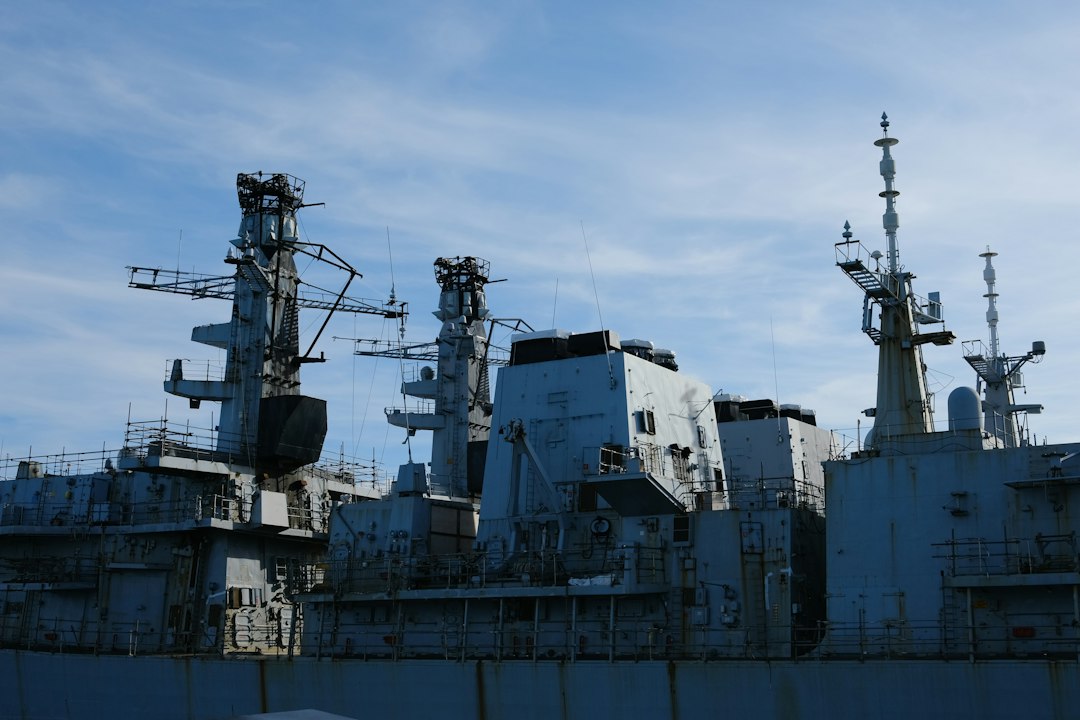
The potential risks to maritime operations have raised alarms, particularly concerning energy shipments through the Strait of Hormuz, which is responsible for a substantial portion of the world’s oil trade. Iran has explicitly threatened vessels navigating these waters without Iranian permission, indicating an increased risk profile for shipping companies operating in the region. This threat manifests in growing concerns over security and potential disruptions to tanker traffic, which has historically faced incidents of sabotage and interdiction in periods of heightened conflict.
Diplomatic discussions seem stalled, despite Iranian Foreign Minister Abbas Araghchi acknowledging calls for reconsideration of Iran’s nuclear program stance. Turkish Foreign Minister Hakan Fidan has advocated for a ceasefire, warning of severe economic repercussions stemming from the ongoing conflict, highlighting the critical need for stability in the region. Nevertheless, negotiations regarding the reopening of the Strait remain ambiguous, with Iranian President Masoud Pezeshkian cautioning that challenging months lie ahead due to the impacts of the U.S. blockade on Iran’s economy.
The Operational Read
The situation around the Strait of Hormuz underscores a complex interplay of military posture, economic vulnerability, and diplomatic stalemate. For operators and charterers, the implications of Iran’s declarations could translate into increased premiums for transiting vessels, alongside tighter security protocols. The specter of Iran’s threats over maritime traffic necessitates diligent risk assessments and contingency plans for shipping routes, particularly for those relying on steady oil supplies from the Gulf. As the potential for conflict looms, enhanced surveillance and coordination among maritime stakeholders will be essential to navigate this evolving landscape.