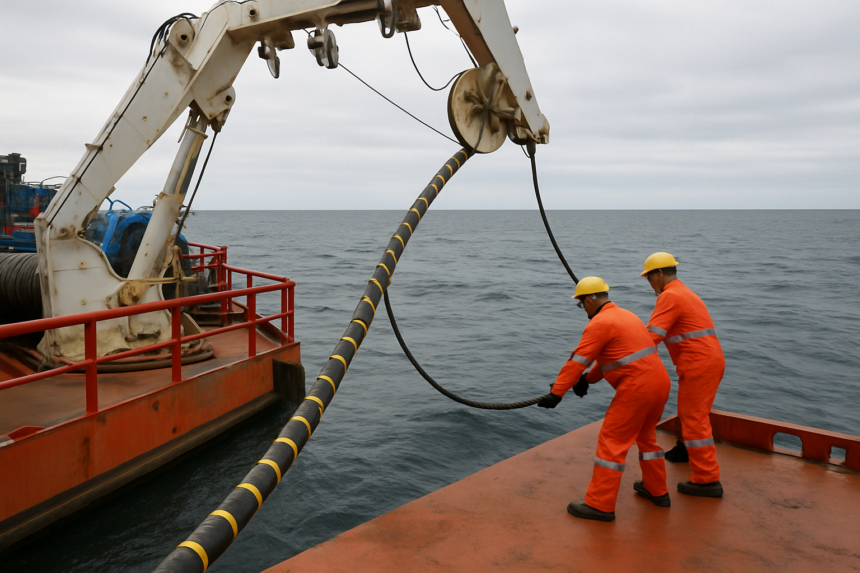
In light of increasing reliance on subsea cable infrastructure, the International Marine Contractors Association (IMCA) has emphasized the need for enhanced resilience strategies. This comes following the release of Windward’s latest Undersea Cables Risk Report, which identifies significant concentrations of vessel activity around critical subsea routes.
The Report’s Insights
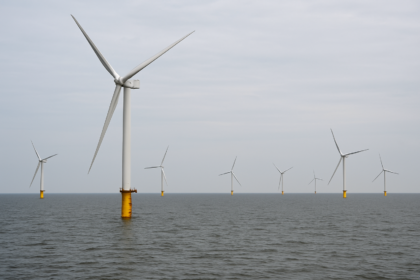
The Windward report sheds light on vulnerabilities within global undersea cable systems, predominantly focusing on telecommunications cables. However, the findings extend important implications for the offshore energy sector, particularly the infrastructure supporting offshore wind export cables and interconnectors, as well as emerging offshore grid systems.
Iain Grainger, Chief Executive of IMCA, articulated the pivotal role these subsea cables play, noting they carry 99% of intercontinental data and a growing share of renewable energy. He contended that while the telecommunications sector benefits from established maintenance zones and repair frameworks, the energy cable sector faces distinct challenges owing to its more intricate operational mechanisms.

Challenges and Recommendations
Grainger indicated that the issue is not rooted in a lack of industry capability. Instead, the need for alignment among various stakeholders is paramount. The offshore industry possesses the marine expertise required to bolster both digital connectivity and the energy transition. As such, IMCA advocates for joint government and industry action in three crucial domains:
- Public-private cooperation: Investment must target repair capabilities, strategic equipment reserves, and sector-specific solutions tailored for power cable repair.
- Skills and workforce resilience: National programs should focus on training and retaining specialists, including cable engineers, jointing experts, deck officers, and marine engineers.
- Policy reform: Regulatory alignment is necessary for fast-tracking permitting processes and granting emergency exemptions where needed, harmonizing procedures across jurisdictions.
Grainger further highlighted the urgent need for robust response arrangements that align with the importance of subsea infrastructure. He stated, “Resilience is not only about prevention and detection. It is also about ensuring that the right vessels, people, equipment and permissions can be brought together quickly when repairs are required.”
Behind the Headline
The focus on subsea cable infrastructure resilience reflects the growing complexities of maritime operations in an era of digital and renewable energy reliance. As offshore energy projects expand, the interdependence between energy and telecommunications infrastructures necessitates comprehensive preparedness frameworks. Operators and industry stakeholders must prioritize developing repair capabilities and aligning policies to react swiftly when faults occur. In dynamic marine environments, the interplay between legislation, training, and rapid response will be critical in safeguarding essential subsea networks, which serve as vital lifelines for modern economies.