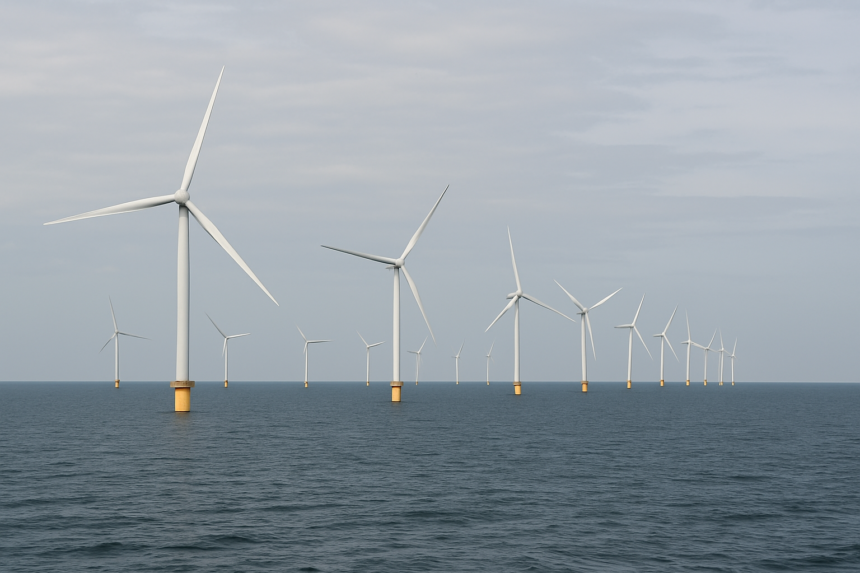
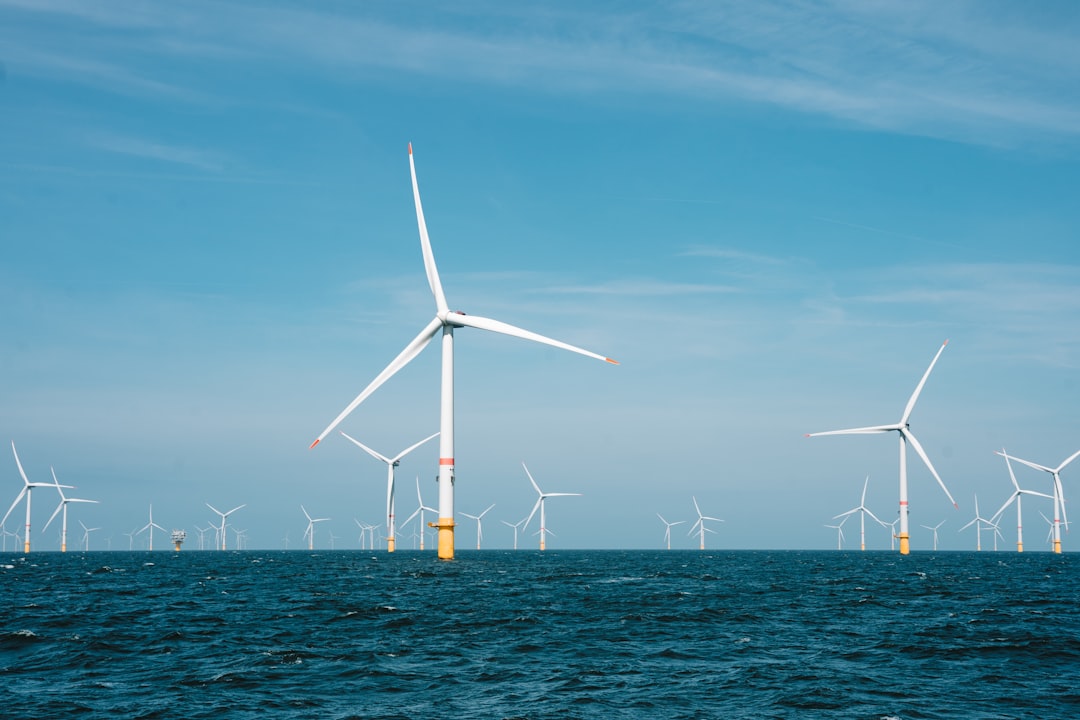
Sweden has recently approved two offshore wind farms, the Fyrskeppet and Vidar projects, while simultaneously rejecting eleven other proposals. This decision signals a decisive shift in Sweden’s approach to offshore renewable energy, aiming to enhance electricity production from sustainable sources.
Project Details
The Fyrskeppet wind farm is situated in the southern region of the Bothnian Sea, while the Vidar project will take place in the northern Skagerrak. Together, these developments are expected to generate up to 19 terawatt-hours (TWh) of electricity per year, significantly bolstering Sweden’s renewable energy output. The capacity adds to Sweden’s existing energy infrastructure, aligning with the country’s commitment to reduce carbon emissions and transition to cleaner energy sources.
Rejected Proposals
The decision to block eleven offshore wind farm proposals has cleared up a period of uncertainty that had affected the energy sector in Sweden. The government had faced mounting pressure to streamline the permitting process for renewable energy projects, amid concerns regarding delays and environmental considerations. By approving only the selected projects, Swedish ministers have articulated a focused approach to wind energy that balances expansion with ecological safeguards.


Industry Implications
The approval of Fyrskeppet and Vidar is expected to invigorate not only the local economy through job creation during construction but also positions Sweden as a stronger player in the European renewable energy landscape. The government’s decision highlights the importance of advancing offshore wind capacities to meet national and EU renewable energy targets, enhancing energy security and sustainability.
Behind the Headline
The recent approval of the Fyrskeppet and Vidar offshore wind farms reflects a strategic prioritization in Sweden’s transition to renewable energy. With the projected output of 19TWh, these projects are critical for advancing the country’s energy independence while mitigating environmental impacts. The rejection of eleven other projects suggests a more stringent regulatory environment aimed at ensuring that only the most viable and ecologically sound proposals move forward. Operators and stakeholders should prepare for potential shifts in project development timelines and regulatory expectations as the government continues to refine its offshore energy strategy.