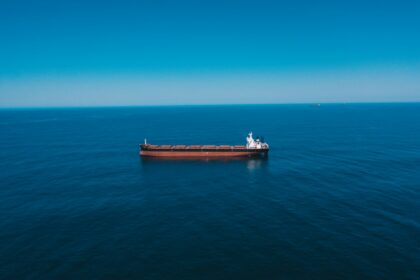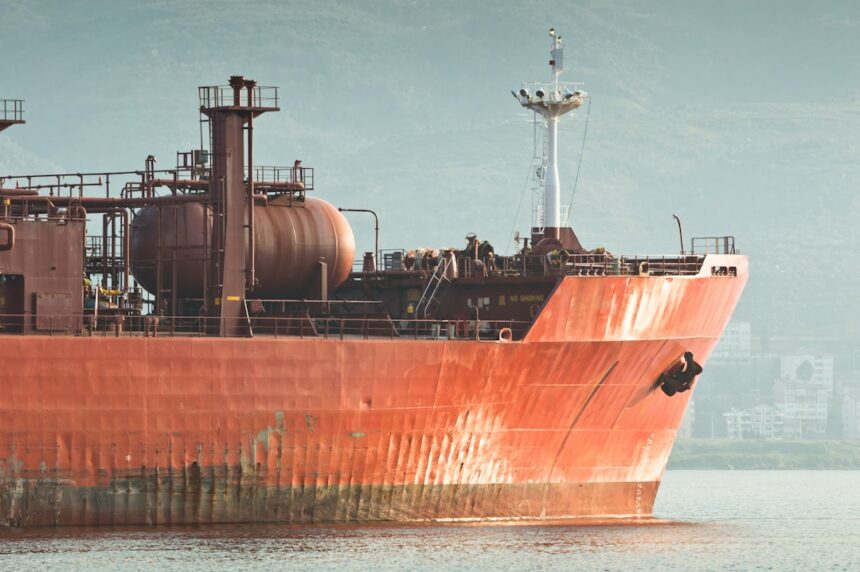
A US federal court has mandated the arrest of the tanker Atlantic Asphalt following a collision in the Port of New Orleans that resulted in the sinking of the cruise ship American Heritage, operated by American Cruise Lines. This significant ruling, closely monitored by maritime stakeholders, emerged from a legal action initiated by the Board of Commissioners of the Port of New Orleans, which claims over $1 million in damages attributable to the incident.
The Incident
The collision, details of which remain under investigation, has prompted heightened scrutiny regarding the safety protocols in place surrounding maritime traffic in busy ports. Ships navigating the Port of New Orleans are often subject to stringent operational guidelines, including speed regulations and communications protocols to enhance safety among different vessel types, including tankers and cruise ships.
Legal and Financial Ramifications
This legal action marks a pivotal moment in maritime liability discourse as it reflects the potential financial impacts of operational mishaps on port authorities and vessel operators alike. The pursuit of more than $1 million in damages signifies a significant escalation in expectations for maritime accountability. Future ramifications may include adjustments in insurance policies, increased liability premiums, and a reevaluation of risk management strategies by operators in similar high-traffic zones.


Operator and Regulatory Responses
In the wake of this court ruling, the maritime community may witness more rigorous enforcement of regulations governing vessel operations in proximity to one another. Regulatory bodies could impose stricter guidelines to ensure safe navigational practices, particularly in congested areas. Shipping operators might also need to reassess their training and operational readiness protocols to mitigate legal and financial risks associated with maritime accidents.
Behind the Headline
The arrest of the Atlantic Asphalt underscores an urgent need for improved safety measures within maritime operations. As legal precedents emerge from such incidents, operators must navigate an increasingly complex liability landscape, assessing the implications for charter parties and crew management. Stakeholders should remain vigilant regarding potential shifts in regulatory practices initiated by this case, including the establishment of clearer responsibilities and protocols aimed at preventing future collisions in high-traffic areas.