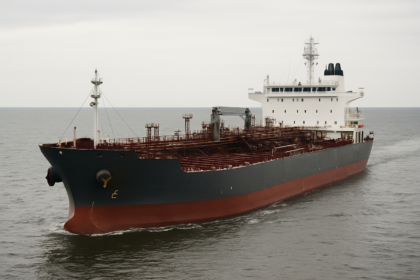
On November 14, 2026, President Donald Trump announced the extension of a waiver allowing foreign-flagged vessels to transport essential commodities between U.S. ports for an additional 90 days. This decision aims to address rising energy costs attributed to ongoing geopolitical tensions, particularly the situation in Iran, and operational issues at domestic refineries.
The Waiver Extension
The waiver, which will come into effect at 12 a.m. on Monday, removes the typically mandated requirement of the Jones Act that cargo must be moved by U.S.-flagged vessels. This step occurs just two days before the previous waiver was scheduled to expire, ensuring uninterrupted operations for energy companies and traders dependent on efficient transportation of goods.
The decision reflects ongoing concerns within the administration regarding high fuel prices and their impact on the economy. The recent midterm elections highlighted voter frustrations regarding living costs, further motivating support for policies aimed at reducing energy prices.


Impact on Shipping and Commodities
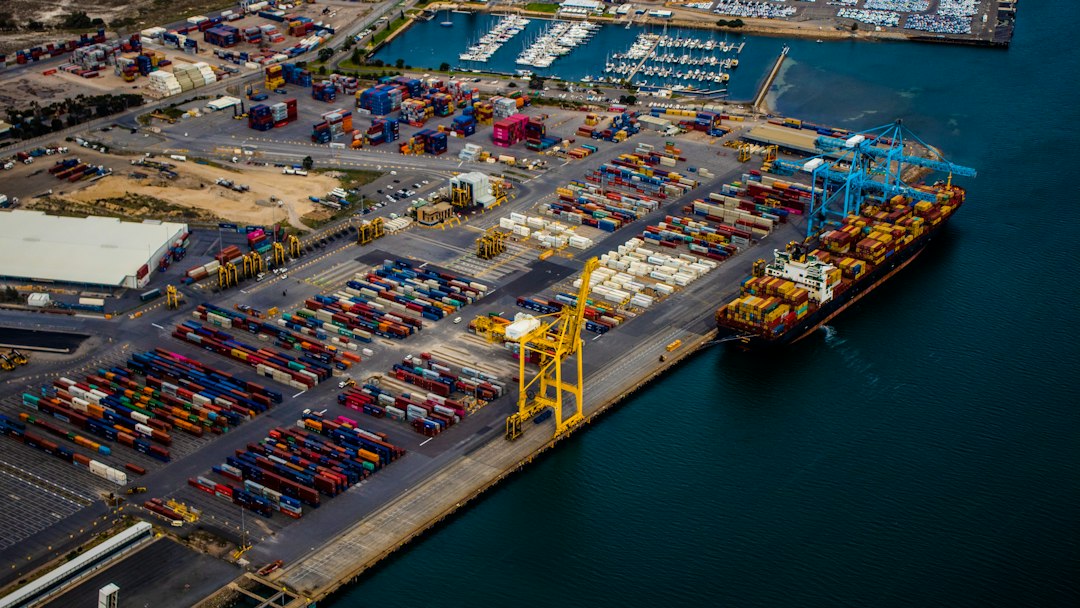
Since the first waiver was issued in March, data shows that there have been 338 voyages utilizing foreign vessels to transport supplies—including Texas crude oil to Pennsylvania and propane to Puerto Rico. Notably, California has emerged as the primary recipient of these shipments, receiving 23 million barrels of products compared to just 8 million barrels during the same timeframe last year.
Overall, the waiver has facilitated the movement of an additional 90 million barrels of products across U.S. ports, benefiting various fuels including gasoline, crude oil, and renewable fuels. Of the current waiver’s operation, approximately 13 million barrels have been affected, with gasoline and crude oil comprising significant portions of this volume.
Despite the advantages presented by the waiver, there are contrasting views among industry stakeholders. Shipbuilders and their advocates have raised concerns that extending the waiver undermines U.S. maritime interests, potentially damaging domestic shipping capacity. In response, the administration has modified the waiver parameters, mandating case-by-case consultations with the U.S. Maritime Administration to assess the availability of U.S.-flagged vessels for specific cargo movements.
Why It Matters
This continued extension of the waiver exemplifies the administration’s balancing act between immediate logistical needs and long-term maritime policy. While the policy may ease costs for energy and chemical companies, it poses significant implications for domestic shipbuilding and the maritime workforce. Operators must remain vigilant of regulatory changes and their potential impact on competition and operational flexibility. Future developments should focus on the effectiveness of the waiver’s current framework and whether it leads to broader discussions about the Jones Act’s relevance in today’s evolving market landscape.