China has initiated a series of amphibious landing drills in Fujian Province, specifically in Dacheng Bay, incorporating civilian vessels into a floating bridge structure for troop landings. The exercise, ongoing for several weeks and observed via satellite imagery, is noteworthy for its potential strategic implications, particularly as local elections in Taiwan approach.
The Contents of the Drill
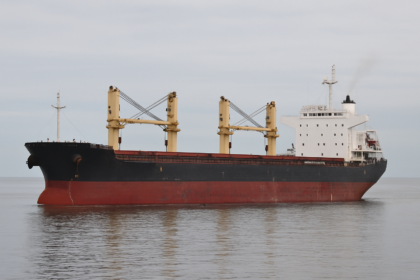
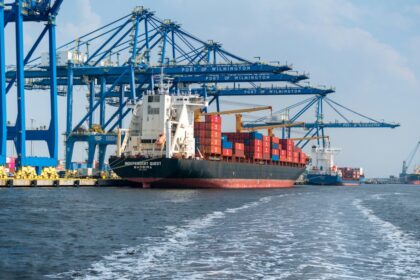
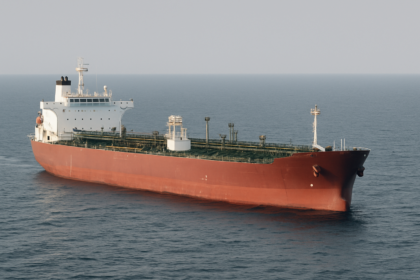
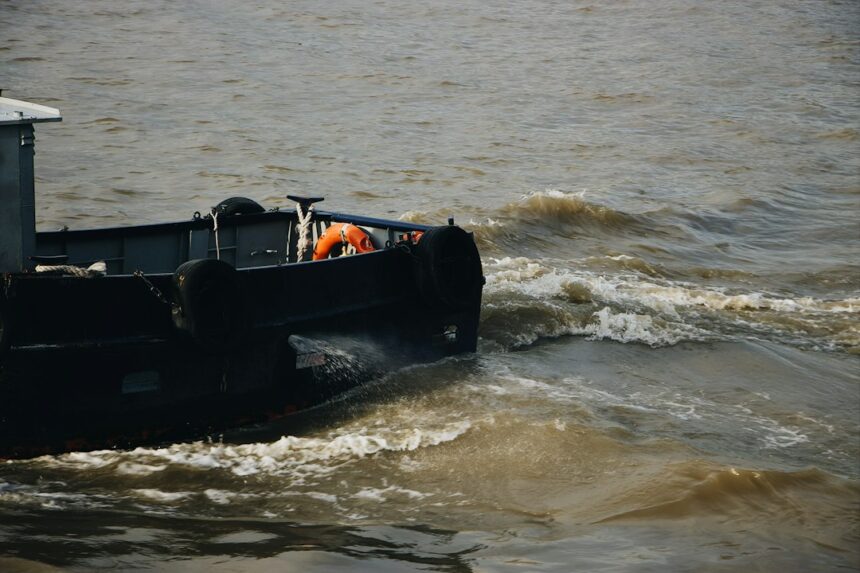
According to analysis from the geospatial data firm ingeniSPACE, the drills, first detected on November 1, feature low-signature methods aimed at logistical support for possible military operations against Taiwan. The analysis revealed that eight civilian vessels, including four barges and two semi-submersible ships, participated alongside landing craft and support vessels. This maneuvering created a makeshift floating bridge approximately 800 meters in length without the utilization of dedicated military bridging equipment.
This use of civilian assets may reflect a tactical evolution by the People’s Liberation Army (PLA) to enhance operational flexibility during potential conflict scenarios, including an invasion of Taiwan. As indicated by Jason Wang, COO of ingeniSPACE, leveraging civilian ships could allow for strategic deployment locations along the Taiwanese coastline.

Strategic Context and Implications
While the drills are described by a senior Chinese security official as routine preparations targeting contingencies along the first island chain, the timing raises questions concerning the broader implications for Taiwan and regional stability. Notably, China’s defense ministry reaffirmed the legitimacy of its military training, maintaining that such operations are standard practice.
The close proximity of these drills, occurring just 280 kilometers from Taiwan’s main island, further complicates the security landscape. Taiwan’s defense officials are examining the situation closely, assessing how the use of civilian vessels in military exercises may affect security across the Taiwan Strait.
The Operational Read
This drill signals a significant shift in amphibious assault strategy, emphasizing the military’s capability to adapt civilian maritime resources for tactical operations. For military planners, the implications are considerable; the use of civilian vessels increases operational versatility while reducing detection risk. This development necessitates heightened vigilance from regional stakeholders, particularly Taiwan, which must recalibrate its defense postures and readiness in response to evolving Chinese military strategies. The outcome of these exercises will be pivotal in understanding the future dynamics of cross-strait relations and military preparedness.