The shipbuilding industry is experiencing a historic surge in newbuilding activity, with the global orderbook set at a record 172.3 million CGT by the end of October 2026, marking a 24% year-over-year increase and eclipsing the previous peak from 2007-2008.
Orderbook Breakdown
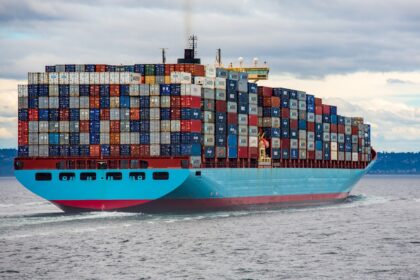
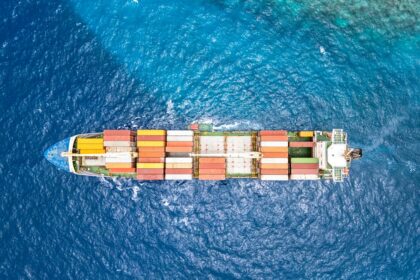
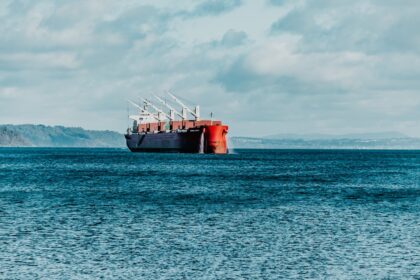
According to data provided by shipbroker Banchero Costa, this unprecedented orderbook consists of 5,488 ships. The composition of the orderbook reveals a dominant share for containerships, which account for 37.1% of the total. Notably, LPG carriers lead the orderbook relative to their fleet size at 40.8%, followed closely by containerships at 40.3% and LNG carriers at 38.7%. The orderbook’s rapid growth is particularly pronounced in the crude tanker segment, which has expanded from 15% to 29.2% of the fleet.
Future Projections
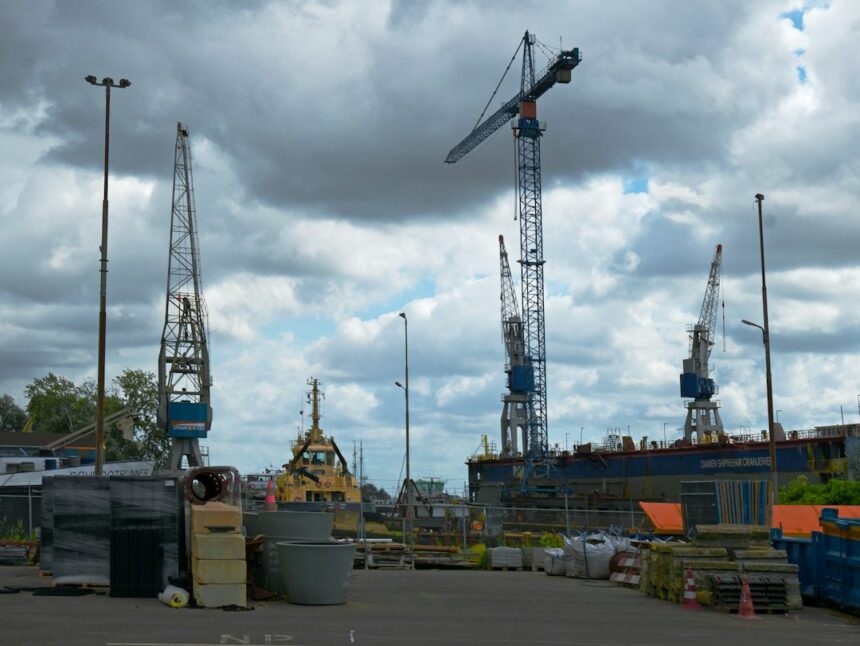
Contracting activity for the year showed impressive growth, with 50.9 million CGT ordered from January to October 2026, driven primarily by crude tankers, LNG, LPG carriers, and bulkcarriers. Chinese shipyards have maintained their dominance, responsible for 73.5% of new orders, while South Korea continues to lead in the construction of LNG and LPG vessels.


Deliveries for the year accumulated to 31 million CGT—a 14.2% increase compared to the previous year. The incoming schedule shows a projected increase to 52 million CGT in 2027 and 61.3 million CGT in 2028, both records surpassing previous highs.
Market Dynamics and Financing Considerations
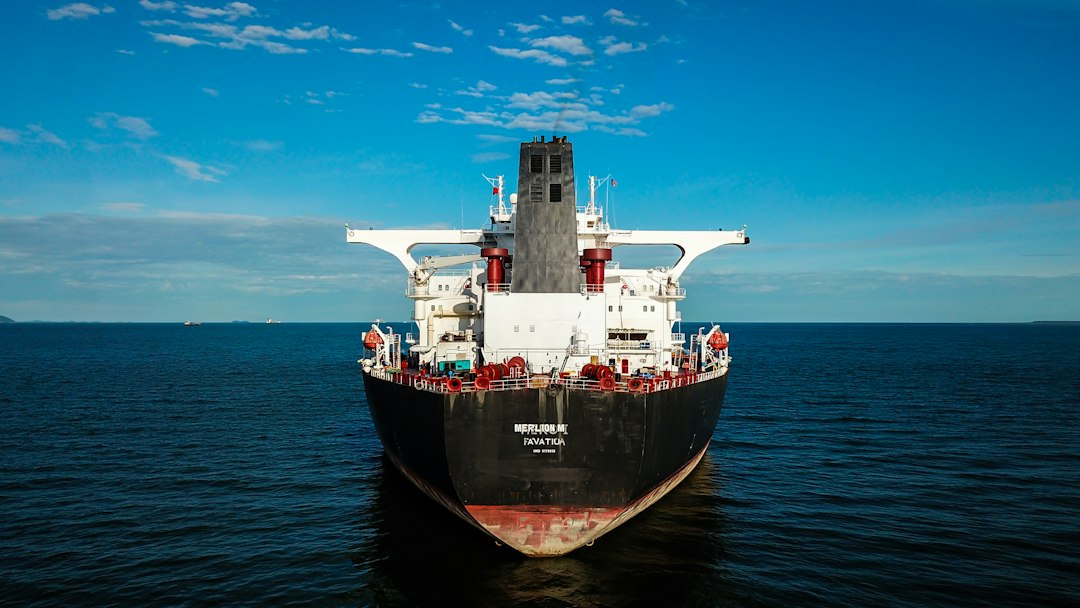
While vessel prices have remained stable, with VLCC prices around USD 131 million (a 6.9% year-over-year rise), challenges loom in the freight markets as support factors might diminish. Industry experts cautioned that forthcoming year-on-year comparisons could reveal stress points, especially for crude tankers and containerships, following the projected stabilization of delivery schedules post-2027.
Additionally, it is noteworthy that average lead times for newly ordered vessels have now reached 33.6 months, with over half of these vessels (55%) scheduled for delivery in 2029 or later. The current low rates of vessel demolition—2.6 million DWT of bulkcarriers this year—highlight a sluggish pace of fleet renewal, as a significant fraction of the Aframax and VLCC fleets approach critical end-of-life stages.
Behind the Headline
The current newbuilding boom reflects both heightened demand across various maritime sectors and persistent supply chain challenges. For operators, the lengthened lead times point to potential delivery bottlenecks as shipyards remain saturated through the decade’s end. Market participants must navigate the dual pressures of stable newbuilding prices against the backdrop of anticipated freight market shifts. The upcoming years will test the stability of vessel demand, making the balance between new orders and fleet effectiveness crucial for maritime firms operating in a volatile global economy.