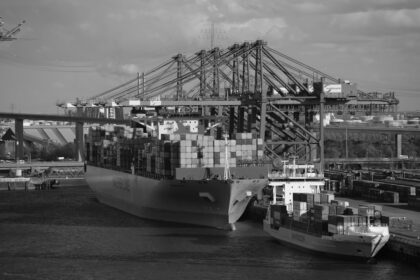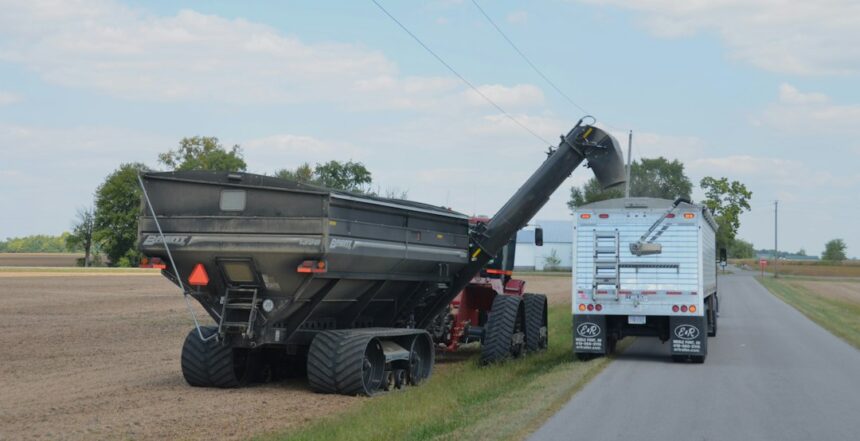
Estonia, Latvia, and Lithuania have formally proposed an EU-wide ban on Russian grain transit, seeking to prevent Moscow from utilizing European transport networks for agricultural exports. This initiative comes in response to ongoing disruptions in the Black Sea, which have led to significant shifts in regional grain flows, complicating the agricultural trade landscape.
The Proposal
The three Baltic states collectively submitted a joint letter addressed to European Council President António Costa and European Commission President Ursula von der Leyen. In the letter, they outlined the rationale for the proposed ban, emphasizing the need for a unified European response to the challenges posed by Russian agricultural practices in light of recent geopolitical tensions.
Both the ongoing conflict in Ukraine and recent events affecting shipping routes in the Black Sea have heightened the urgency of this proposal. Disruptions in sea lanes have already influenced grain availability and pricing across Europe, raising alarms for Baltic nations dependent on their agricultural sectors.

Market Implications
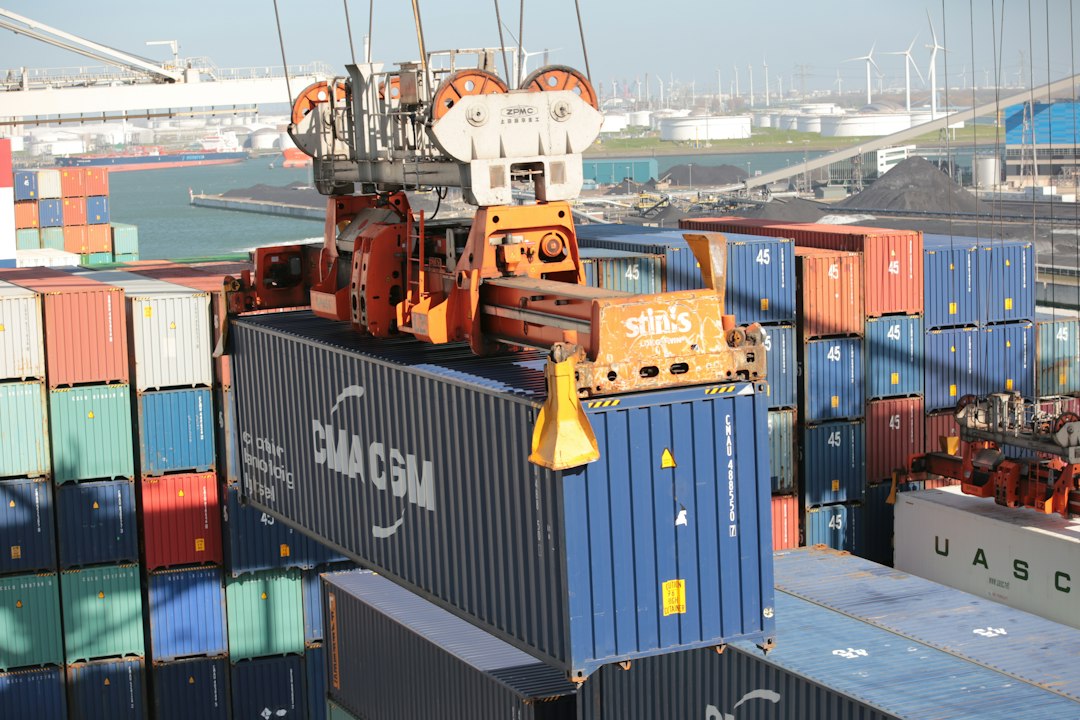
If implemented, the ban could significantly impact the flow of agricultural products within continental Europe. It would likely force a recalibration among exporters and importers, potentially altering supply chains that previously relied on Russian grain exports through EU ports. Key stakeholders, including grain producers and shipping operators, may need to adapt their logistics and procurement strategies accordingly.
The move further solidifies the stance of the Baltic states amid ongoing security concerns regarding Russian influence in the region. The potential shift in grain transit routes could also affect global market dynamics, as countries dependent on Russian exports seek alternative supply sources.
Regional Response and Future Actions
Regional agricultural producers and logistics operators are advised to monitor the development of this proposal closely. Should the EU act on the Baltic states’ recommendation, discussions within the EU Council regarding agricultural policy may lead to broader implications for trade practices and safety measures in the agricultural sector.
Behind the Headline
The proposed ban on Russian grain transit by the Baltic states reflects not only a strategic maneuver in the ongoing geopolitical landscape but also underscores the operational realities facing agricultural logistics. For operators reliant on regional trade networks, the ban could necessitate inventive solutions to navigate potential disruptions in supply lines. Attention must now focus on recognizing how the EU will respond and whether further restrictions may emerge. The evolving regulatory framework around agricultural trade, particularly in conflict-impacted regions, is an essential area for stakeholders to monitor as the situation develops.