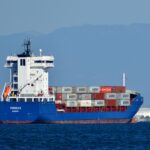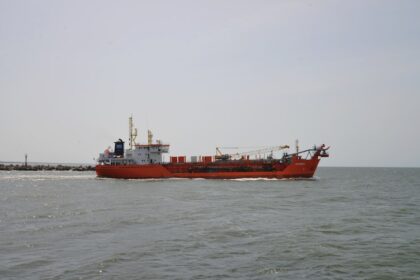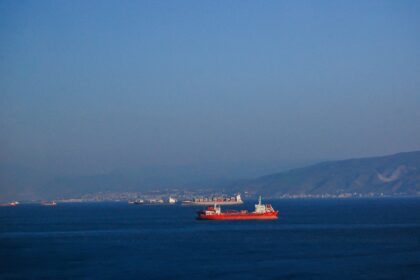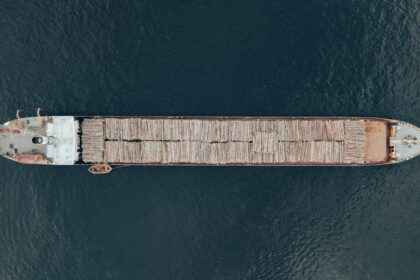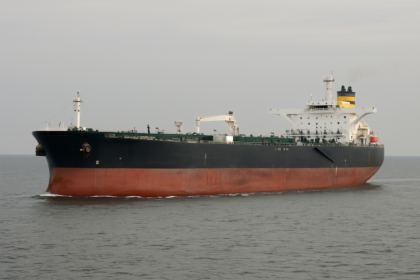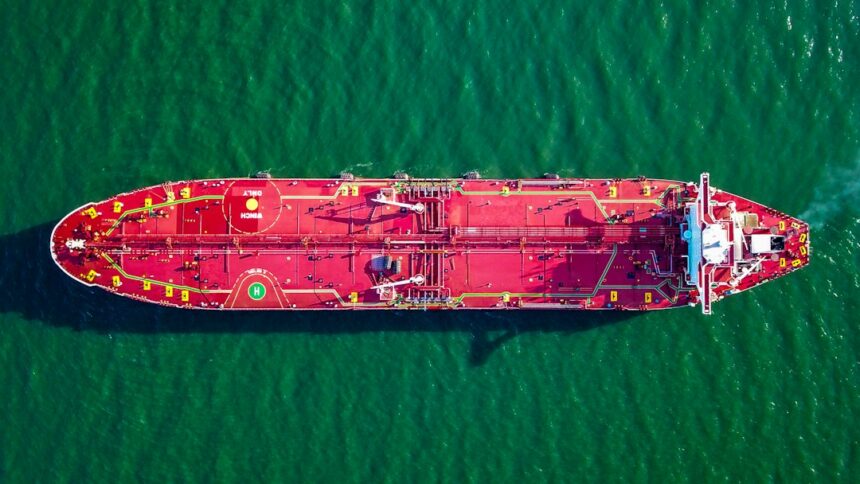
Tanker attacks in the Middle East have surged, reaching unprecedented levels since the onset of conflict, according to a recent report by shipbroker Gibson. The report details that within the last week, the number of such incidents has escalated, notably extending into the Gulf of Oman and Arabian Gulf regions. This uptick comes on the heels of the UN General Assembly’s failure to yield diplomatic progress, suggesting that strategic hostility may drive Iran’s resurgence in targeting tankers.
The Scope of Attacks
Gibson has documented a staggering total of 95 attacks on tankers in this region, which also includes Iranian-flagged vessels. The true number of incidents is likely higher, given the likelihood of suppressed reporting. Damage to vessels has varied widely, from superficial impacts to severe harm requiring extensive repairs or leading to total loss. Over just 12 days, nine Very Large Crude Carriers (VLCCs) have been attacked, amplifying concerns regarding maritime security.
The operational landscape for tanker operators has shifted significantly, as these assaults are prompting an increase in both insurance premiums and freight rates. With each attack, vessel supply is expected to tighten further, as more ships are taken out of service for repairs, which may lead to elevated shipping costs across critical oil transit routes.


Wider Geopolitical Implications
The Middle East is currently the center of increased maritime threats; however, attacks have not been confined to this area. The Black Sea has also seen frequent attacks against Suezmaxes and Aframaxes loading crude oil from Russian ports. On average, vessels that were attacked here experienced significant downtime, with nearly two months spent before returning to loading operations.
As tensions remain heightened, even isolated incidents could have a ripple effect across trading networks, especially for vessels transporting oil from the region. While some vessels have been swiftly patched and returned to service, the longer-term implications may involve strategic shifts in shipping routes and logistics practices to mitigate risk.
The Operational Read
For operators in the maritime sector, the implications of rising attack rates are profound. Increased insurance costs, alongside tighter vessel supply, could lead to prolonged operational challenges. The necessity for accurate tracking, as many ships go dark post-incident, complicates risk assessment and response strategies for charterers and ship owners. Vigilance in monitoring regional developments is imperative, as geopolitical tensions are expected to dictate shipping activities. The evolving risk landscape necessitates adaptive logistical planning, particularly for operators reliant on routes through the Gulf of Oman and Hormuz.