Update 10 Nov 2026, 18:32 UTC:
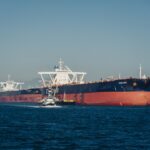
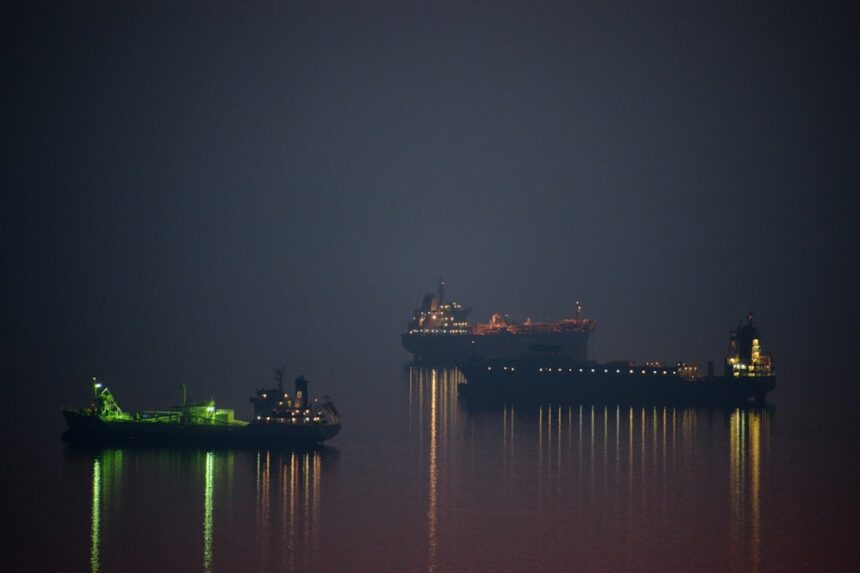
A vessel operated by ADNOC Logistics & Services was damaged in an attack within UAE territorial waters on November 10, a development underscoring deteriorating security conditions in a region experiencing a surge in maritime incidents. ADNOC confirmed that one of its vessels sustained damage, with ongoing response operations initiated, though specific details regarding the extent of the damage or the identity of the vessel have not been disclosed.
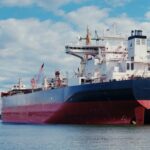
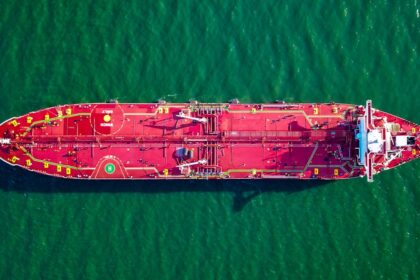
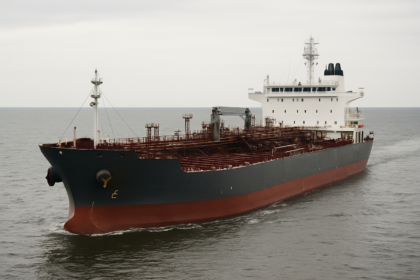
Simultaneously, the United Kingdom Maritime Trade Operations (UKMTO) reported a separate incident involving a tanker that was struck by an unidentified projectile approximately 19 nautical miles northeast of Lima, Oman, near the strategically vital Strait of Hormuz. According to UKMTO Warning 201-26, the strike occurred at 1338 UTC on the same day, but the organization did not identify the vessel or confirm the origin of the projectile. Fortunately, all crew members were reported safe, and a damage assessment was planned for the following morning.

The Recent Surge in Attacks
These incidents are part of an alarming trend along the Omani coastline of the Strait of Hormuz, where commercial vessels have been subjected to projectile strikes and other hostile actions. Notably, on November 7, another tanker was reported to have caught fire northwest of Khasab, Oman, prompting crew evacuation. UKMTO initially characterized this event as an attack based on military sources.
According to the Joint Maritime Information Center (JMIC), the frequency of these maritime threats has escalated in recent weeks, with five recorded attacks near Oman’s Musandam coast since November 1, and significant threats continuing to emerge. Notably, JMIC emphasized that maritime security incidents have reached a total of 177 across the region since March 1, a number that includes both suspicious activity and military enforcement beyond attacks on merchant vessels alone.
Impact on Maritime Operations
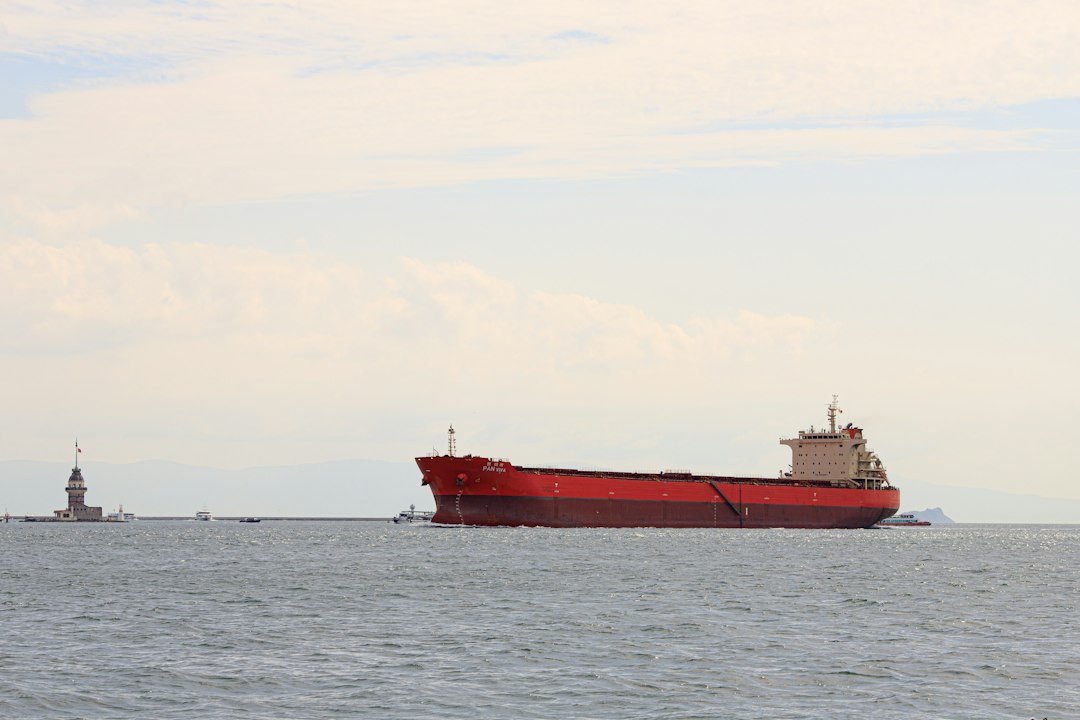
The implications for commercial shipping in the region are significant. The current security situation has dramatically limited maritime traffic through the Strait of Hormuz, leading to daily transits reflected in low double digits, starkly contrasting with the historical average of about 138 vessels per day in 2025. Recent figures from U.S. naval shipping coordination indicate a total of 91 U.S.-facilitated transits from November 5 to 7, averaging approximately 30 per day, highlighting a cautious approach from operators amid rising threats.
As the number of vessels reported anchored near Fujairah and Khasab increases, with an estimated 162 awaiting clearance due to operational risks, several shipping companies are reconsidering their routing strategies. The U.S. and allied nations are likely to remain vigilant in monitoring and supporting secure passage through these critical waters.
The Operational Read
The escalating incidents in and around the Strait of Hormuz present a complex operational landscape for vessel operators, crews, and charterers. Navigational routes through this area are fraught with increased risk, forcing many operators to weigh emergency contingency plans against standard operational practices. The sustained lower levels of maritime traffic could indicate not only a shift in trading patterns but also heightened insurance and war-risk premiums, complicating operational costs. Stakeholders must remain alert to evolving security advisories, while considering alternative routing options and heightened operational readiness to mitigate risks. The situation requires close monitoring as maritime security threats persist.