Update 14 Nov 2026, 00:34 UTC:
In October 2026, the dirty tanker market experienced a significant surge in spot freight rates, largely driven by record highs in Very Large Crude Carrier (VLCC) rates. According to OPEC’s latest monthly report, the constraints on tanker availability were exacerbated by trade dislocations and longer voyage durations.
Freight Rate Increases
VLCC freight rates spiked 33% month-on-month and exceeded 920% year-on-year, an unprecedented rise. On the Middle East-to-East route, rates averaged WS1,213, a 26% increase from September and more than thirteen times higher compared to October of the previous year. The West Africa-to-East route saw even more dramatic growth, with rates climbing 56% month-on-month to reach WS656, more than seven times higher than last year.

This surge in VLCC rates has led to a ripple effect across other classes of tankers. Suezmax rates, facing significant upward pressure, rose an average of 132% month-on-month, demonstrating the market’s responsiveness to the soaring VLCC costs. On prominent routes such as USGC-to-Europe, Suezmax rates averaged WS749, reflecting a 139% increase month-on-month and also marking a sevenfold increase year-on-year.
Aframax Market Dynamics
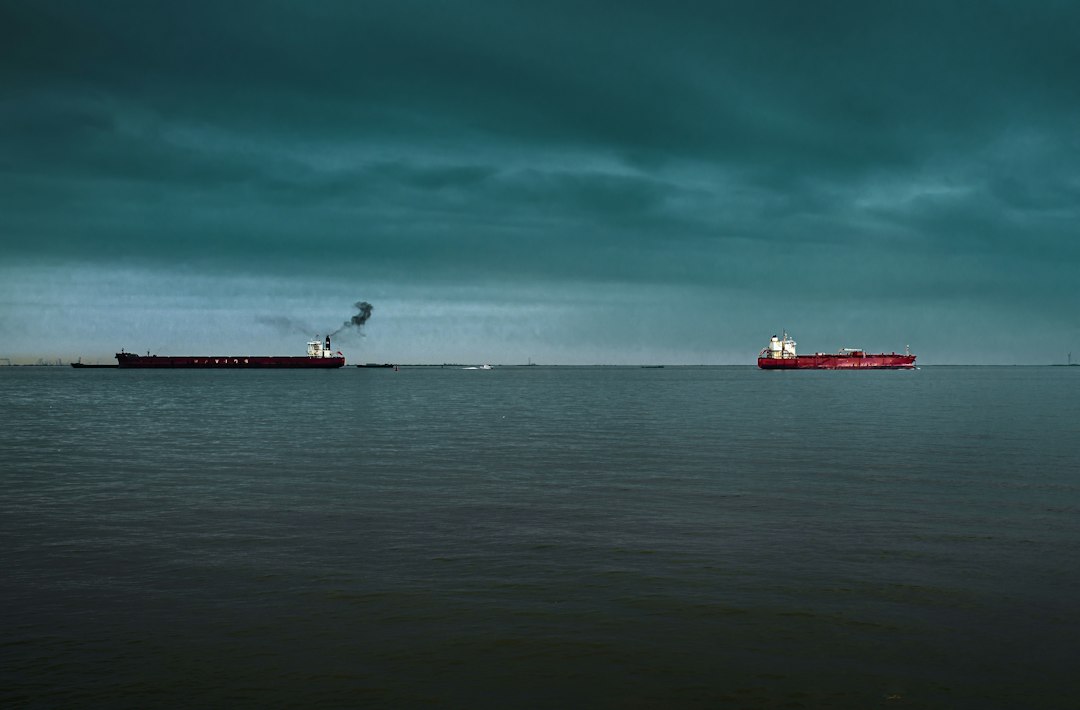
Aframax rates, though rising markedly, were somewhat insulated from the explosive growth seen in larger classes. Nevertheless, they increased by 91% month-on-month, nearing record levels observed earlier this year. The Caribbean-to-US East Coast route, for instance, reported a 94% month-on-month increase, averaging WS808, while rates on the Indonesia-to-East route surged by 141% month-on-month, reaching WS740.
The clean tanker market, though initially less affected, began feeling the pressure from the high rates in crude transport, leading to an overall increase in clean tanker rates by 51%. This trend indicates that rising crude freight rates are starting to influence the clean sector, potentially complicating operational dynamics for operators.
Market Outlook
As the tanker market evolves, the ongoing issues of disrupted volumes and export inefficiencies remain significant factors contributing to market volatility. The essential takeaway for operators is the critical need for preparedness in a landscape of fluctuating rates and constrained supply.
Behind the Headline
The substantial increase in tanker spot freight rates for October reflects a dynamic interplay of market forces, including high demand for crude oil and the limited availability of tankers. Operators must navigate these challenging conditions while managing charter party agreements that may now require renegotiation to accommodate rising costs. The pressure on both dirty and clean tanker segments emphasizes the urgency for shipping lines to optimize vessel utilization and enhance operational efficiencies to sustain profitability in an increasingly competitive environment.