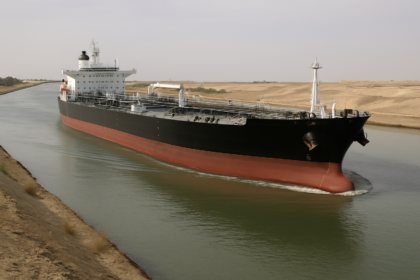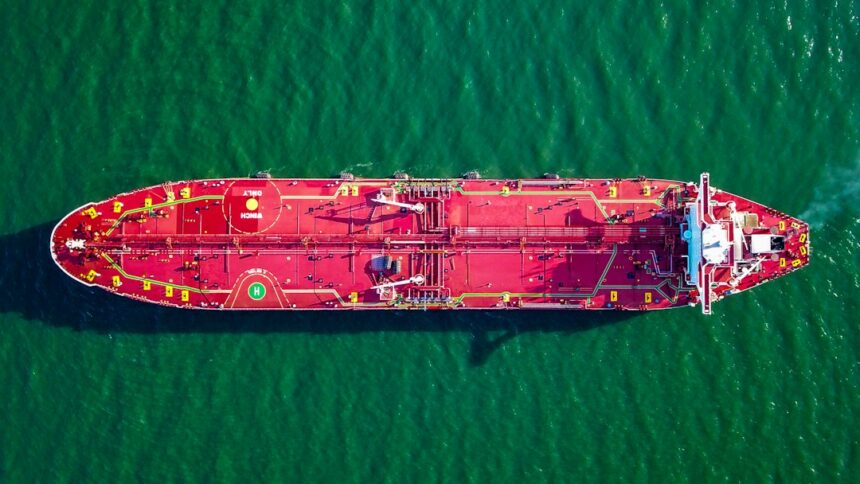
Dirty tanker rates have witnessed a rebound across midsize segments, prominently led by a surge in Aframax demand from the US Gulf. This stabilization occurs as various dynamics in tanker markets shift, with significant consequences for freight rates.
The Aframax Surge
Rates for Aframax vessels in the US Gulf doubled this week, reaching $17.51/bbl. The increase can be attributed to record loadings and tight tonnage, signaling strong demand in this particular segment. Conversely, competition from larger Suezmaxes on transatlantic routes could temper future gains for Aframax rates.
Mixed Signals Across the Market
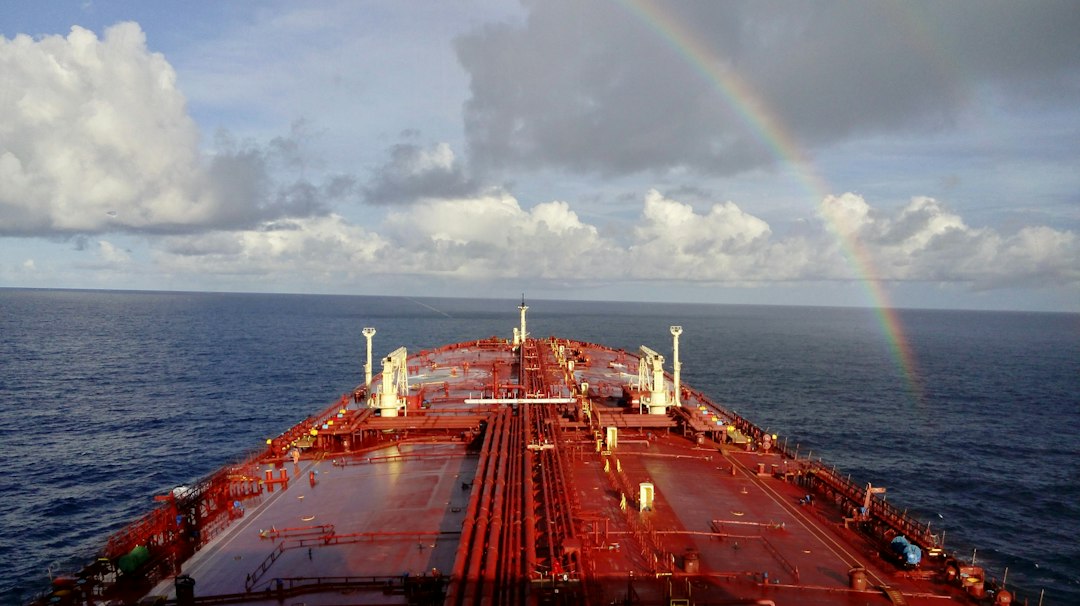
While dirty tanker rates have surged, clean product markets are experiencing a downturn. Clean MR rates on Western and Asian routes weakened due to rising gasoline inventories and cooling buying activity, with rates in the UKC plunging by 40% to $6.81/bbl. Additionally, the LR2 segment sees rates rising to $26.58/bbl, albeit with expectations for a slight dip in the coming weeks as demand in Asia weakens against improving petrochemical margins.

In the Middle East Gulf (MEG), VLCC rates have levelled off at $29.62/bbl, stabilizing after earlier fluctuations. This has occurred despite geopolitical tensions affecting shipping operations, particularly with the ongoing threats from Houthi forces in the Red Sea and recent unconfirmed attacks on Saudi infrastructure. As a result, VLCC supply and demand metrics show signs of stabilization, yet operators remain cautious.
Future Outlook
As the market seeks a new equilibrium, the potential for Saudi crude exports to pivot towards lower-risk Red Sea ports increases. Current freight levels reflect a more loosened tonnage balance, with loadings in the MEG falling below operational capacity for the first time since July. Operators are advised to monitor the evolving dynamics closely, especially concerning geopolitical developments and their subsequent impact on shipping flows.
Behind the Headline
The recent developments in dirty tanker rates reveal the complex interplay of demand, supply, and geopolitical factors shaping the maritime landscape. For operators, the rise of Aframax rates in the US Gulf underscores the importance of regional demand surges, whereas the simultaneous decline in clean product rates illustrates the market’s sensitivity to inventory fluctuations. Going forward, the strategic decisions made by operators in light of these changing dynamics will be crucial in navigating the ongoing volatility and optimizing freight operations.