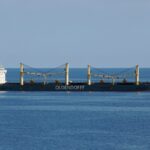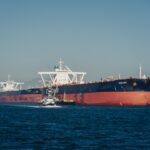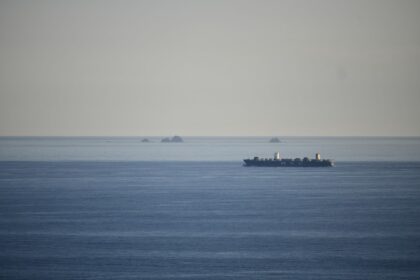
On November 18, U.S. Central Command (CENTCOM) issued a new advisory expanding the maritime blockade targeting Iranian oil exports. The advisory stipulates that any ship engaged in ship-to-ship transfers involving cargo loaded at Iranian ports may be considered to be evading the blockade, regardless of whether they have entered Iranian waters.
The Advisory
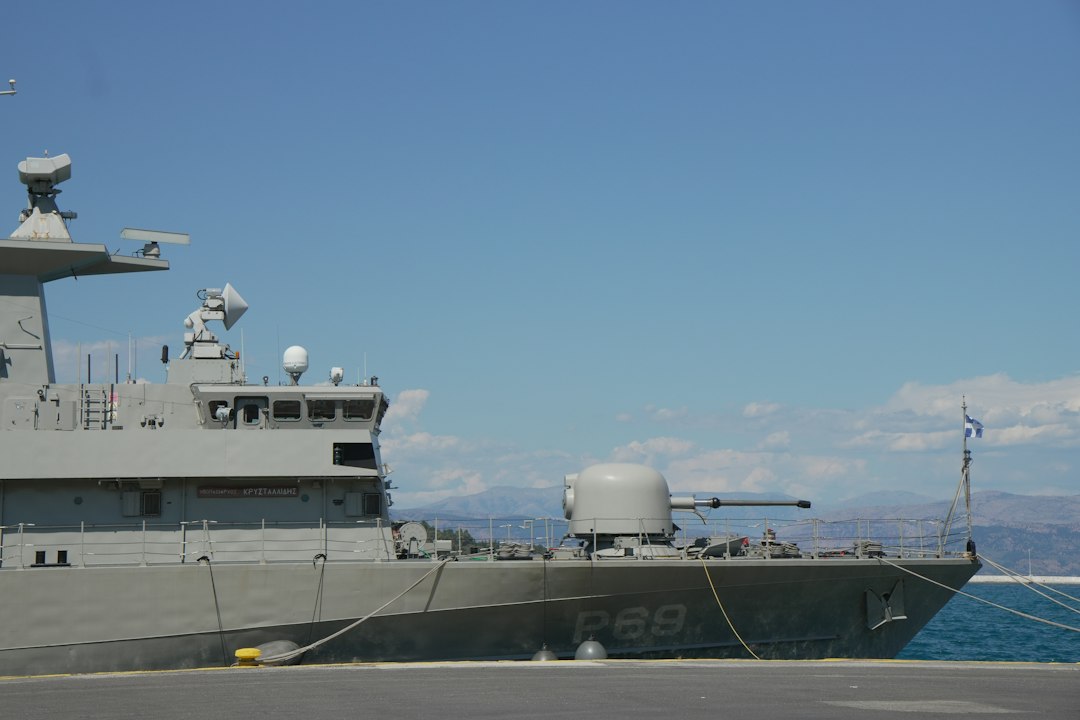
CENTCOM’s announcement highlights a stringent approach toward maritime traffic connected to Iran. Vessels found engaging in such ship-to-ship transfers could face actions including stoppage, boarding, diversion, or even capture and direction to the Iranian port of origin. The advisory underlines the U.S. military’s intention to enforce the blockade effectively, particularly in light of ongoing tensions in the region.
Background of the Blockade
The U.S. first imposed a naval blockade on Iran’s oil exports on April 13 but temporarily lifted it in June after reaching a draft understanding with Tehran. However, that agreement faltered, leading to the blockade being reinstated on July 14. Shipping intelligence indicates that while Iran has managed to export certain products since July, its crude exports have largely stagnated. This scenario illustrates the challenges facing operators in maintaining compliance with the expanding blockade.

Operational Implications
The renewed emphasis on enforcement actions poses significant operational risks for shipping companies. With heightened scrutiny in transits, operators must ensure strict adherence to compliance protocols to avoid potential boarding or enforcement action by U.S. naval forces. As these regulations become increasingly stringent, vigilance in monitoring vessel cargo and compliance with maritime laws will be imperative for successful operations in this geopolitically sensitive area.
The Operational Read
The tactical shift in U.S. maritime policy regarding Iranian ship-to-ship transfers reflects a growing urgency to control illicit oil exports and maintain regional stability. Operators must now assess not merely their routes but also the legitimacy of cargo origins actively. The potential for enforcement action against vessels could lead to increased war-risk premiums and necessitate contingency planning for rerouting. Shipping lines will need to closely monitor the evolving situational landscape, especially as compliance thresholds rise, to mitigate operational disruptions.