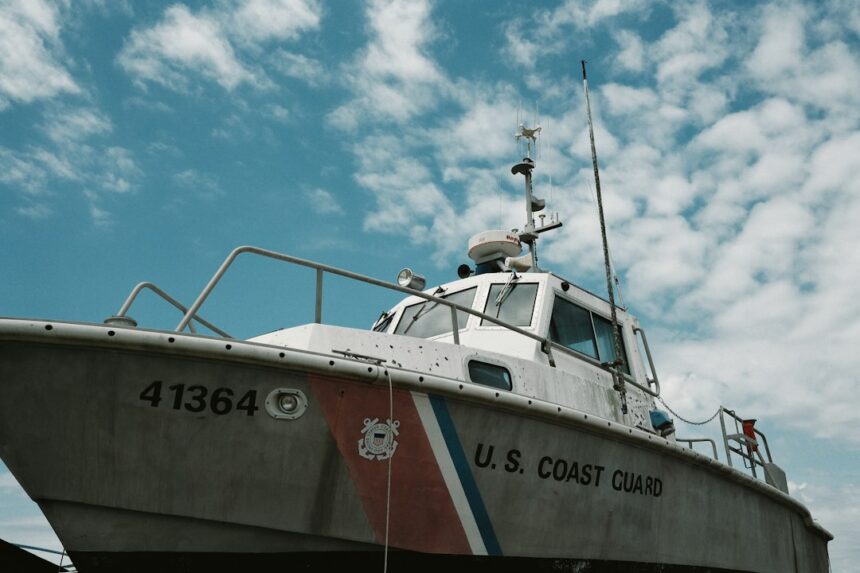
The USCGC Healy, the U.S. Coast Guard’s largest icebreaker, experienced a catastrophic engine failure and fire in July while operating northwest of Port Angeles, Washington. This incident, recently detailed in procurement records, has resulted in significant operational implications for the vessel.
The Incident
Procurement documents reveal that on July 13, the Healy suffered a catastrophic overspeed failure of its #2 main propulsion diesel generator, which triggered a fire in Generator Room No. 2. The damage from this incident necessitated extensive repairs to the electrical and fire-detection systems aboard, as well as corrective maintenance on two other generators. Following the incident, the Coast Guard towed Healy back to its homeport in Seattle. The incident was formally announced by the Coast Guard on July 24, which indicated that the vessel would undergo major repairs and would be the subject of an investigation.
As a direct result of the engine failure, the vessel’s planned 2026 high-latitude summer mission was abandoned, hampering U.S. capabilities in Arctic operations during a season marked by increased maritime activity.

Repair and Maintenance Requirements
Procurement records issued in October outlined the scope of repairs needed following the incident. To address the overspeed failure, immediate corrective action has been recommended for the protection devices and governor equipment on both generators No. 1 and No. 3. Additionally, a separate procurement document identified the necessity for an overhaul of the fire-detection system in the generator room, as the fire caused extensive damage to cables and components pivotal to safety operations.
The document indicated that all damaged equipment and wiring in the upper section of Generator Room No. 2 must be replaced. This included sophisticated systems like the Siemens FireFinder XLS, which will undergo complete overhauls at Coast Guard Base Seattle, with work expected to complete by October 16.
Operational Implications
The operational implications of Healy’s incident are significant not only for the vessel but also for the Coast Guard’s Arctic mission framework. The loss of the icebreaker for its high-latitude mission necessitates a greater dependence on newer icebreakers, exacerbating pressures on U.S. resources in the increasingly strategic Arctic environment. The incident highlights vulnerabilities in the aging icebreaker fleet, raising concerns about the Coast Guard’s overall readiness to respond to maritime challenges in these critical regions.
The Operational Read
The challenges faced by the USCGC Healy illustrate the critical importance of maintaining operational readiness among icebreakers, especially in the context of heightened geopolitical activity in the Arctic. The need for extensive repairs indicates systemic issues that could affect operational output during peak seasons. Marine operators, crews, and charterers will need to recalibrate their plans in light of Healy’s absence, potentially leading to increased reliance on other assets. Future maintenance practices may need reassessment to enhance the longevity and reliability of existing icebreakers, especially as demand for Arctic operations grows.