Guinea has unveiled plans to develop a $1.9 billion deep-water port, strategically aimed at enhancing its position as a regional trade hub. This announcement follows the significant progress made with the Simandou iron ore project, highlighting the country’s ambition to capitalize on its extensive mineral resources.
Project Overview and Financing
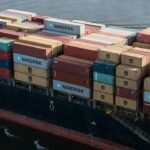
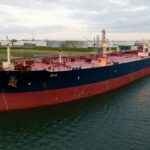
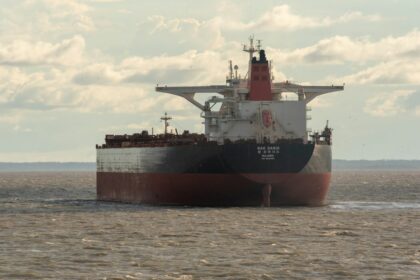
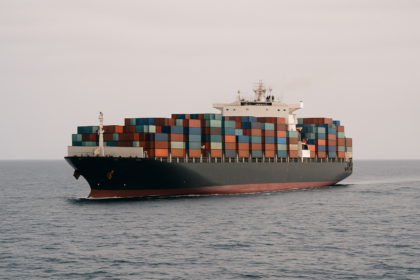
The deep-water port is projected to feature a 20-meter draft capable of accommodating 200,000-metric-ton Capesize vessels. Mines Minister Bouna Sylla confirmed that the government has concluded feasibility studies and is now engaging multiple potential financiers, including the US International Development Finance Corporation, various Chinese investors, and financial institutions such as the World Bank and the African Development Bank.
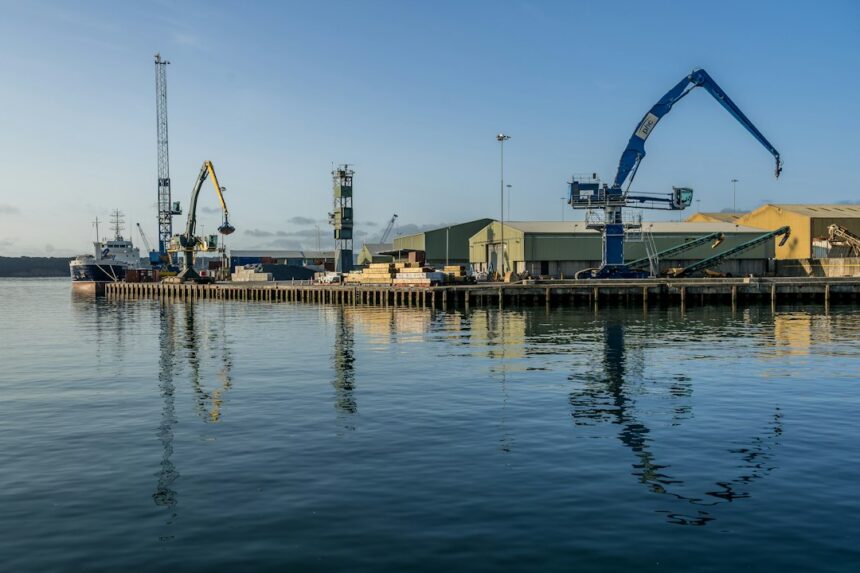
Although no timeline has been provided for investor selection or construction commencement, the government emphasizes the port’s role as a multi-user facility, which marks a significant shift in infrastructure strategy. Current operations often see individual mining companies create dedicated railways and terminals; the new port is expected to serve various industries, including container traffic and industrial operations.

Economic and Strategic Significance
The proposed port represents Guinea’s largest infrastructure initiative since the approximately $20 billion Simandou project, which already plays a crucial role in transporting ore from one of the world’s largest untapped mineral reserves. While the Simandou infrastructure primarily focuses on iron ore transport, the new port aims to diversify operations, thereby attracting a broader spectrum of commercial interests.
Minister Sylla underscored the importance of large-scale infrastructure developments, stating that the new port will facilitate enhanced support for mining, trade, and industrial development across the region. By fostering shared infrastructure that is not reliant on singular projects, Guinea seeks to redefine its logistics framework.
Market Implications
Guinea stands as the world’s largest producer of bauxite, yet existing mining activities have concentrated on individualized export facilities. This new port initiative signals a transition towards collaborative infrastructure that can significantly reduce costs for miners compared to dedicated transport routes. The government’s approach to diversify funding sources will enhance the attractiveness of the port for both local and international operators.
Behind the Headline
The planned deep-water port in Guinea represents a strategic shift towards multi-user infrastructure in a region often dominated by individual mining operations. For operators and logistics providers, this development could open new opportunities by reducing reliance on dedicated facilities, allowing for greater flexibility in cargo processing. As Guinea looks to secure diverse international investment and compete in the global minerals market, the effectiveness of its infrastructure plan will be closely monitored for its impact on regional trade dynamics and operational efficiency.