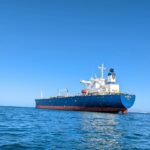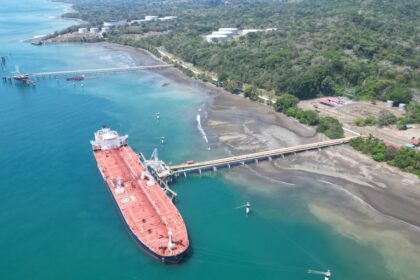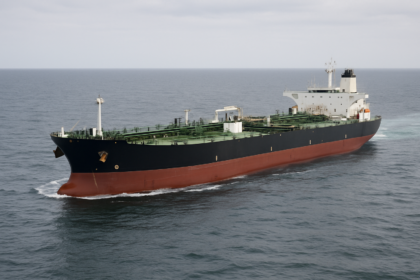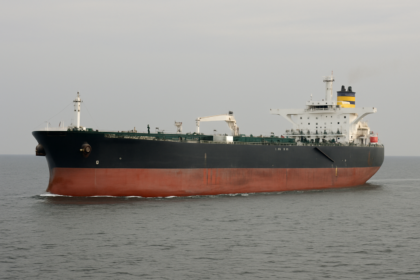
COSCO Shipping Energy Transportation has initiated a significant fleet expansion plan involving the construction of 24 very large crude carriers (VLCCs). The announcement, made on November 9, reveals that the Chinese tanker giant has contracted RMB9.48 billion (approximately $1.42 billion) for the construction of ten of these supertankers. Furthermore, the company plans to secure an additional 14 VLCCs through long-term bareboat charters.
Details of the Orders
The investment represents a strategic move by COSCO to bolster its operational capacity and respond to rising global oil transportation demand. The contracts will be managed by Hainan Cosco Shipping Energy, a wholly owned subsidiary of COSCO Shipping Energy. The expansion is expected to enhance lateral shipping capacity within COSCO’s fleet, catering to customer needs in the vital crude oil transport sector.
Market Context
The decision to expand the VLCC fleet comes at a time when the global shipping industry continues to recover from pandemic-related disruptions. The increased demand for crude oil and refined products, combined with supply chain adjustments, has heightened the necessity for robust tanker capacity. This wave of newbuilds may position COSCO favorably in a competitive market, where shipping rates and operational efficiencies are key for maintaining profitability.

Implications for the Industry
The strategic expansion reflects COSCO’s intent to leverage growth opportunities within the tanker market while maintaining operational flexibility through charter agreements. Such moves may influence broader market dynamics, particularly in VLCC rates and availability. It will be critical to monitor how additional capacity impacts shipping rates and fleet utilization in the coming months as the industry seeks to adapt to evolving demand patterns.
Behind the Headline
COSCO Shipping Energy’s fleet expansion highlights a significant shift in the strategic posture of major players within the tanker market. The addition of 24 VLCCs is not only a reaction to current demand but also a long-term positioning strategy in anticipation of future growth in fossil fuel transportation. For operators and charterers, the influx of new vessels could lead to increased competition and potentially impact freight rates. Monitoring the implementation of these contracts, along with changing global energy consumption trends, will be crucial in understanding the operational landscape in the near future.