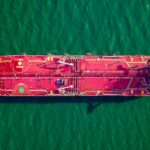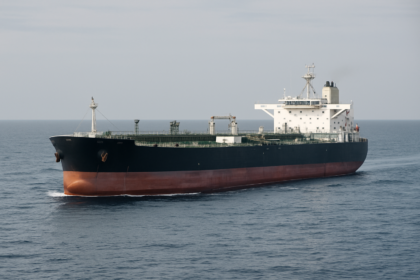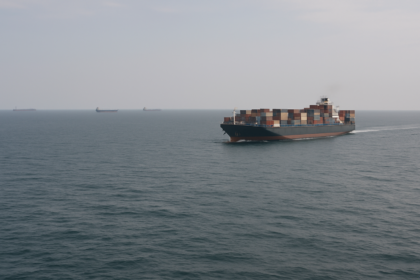
On November 7, U.S. Central Command announced that a military aircraft successfully fired on a St. Kitts-flagged cargo vessel in the Gulf of Oman, effectively disabling the ship. This action was taken after the vessel reportedly attempted to break the U.S. blockade against Iran, having exited an Iranian port. The aircraft targeted the stern of the vessel after the crew failed to respond to multiple warnings.
The Incident
CENTCOM stated that the commercial vessel ignored directives during its attempts to leave regional waters, prompting the military to intervene. This incident exemplifies the heightened tensions in maritime operations around Iran as enforcement of the blockade becomes increasingly strict. The U.S. military’s recent actions suggest a shift towards more aggressive measures against perceived violations of the blockade.

Wider Military Operations
In conjunction with this incident, U.S. Central Command announced the formation of a new task force aimed at crackdowns on Iran’s illicit movement of weapons and contraband, encompassing both land and maritime routes. This move is expected to enhance intelligence-sharing and operational coordination among allied naval forces in the region.

Regional Impact
The ongoing blockade has reportedly thwarted Iran’s ability to export more than $25 billion in crude oil, correlating with a broader U.S. strategy to exert economic pressure on Tehran. Nonetheless, recent threats from Iran concerning retaliatory actions against Gulf infrastructure heighten the operational risks for shipping operators in the area, spotlighting the precarious nature of maritime security within this politically charged environment.
The Operational Read
This incident highlights the operational complexities faced by commercial vessels navigating close to the Iranian coast amid U.S. military engagements. Operators must maintain stringent compliance with navigational directives and rapidly changing geopolitical landscapes, balanced against the risks posed by potential military intervention. The mounting threats from Iran further compound these challenges, urging shipping companies to strategically assess routes and enhance operational preparedness to mitigate risks, especially along critical maritime chokepoints.