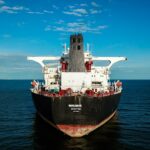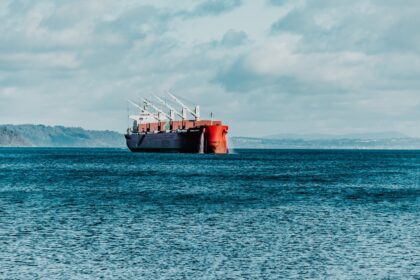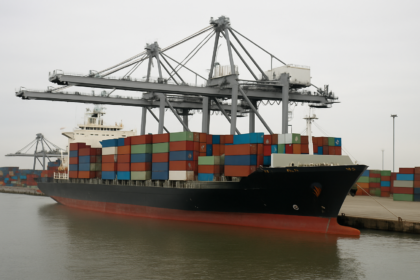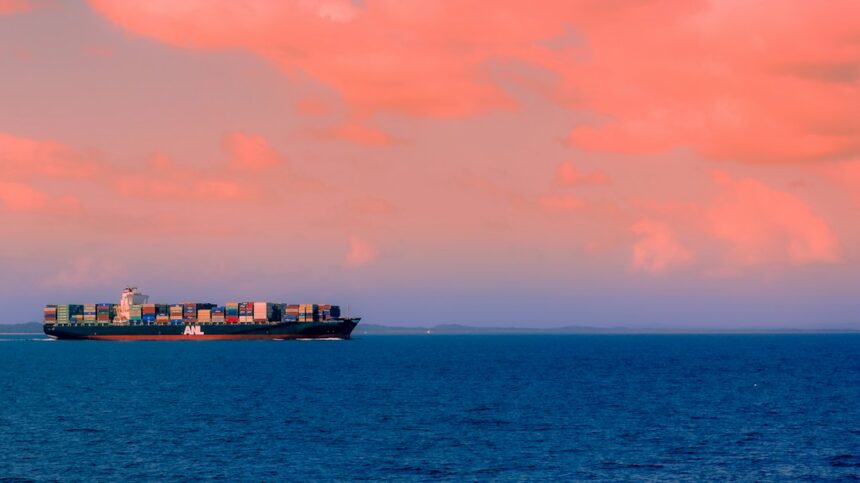
Norwegian shipowner Klaveness Combination Carriers (KCC) has announced a significant achievement in securing a three-year time charter for one of its Cleanbu combination carriers. The charter comes at a time when product tanker earnings remain exceptionally robust, indicating a strong market for this segment.
The Charter Agreement
The newly secured charter is characterized by a front-loaded rate structure, allowing for the highest earnings during the first year of the agreement. This strategic approach not only capitalizes on favorable current market conditions but also reflects Klaveness’s adaptive business model in an evolving maritime landscape.

Market Context
Product tanker markets have shown resilience, with vessel demand rising in response to global economic activities. Klaveness’s timely decision to engage in this charter underscores a confidence in sustained demand for clean petroleum products. The charter commenced immediately, positioning Klaveness favorably for the coming years as market dynamics continue to fluctuate.


Implications for Klaveness and the Shipping Sector
This charter agreement is a vital indicator of Klaveness’s strategic foresight, given that product tankers typically operate under conditions influenced by both global oil demand and economic recovery. As other players in the market observe Klaveness securing a premium rate, there may be increased competition for similar charters, potentially driving rates higher industry-wide.
Behind the Headline
The successful acquisition of a three-year charter at optimal rates indicates a proactive approach by Klaveness Combination Carriers amidst a generally strong market for product tankers. The front-loaded earning structure may become a standard practice as operators seek to maximize revenue in the initial contract phase. This development merits attention, as the shipping industry navigates the complexities of fluctuating demand and operational costs, especially with recent changes in global trade patterns. Observers should watch for potential ripple effects in charter rates and fleet deployment strategies across the product tanker sector.