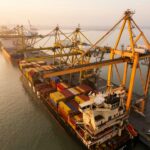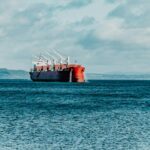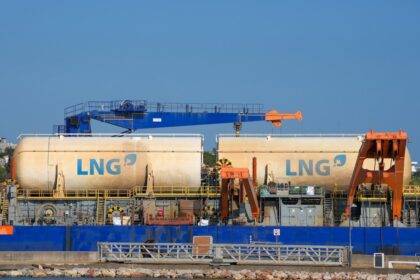
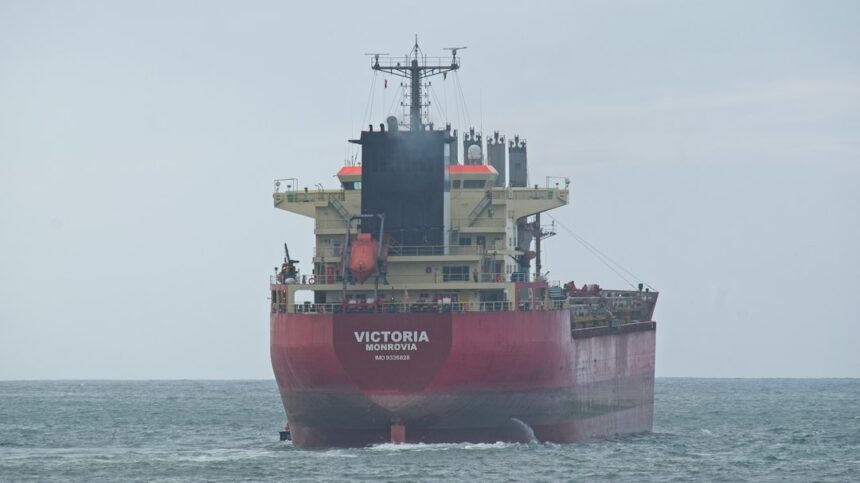
Prices for liquefied natural gas (LNG) carriers have seen a notable decline, with the benchmark newbuilding price reaching $245 million as of October 23, a decrease of $3 million from the same period last year. This downward trend comes despite a substantial rise in order volumes, with LNG carrier orders increasing more than 4.5-fold in the same timeframe.
Competitive Landscape
The drop in prices is primarily attributed to intensifying competition from Chinese shipbuilders, who are aggressively entering the premium vessel market. According to UK-based shipbuilding market intelligence provider Clarksons Research, this influx of Chinese competition is creating downward pressure on newbuilding prices for both LNG carriers and ultra-large container ships.
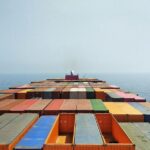
For example, prices for ultra-large container ships have decreased from approximately $266.5 million to around $242 million since last year. Chinese firms such as Yangzijiang Shipbuilding have made significant strides, transitioning from medium-sized vessels to securing orders for larger ships. Hengli Heavy Industries has also adopted a build-first, sell-later strategy targeting the LNG segment, constructing vessels ahead of securing buyers, which further complicates the pricing landscape.

Implications for South Korean Shipbuilders
South Korean shipbuilders are currently not experiencing an immediate impact on earnings due to this year’s financial outcomes reflecting vessels ordered at peak prices from approximately two years ago. HD Korea Shipbuilding & Offshore Engineering anticipates a third-quarter operating profit increase of 50.5% year-on-year, amounting to 1.5854 trillion won. Similarly, Hanwha Ocean and Samsung Heavy Industries expect profit growth of 86.5% and 8.9%, respectively.
However, a sustained decline in newbuilding prices poses a risk to profitability, particularly as existing higher-priced orders are fulfilled. The market is facing challenges with an oversupply of vessels and delays in major LNG production projects, such as Qatar’s North Field East, which are contributing to mismatches between vessel deliveries and available cargo volumes. This oversupply lowers the incentive for shipowners to pay premium prices for new constructions.
Future Outlook and Strategic Shifts
Industry experts suggest that South Korean shipbuilders must accelerate technological advancements and diversify their business models to secure a competitive edge against their Chinese counterparts. Looking toward 2029, as the capabilities of newer Chinese entrants become more apparent, this period may serve as a critical examination of the South Korean maritime industry’s competitiveness.
In response to these pressures, South Korea’s shipbuilders are broadening their scope, venturing into more sophisticated projects including small modular reactor (SMR)-powered vessels, offshore power generation installations, and floating liquefied natural gas (FLNG) production units.
Behind the Headline
The decline in LNG carrier prices and the increase in Chinese competition are significant developments that can reshape the maritime landscape. With many vessels ordered in earlier years now approaching delivery, South Korean shipbuilders face the challenge of maintaining profitability amid changing market dynamics. The rapid evolution of the competitive environment necessitates a strong focus on innovation and new product offerings to remain relevant in the global shipbuilding market. Operators must closely monitor these trends as they could impact charter rates and the overall supply-demand balance in the LNG sector.