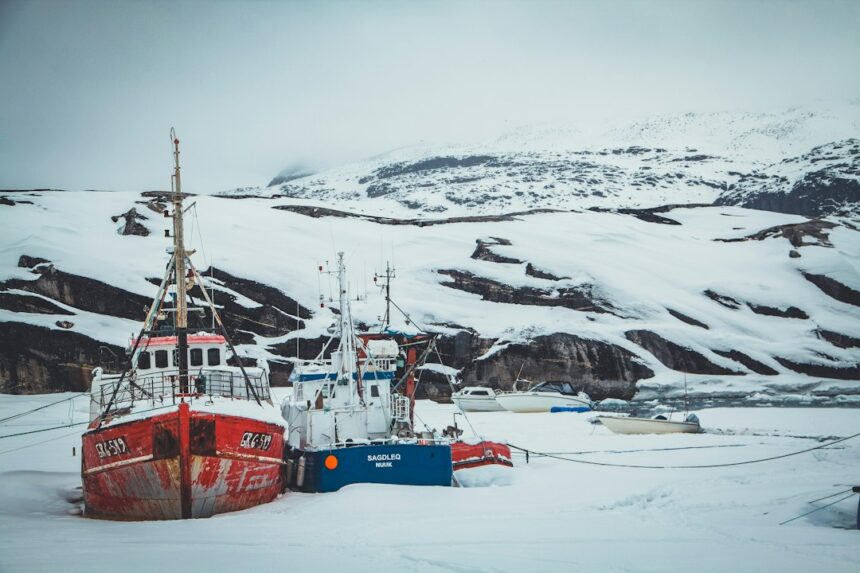
The European Union has signaled a notable shift in its approach to Arctic oil and gas production with its latest draft strategy, moving away from its previously strict moratorium stance. This change reflects ongoing negotiations with Norway, a significant player in Arctic energy exploration.
Strategic Changes
The draft, reviewed by primary sources, does not refer to a moratorium on new oil and gas drilling in the Arctic, contrasting sharply with the EU’s position in 2021, which expressed a commitment to keeping fossil fuels “in the ground.” Instead, the document prioritizes renewable energy sources while leaving the door open for selective hydrocarbon production outside of the Arctic.
Norway’s recent licensing activities, which include five exploration licenses awarded in the Barents Sea and the opening of 38 new blocks for applications in 2026, are central to this debate. The kingdom supplied approximately a third of the EU’s gas imports last year, highlighting its pivotal role in the bloc’s energy landscape.

EU’s Broader Commitments
The draft maintains the EU’s overarching aspiration to reduce reliance on fossil fuels, aiming for a legally binding target of a 90% reduction in net greenhouse gas emissions by 2040 compared to 1990 levels. Additionally, it calls for international measures to curb further development of Arctic resources that pose ecological threats.
Environmental groups argue that despite the omission of specific moratorium language, the EU’s intended message on climate change remains strong. Paal Frisvold, leader of the Alliance to Preserve the Moratorium on Oil Drilling in the Arctic, commented that the draft reinforces the EU’s determination to limit fossil fuel extraction, albeit without the explicit terminology used previously.
Market Reactions
The softened language could have significant implications for operators and investors in the Arctic oil and gas sectors. The possibility of renewed development aligns with growing global energy demands, yet it raises concerns among environmental advocates about the impact on delicate Arctic ecosystems.
The energy sector is watching closely as the European Commission continues to refine its strategy, which still stands against deep-sea mining until scientific knowledge gaps are addressed. Norway’s approval of seabed mining in 2024 further complicates this situation, as the region grapples with balancing energy needs and ecological sustainability.
Behind the Headline
This evolution in the EU’s Arctic policy underscores the ongoing tension between energy production and environmental stewardship within the region. Operators, particularly those in the Norwegian sector, may find new opportunities for development, yet they must navigate the regulatory shifts and the growing scrutiny from environmental groups. Future discussions should focus on how to reconcile the EU’s ambitious emissions targets with the realities of energy demands in a climate-constrained world, particularly in a resource-rich area like the Arctic.