The Russian government has announced an extension of its general ban on diesel exports until the end of January 2027, a move designed to maintain stability in the domestic fuel market. This decision was disclosed in a government statement on Saturday following the signing of the relevant decree.
Details of the Export Ban
Deputy Prime Minister Alexander Novak indicated that while the export ban remains in place, the government is preparing exemptions for specific suppliers to facilitate limited shipments to global markets. These exemptions were initially introduced in October 2026 and are expected to continue into November. However, the specifics of the decree detailing these exemptions have not yet been published.
The renewed restrictions come in the wake of discussions between U.S. President Donald Trump and President Vladimir Putin regarding the reintroduction of Russian diesel into global markets. In November, Russia is projected to export around 2.15 million tons of diesel, following about 510,000 tons shipped in October.

Geopolitical Context and Market Impact
The backdrop to these developments includes escalating tensions due to regular attacks on Russian refineries by Ukrainian forces, which Novak stated might lead to a reduction in overall export volumes. Although he downplayed the significance of potential cuts, the risks associated with the ongoing conflict could heighten market uncertainty.
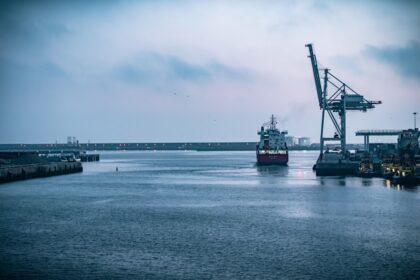
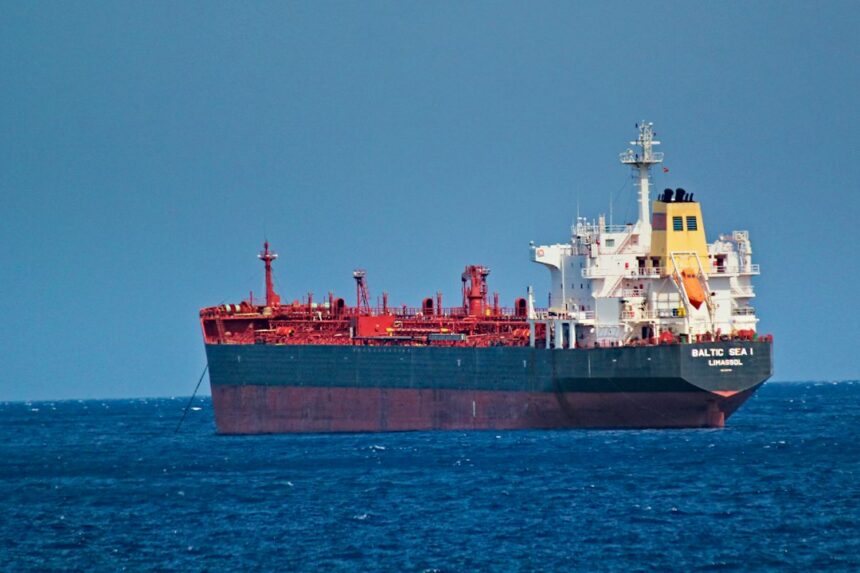
As of late October, four tankers have successfully departed from Baltic ports carrying diesel, indicating that despite the export ban, some throughput is being maintained to meet international demand. This situation reflects the complex interplay between domestic fuel stability and global market pressures.
Operator Response and Market Observations
Shipping and logistical operators will be closely monitoring these developments as they could lead to fluctuations in diesel pricing and availability in international markets. The dual aspects of a stringent export ban alongside selective exemptions create an unpredictable environment for operators relying on stable fuel supplies.
Behind the Headline
The extension of the diesel export ban by Russia underscores the ongoing instability in the region and its implications for global maritime logistics. Operators must navigate this complex landscape as they assess supply chain risks and potential price changes in fuel markets. Moving forward, the focus will be on how effectively the exemptions are implemented and whether geopolitical developments result in further disruptions in diesel supply or changes in international trade dynamics.