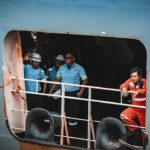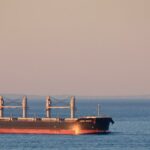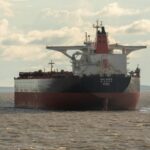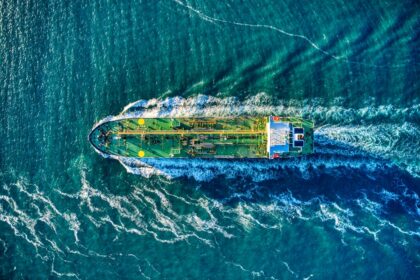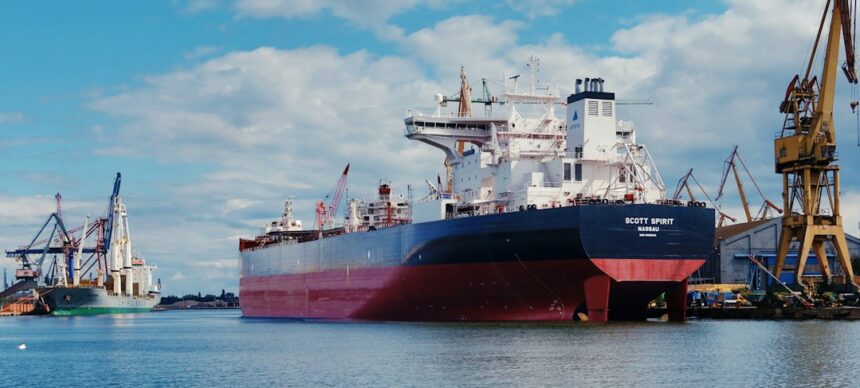
On October 30, maritime sources reported that a Panama-flagged tanker, identified as the Louise 1, was struck by limpet mines in the Strait of Hormuz, resulting in a fire in its engine room. Fortunately, all crew members were unharmed, and the fire was quickly extinguished. The UK Maritime Trade Operations (UKMTO) confirmed that the vessel was en route to its next port of call following the incident.
The attack occurred on Thursday, approximately 25 nautical miles northeast of Oman’s Khasab. This incident marks the first successful detonation of limpet mines in the waterway since the escalation of tensions between the US and Iran began in February. Current assessments have not ascribed responsibility for the attack, but the pattern of surrounding incidents raises significant concerns for maritime security.
Significance of the Attack
The incident comes at a time of heightened risk for commercial shipping in one of the world’s most vital oil transit chokepoints. The Strait of Hormuz has seen sporadic assaults on vessels since the onset of US-Iran hostilities. Iranian forces have previously targeted ships they accused of breaching its navigation restrictions, aiming to establish increased control over the strait while exerting pressure on Washington.

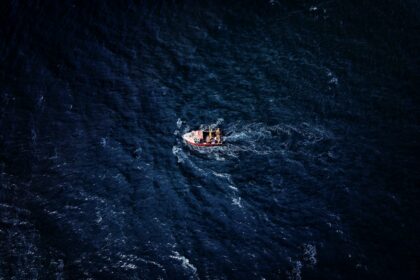
Maritime risk management firm Marisks highlights the threat posed by such attacks, stating that the method of a small boat deploying explosive devices on tankers presents a significant risk in the strait’s heavily trafficked lanes. Limpet mines have been utilized in the region since 2017 and, according to Marisks, are readily available and low-cost, making their use particularly appealing for non-state actors and others looking to disrupt maritime commerce.
Previous Incidents
The Louise 1, earlier in July, came under fire from Ukrainian naval drones for its alleged involvement in transporting Russian oil, further complicating its operational profile. The quick transition from its involvement in the Black Sea to this latest incident in the Strait of Hormuz underscores the current geopolitical fragmentation impacting shipping routes.
Efforts to maintain robust maritime security protocols will be essential for operators navigating the Strait of Hormuz. Increased vigilance is necessary to mitigate risks posed by emerging threats such as those exemplified by this attack.
The Operational Read
This incident underscores the evolving risks in maritime operations within the Strait of Hormuz, a critical artery for global oil trade. The successful deployment of limpet mines indicates a capacity among non-state actors to disrupt shipping with low-tech methods, posing an immediate risk to vessels in transit. Operators must reassess risk profiles and enhance security measures while navigating these waters. Increased naval presence and response capabilities may be warranted to deter further threats and ensure safe passage through this strategic chokepoint.