Update 30 Oct 2026, 10:33 UTC:
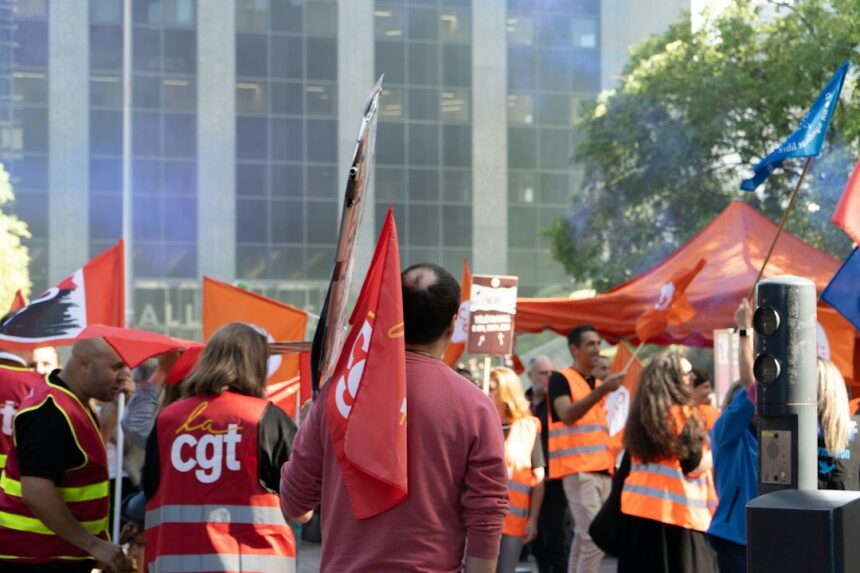
Today marks a historic moment in labor solidarity as dockworkers from more than 25 unions have initiated coordinated strikes and demonstrations across 113 ports in 22 countries and territories. This action, organized under the banner ‘Dockworkers do not work for war’, reflects growing concerns among maritime labor about the impact of military conflicts on trade and operations.
The Mobilization
This unprecedented mobilization showcases a significant expansion from earlier efforts, which involved just 20 ports across seven nations. Dockworkers are demanding a cessation of military conflicts that disrupt their work and jeopardize safe maritime operations.

Key ports affected include major terminals in Europe, Asia, and the Americas, with unions highlighting the need for peaceful resolutions rather than involvement in military engagements. This widespread action is seen as a critical stance on the role of labor in times of conflict, as workers unite to voice their concerns about the implications of war on global supply chains.
Impact on Operations
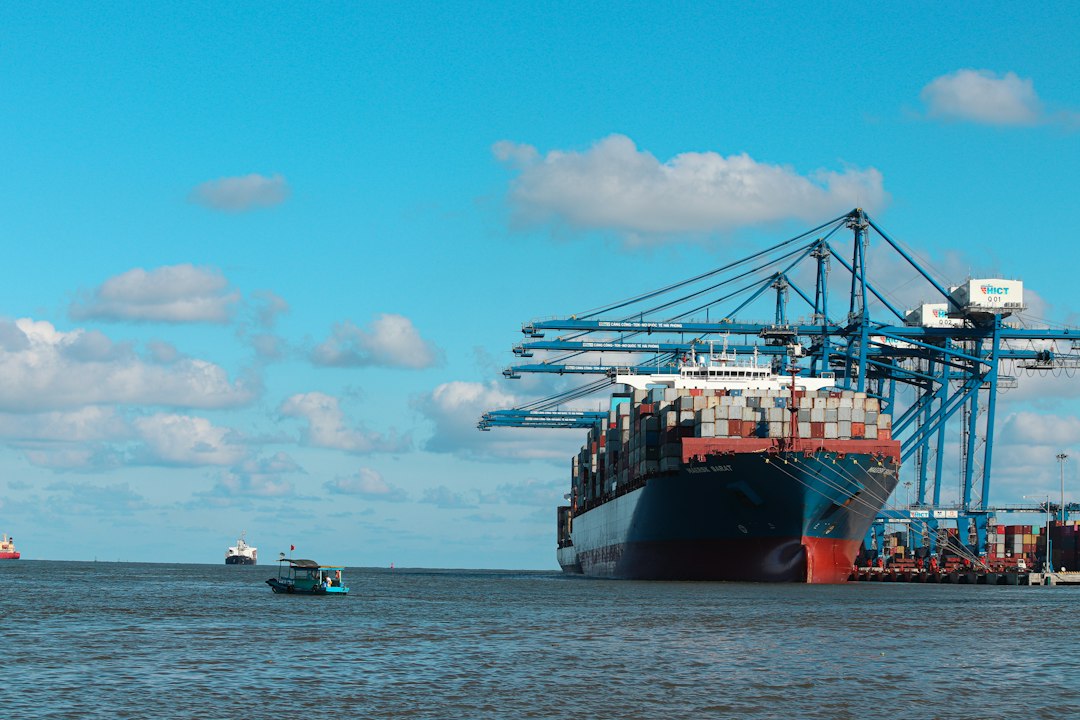
The strike actions are anticipated to significantly impact logistics and shipping operations as major ports face disruptions. Terminal operators may experience delays in cargo handling operations due to reduced workforce availability, subsequently affecting supply chain timelines. The strikes also raise questions about potential demurrage charges for vessels unable to load or discharge cargo as planned.
Moreover, the involvements of dockworkers in this global protest signal an escalating trend of labor activism centered around geopolitical issues. The long-term effects could shape labor negotiations in the maritime sector, as unions may push for greater protections and policies to mitigate the impacts of conflicts on their work environments and economic stability.
Industry Responses
Shipping companies and port authorities are urged to monitor the situation closely, as many have contingency plans in place to mitigate disruptions. As labor movements gain momentum, it is essential for operators and charterers to assess risks associated with ports experiencing labor strikes. Establishing open lines of communication with unions may also prove beneficial to navigate these challenges.
Behind the Headline
This coordinated action illustrates the profound connection between labor rights and global peace, particularly in the maritime sector. Operators and crews may face increased operational challenges as a result of these strikes, potentially leading to delayed voyages and heightened logistics costs. The broader market may need to adjust to potential supply gaps resulting from ongoing protests, emphasizing the importance of strategic planning amid evolving labor conditions. Stakeholders should closely watch developments as this movement could influence labor negotiations and operational protocols in the future.