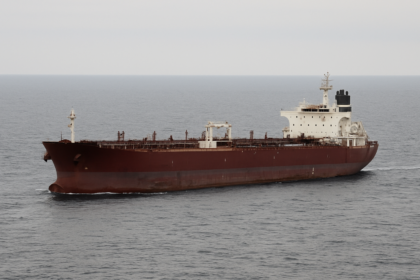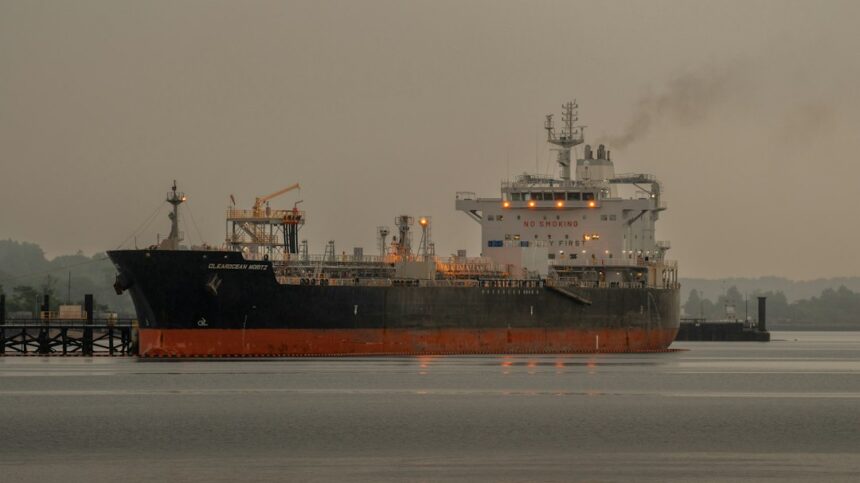
An oil spill off the coast of the United Arab Emirates has expanded significantly, following an incident involving the tanker Gem No.2. Satellite images from the European Union’s Copernicus satellite observation network, dated October 24, indicate the spill has progressed close to the shores of Umm Al Quwain, with dark layers of oil now visible at sea and along the coastline.
The Incident
Environmental authorities are responding to the spill, which has led to the closure of numerous beaches in the area. The UAE’s Ministry of Climate Change and Environment announced measures to restrict access to coastal regions, with Umm Al Quwain’s beaches closed and precautionary measures implemented in neighboring Sharjah and Ras Al Khaimah.
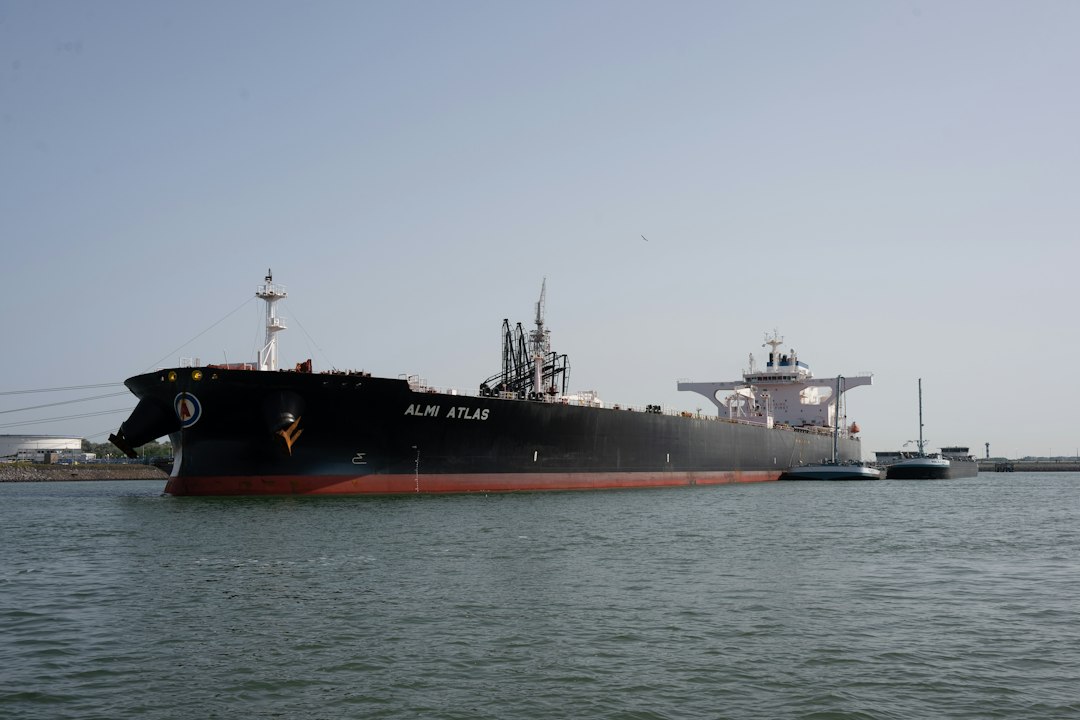
The tanker Gem No.2 was reportedly struck by an unidentified projectile last month, resulting in a fire that was later extinguished. Though the root cause of the current spill remains unconfirmed, experts speculate it is linked to this prior incident.

Environmental and Economic Consequences
The environmental implications of the spill are profound, considering the UAE’s marine ecosystem, which hosts over 500 species of fish, along with vital plant and coral life. Authorities are conducting environmental assessments to evaluate the full extent of the damage. Experts have voiced concerns about the potential long-term impact on local biodiversity and tourism, particularly in regions known for their beaches and luxury resorts.
October has emerged as a challenging month for Gulf shipping lanes, with a notable increase in attacks on commercial vessels. This trend exacerbates security risks for maritime traffic and raises alarms regarding the broader implications of such incidents on regional stability.
The Operational Read
The operational realities surrounding the spill underscore growing vulnerabilities for shipping operators in the Gulf. The combination of heightened security threats and environmental risks necessitates adaptable contingency plans for vessel movements in the region. Operators should monitor the situation closely for regulatory updates, particularly any directives from local authorities that may affect navigation or access to harbors. Furthermore, with rising tensions in the area, the incident highlights the need for robust cybersecurity measures on commercial vessels, as well as a reevaluation of risk assessments and insurance premiums by charterers and operators engaged in maritime operations in the Strait of Hormuz and adjacent waters.