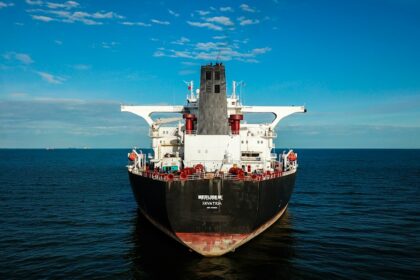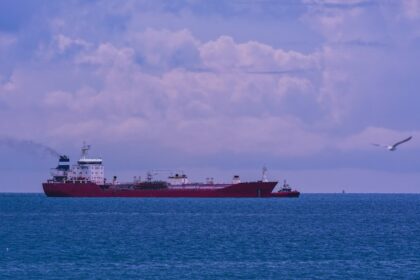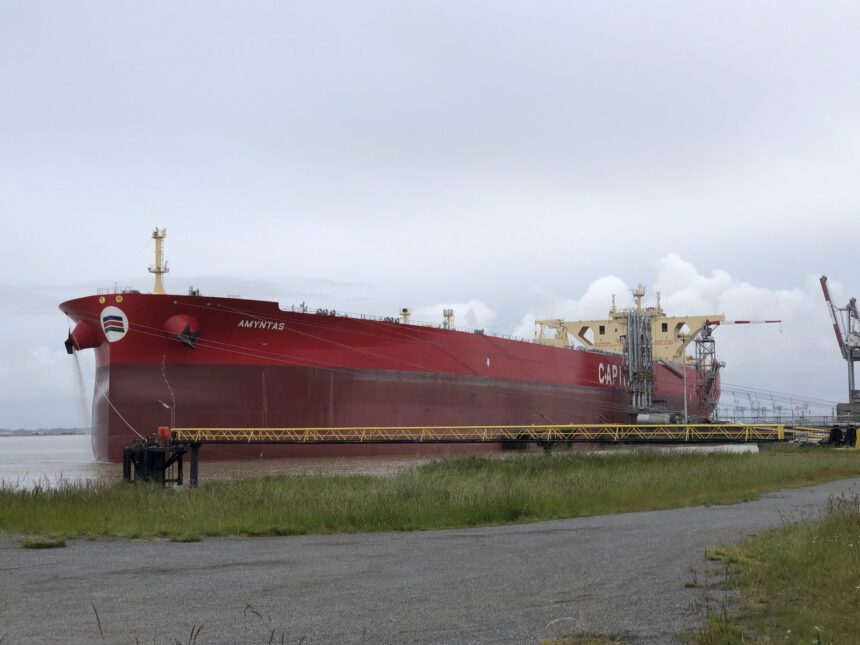
The very large crude carrier (VLCC) sector is on the cusp of experiencing a significant delivery wave, with projections indicating that more than 100 new supertankers will commence operations annually in both 2028 and 2029. According to a recent forecast by Hartland Shipping Services, this surge mirrors the peak levels of the supertanker boom that took place in the 1970s, suggesting a major shift in the shipping landscape.
The Delivery Surge
Historically, the VLCC fleet has seen substantial growth during times of heightened demand for crude oil. The anticipated influx of more than 100 new vessels each year is indicative of a rebound in shipping activity following recent market fluctuations. BIMCO’s records note that the peak of VLCC deliveries reached 116 vessels in a single year, emphasizing the scale of the upcoming wave.
Market Implications
This influx occurs amidst varying demand for crude oil, propelled by global economic activities and investment in shipping infrastructure. As newly built vessels enter the market, the implications for freight rates, capacity management, and operational strategies become critical points of focus for fleet operators and charterers alike. Notably, an increase in VLCC supply could lead to tighter margins for operators unless offset by corresponding demand growth.


Strategic Considerations for Operators
With the impending delivery of these vessels, industry stakeholders will need to carefully assess fleet deployment strategies, chartering options, and potential market oversupply scenarios. A coordinated approach to market entry, as well as proactive engagement with charter parties, may help mitigate risks associated with heightened competition in the crude tanker sector.
Behind the Headline
This remarkable surge in VLCC deliveries highlights not only the revival of order books but also the potential challenges operators may face in maintaining freight rates amid increasing supply. The upcoming years will be critical in determining how effectively the market can absorb this new capacity, especially given the global energy transitions underway. Operators must remain agile, leveraging their fleet’s operational capabilities to respond to changing demand while managing costs associated with increased competition. Attention will need to be paid to regulatory changes and environmental considerations as the fleet modernizes.