On October 25, Sri Lanka coordinated the rescue of 40 Iranian sailors from multiple commercial vessels operating in international waters. The operation took place off the southern coast, with the sailors brought ashore at Galle Harbour, approximately 126 kilometers from the capital Colombo. A spokesman for Sri Lanka’s foreign ministry confirmed the involvement of humanitarian grounds due to unspecified medical emergencies affecting the crew members.
The Incident
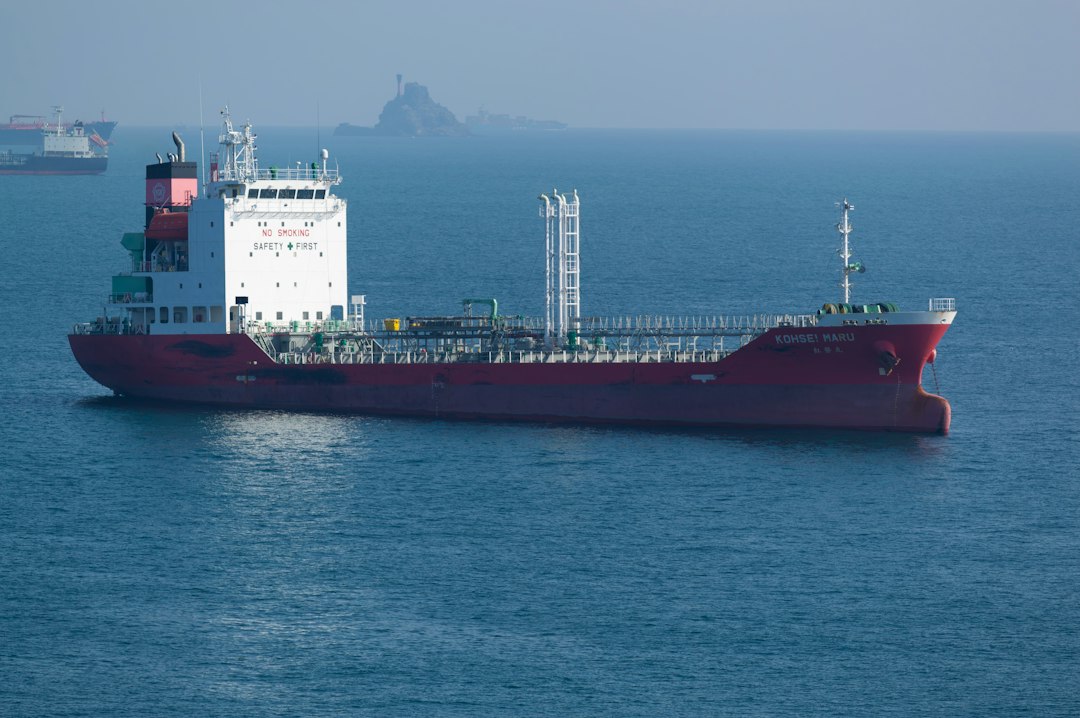
The request for assistance originated from the Iranian embassy, which reached out via diplomatic channels. Although the foreign ministry did not delve into the specifics of the sailors’ medical conditions, local reports indicate they were aboard vessels linked to U.S.-sanctioned oil tankers. This context underscores the tension surrounding Iranian shipping in light of ongoing sanctions imposed by Washington, which include blockades affecting Iranian maritime operations.
Previous Rescues
This incident is not isolated; it follows earlier rescue efforts by Sri Lankan authorities involving Iranian sailors. In March, following the sinking of the Iranian warship IRIS Dena by a U.S. torpedo, over 80 sailors lost their lives. Many survivors and crew members were later repatriated to Iran. The consistent thread of humanitarian assistance from Sri Lanka highlights the island nation’s role in regional maritime safety and emergency response.


Market Impact
The rescue of Iranian sailors raises key questions for shipping operators managing vessels that may inadvertently become embroiled in geopolitical conflicts. Operators must navigate the fine line between compliance with international sanctions and the humanitarian obligations that may arise in emergencies. As political dynamics shift, the profitability and viability of routes involving Iranian vessels will require reassessment within the broader market strategy.
The Operational Read
The recent rescue operation illustrates the intertwined nature of humanitarian considerations and geopolitical tensions impacting maritime operations. For shipowners and operators, the presence of U.S. sanctions complicates not only compliance but also operational logistics, ensuring readiness for potential emergencies aboard sanctioned vessels. As humanitarian missions gain attention, close monitoring of naval and shipping routes in sanction-affected areas will be crucial. The interaction between international relations and shipping logistics continues to evolve, necessitating agile strategies to address both operational realities and compliance with international norms.