

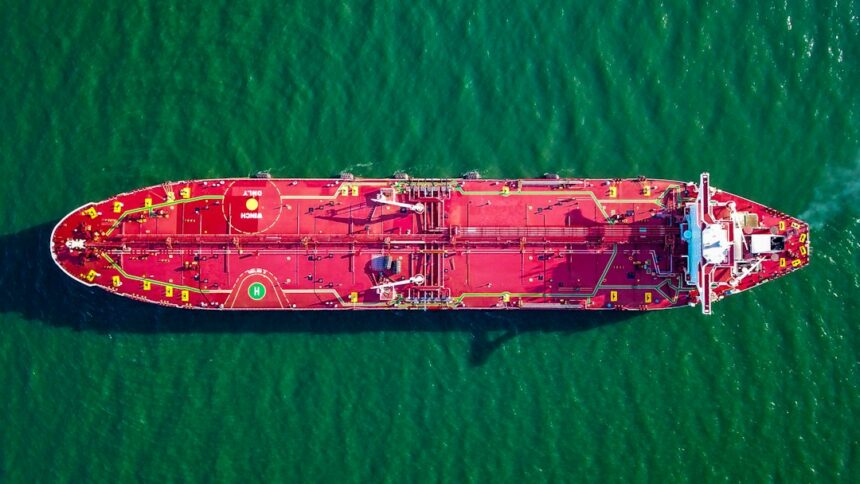
Global average crude freight rates have skyrocketed over $20 per barrel, a dramatic increase from just $3 per barrel a year prior, according to analysis from Goldman Sachs released on Wednesday. The initial surge originated from the very large crude carrier (VLCC) segment, particularly affecting Middle Eastern routes before extending its reach across all major crude trading routes, especially impacting long-haul voyages.
Drivers of the Surge
Goldman Sachs identified five main factors contributing to this year-over-year increase. First, a war risk premium in the Hormuz Strait, which is pivotal for global oil transit, adds approximately $7 per barrel, accounting for nearly one-third of the overall rise. Additionally, ship-to-ship transfers conducted outside the Persian Gulf lengthen tanker utilization time, adding another $4 per barrel to freight costs.
Moreover, higher prices for maritime fuel contribute an additional $4 per barrel, while inefficiencies in tanker allocation and increased tanker redirections account for approximately $3 per barrel. Lastly, the blockage of the Iranian fleet boosts demand for non-sanctioned crude tankers, directly impacting freight by adding $2 per barrel.


Market Dynamics and Implications
Although global freight rates have seen a slight decline in recent days, attributed to a potential easing of the war risk premium, rates remain approximately seven times higher than last year. Goldman Sachs anticipates that the underlying factors supporting these elevated rates will persist as the conflict in the Middle East continues.
These high freight costs could influence refiners’ demand dynamics, potentially shifting their sourcing strategies towards more local crude suppliers to mitigate exposure to elevated shipping costs. A significant aspect to note is that most traded crude benchmarks are priced on a free-on-board basis, typically excluding transportation costs. Consequently, the widening crude price differentials due to high freight rates could change trading patterns, while simultaneously supporting refined product prices. In contrast, refiners relying on distant crude suppliers may face pressure to offer heavier discounts to maintain demand, ultimately challenging their profit margins.
Behind the Headline
The significant rise in crude freight rates exemplifies the intricacies of maritime logistics and geopolitical influences on shipping operations. Freight rates impact not only exporters and shipping companies but also refiners who must navigate increased transportation costs. This situation presents a delicate balancing act for refiners, who must either absorb higher costs or adjust their pricing structures—which could affect consumer markets. Operators and charterers should remain vigilant about ongoing Middle Eastern tensions and their implications for freight rates and crude trading dynamics. Watching how stakeholders adapt to these developments will be critical in the upcoming months.