

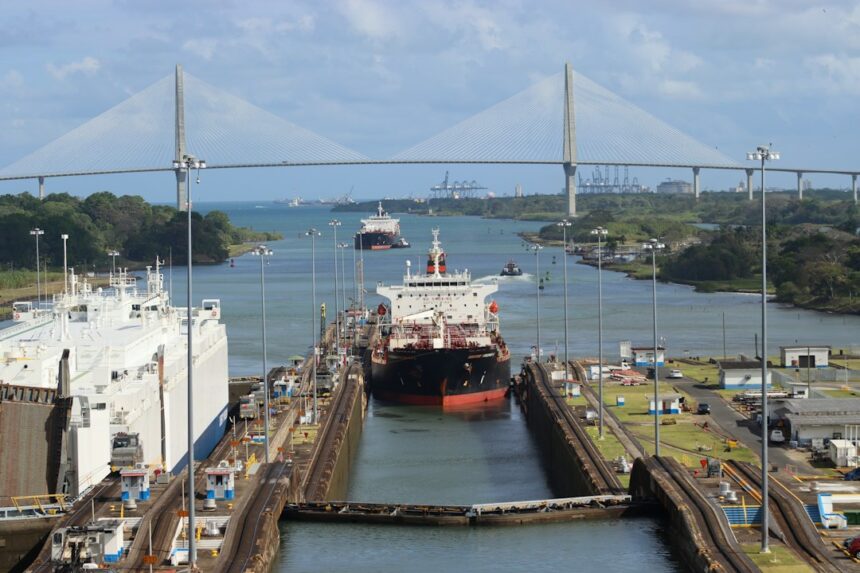
The Panama Canal has reported notable growth in both vessel traffic and revenue for the fiscal year 2026, despite challenges posed by El Niño-related water availability. According to data released by the Panama Canal Authority, the canal facilitated 13,951 transits during the fiscal year ending September 30, marking a 4.1% increase from 13,404 transits in the prior fiscal year.
Traffic and Tonnage Growth
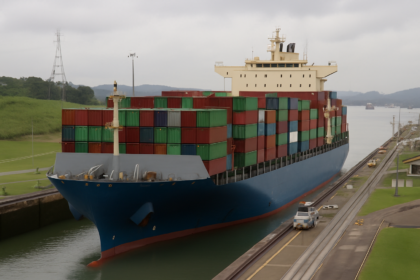
Total tonnage passing through the canal increased significantly, reaching 521 million Panama Canal Universal Measurement System (PC/UMS) tons, which represents a 6.5% rise from the 489.2 million tons recorded in fiscal 2025. A substantial portion of the growth was driven by the operations of larger vessels, particularly those utilizing the Neopanamax locks, which accounted for 52.2% of the total tonnage. Volumes transiting these locks increased by 8.2% year-over-year, reflecting a shift in shipping demands towards larger container and energy carriers.
Revenue and Financial Performance
Financially, the Panama Canal reported a total revenue of approximately $6.6 billion, a 16.6% increase compared to the previous fiscal year. Although these financial figures are unaudited, they indicate a strong rebound in shipping activity. Panama Canal Administrator Ilya Espino de Marotta emphasized that the canal continues to provide a reliable and safe route for international maritime trade, even as it navigates the operational challenges presented by climate patterns.

Operational Adjustments and Future Investments
In response to improving watershed conditions, the canal has reinstated its Last-Minute Reservation service for vessels passing through the Panamax locks, allowing ships without prior reservations to secure transit slots. This restart reflects recent rainfall trends that have approached average levels, enabling better water conservation practices. The canal has increased its daily booking capacity to 33 slots, which includes 10 slots for Neopanamax vessels, effective October 15. However, the authority remains vigilant regarding potential water deficits, fearing that intensified El Niño conditions could require further operational adjustments.
In addition to managing day-to-day operations, executives discussed long-term infrastructure investments aimed at enhancing resilience against water shortages. Specifically, the proposed Río Indio Lake Project is a critical component of the canal’s broader Vision 2025–2035 development strategy, focusing on ensuring a sustainable freshwater supply for the future.
Behind the Headline
The Panama Canal’s ability to attract increased shipping traffic despite environmental challenges underscores its strategic importance in global maritime logistics. For operators, the combination of rising vessel traffic and robust economic performance signals a growing recovery in international trade following recent disruptions. However, the ongoing imperative for water management cannot be overlooked. Future operational strategies will need to adapt quickly to weather fluctuations while balancing the needs of an evolving global shipping landscape. Stakeholders should monitor the impacts of water conservation measures and progress on infrastructure projects to gauge the canal’s long-term viability and competitiveness.