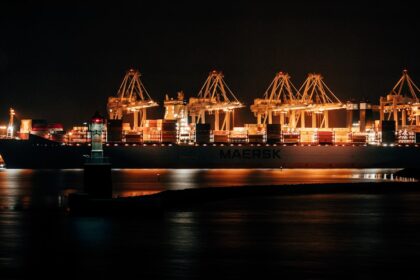



A.P. Moller-Maersk A/S, ranked as the world’s second-largest container carrier, has formalized an agreement with Vietnamese conglomerate Hateco to develop a rail freight terminal network in Vietnam. The memorandum of understanding (MoU) was signed during a visit by Vietnamese President To Lam to Denmark, marking a significant step towards enhancing the country’s logistics infrastructure.
The Project Overview
The proposed railway network will encompass a freight terminal located in Haiphong, alongside three additional container facilities spread across northern provinces. This initiative, with an estimated total investment of $3.5 billion, aims to seamlessly connect industrial parks, logistics hubs, and production zones to major transport infrastructures. Such developments are positioned to alleviate road congestion while broadening avenues for cross-border shipments.
Strategic Importance
The collaborative project is part of broader efforts by Vietnam to enhance its transport framework, aligning with multiyear economic growth targets projected in double digits. As the country seeks to attract further foreign investment and advanced technology, establishing a robust rail network is seen as critical. The Vietnamese government has previously outlined significant investments into transport and logistics to sustain this growth trajectory.

Previous Collaborations
Maersk and Hateco have previously partnered on a $400 million container port project in Haiphong, which sets a precedent for successful collaboration in the region. Future expansions may include the Lien Chieu container terminal port in Danang, reflecting Maersk’s commitment to strengthening its presence in Vietnam.
Behind the Headline
The partnership between A.P. Moller-Maersk and Hateco highlights a strategic move towards enhancing Vietnam’s logistics capabilities in light of burgeoning trade demands. By focusing on rail infrastructure, the initiative addresses operational challenges related to road congestion and enhances connectivity across the supply chain. For shipping operators, this development signals a likely increase in efficiency and reduced transit times, particularly for cross-border logistics. Monitoring the project’s stages will be essential, as successful implementation could serve as a benchmark for future infrastructure endeavors in the region.